A tale of two economies: Why IKEA’s strategy is the antidote to the middle-class margin collapse
As America’s middle class faces shrinking purchasing power, IKEA offers a counterintuitive corporate playbook: cut prices, localize supply chains, invest in energy and retrain workers to build durable demand.
In the current U.S. economy, there are two distinct realities. The top 20% of households control approximately 60% of all consumer spending, benefiting from rising asset values. However, the middle class is facing a severe structural margin collapse, with a negative wage-price spread of 0.20 points in July, indicating a 115% margin collapse compared to pre-war levels.
Households are increasingly relying on leverage, such as Buy Now, Pay Later (BNPL) payments, to cover essential expenses. U.S. corporations and policymakers are responding to this situation by protecting the margins of the top earners while leaving the purchasing power of the middle class constrained.
To envision a resilient economy in 2026, U.S. executives should look beyond conventional strategies and observe a Swedish furniture retailer: IKEA. While many companies are shifting their focus towards affluent consumers, IKEA is optimizing for the middle class and beyond. IKEA CEO Juvencio Maeztu emphasizes that their key performance indicator (KPI) is the number of homes they are present in, rather than just revenue. This strategy involves four structural pillars:
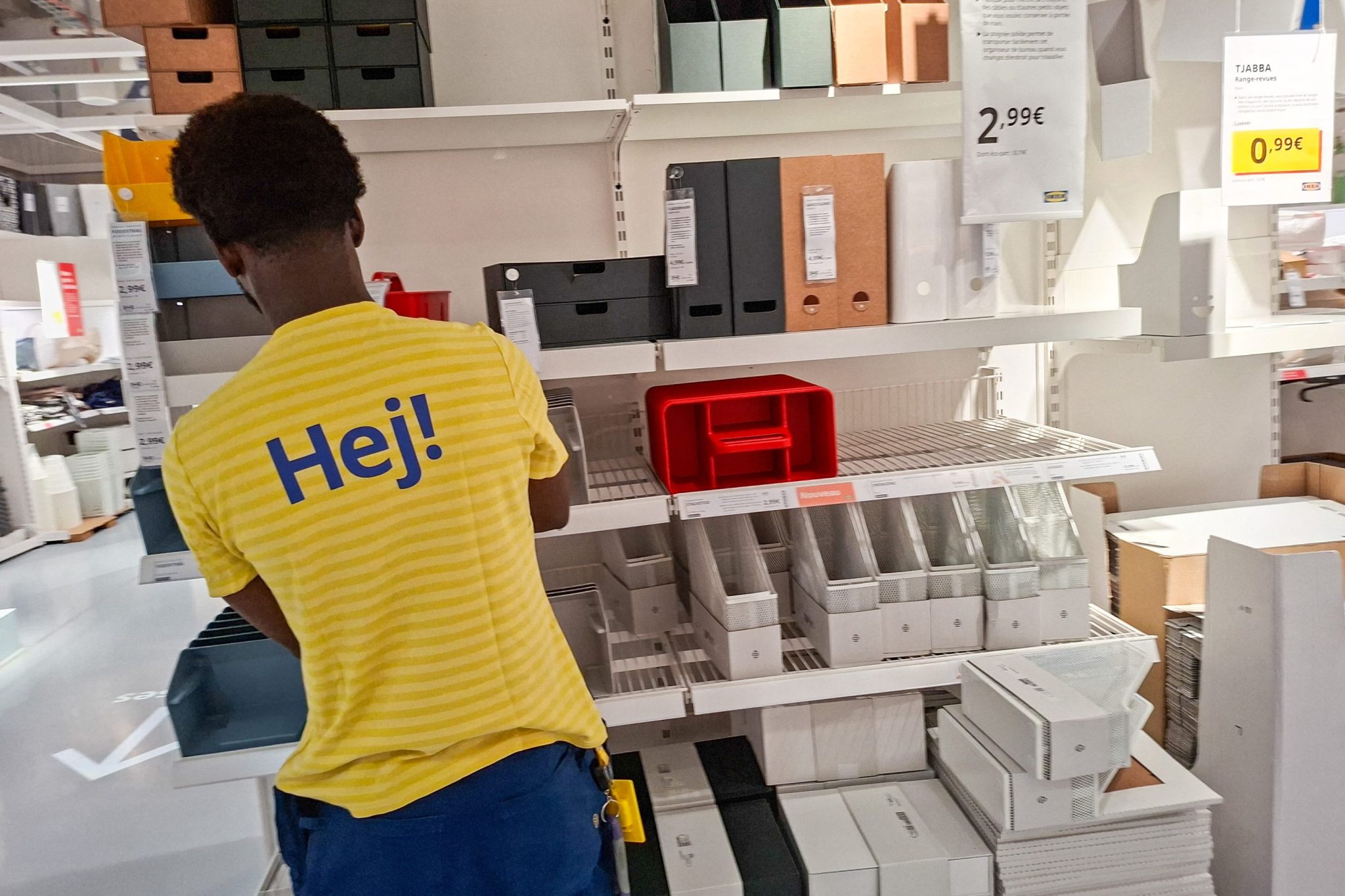
1. Deflationary Pricing: IKEA implemented price cuts to capture volume from consumers with limited purchasing power. Despite a 0.9% revenue drop in fiscal year 2025, store visits increased to 736 million, and operating income rose by 16.8%.
2. Supply Chain Sovereignty: To protect against global logistics disruptions, IKEA invested in an automated plant in North Carolina, reducing exposure to maritime chokepoints and tariffs.
3. Energy as a Fixed Asset: IKEA committed €7.5 billion to renewable energy sources by 2030, owning 49 wind farms and 26 solar parks. This strategy reduces their dependence on volatile energy costs and shields their supply chain from global price shocks.
4. Human Capital Reinvestment: IKEA automated customer service with an AI bot called Billie, while retraining 8,500 employees for more complex roles. This approach improved remote sales centers, generating €1.25 billion in revenue, and increased customer satisfaction from 60% to 89%.
IKEA's approach demonstrates that optimizing for the many can create a durable moat for the economy in the future.
Written by urgent.news from Fortune's reporting — not their text. Machine-written — may contain errors; check the original before relying on it.