A dozen ingredients show India's mounting food inflation risk
India’s everyday thali is getting costlier as weak monsoon rains, the Iran and Ukraine wars and rising demand for crops used in biofuels push up food prices. Onions are nearly 50% more expensive than a year ago and ginger has surged over 70%, adding pressure on households just as the festive season begins.
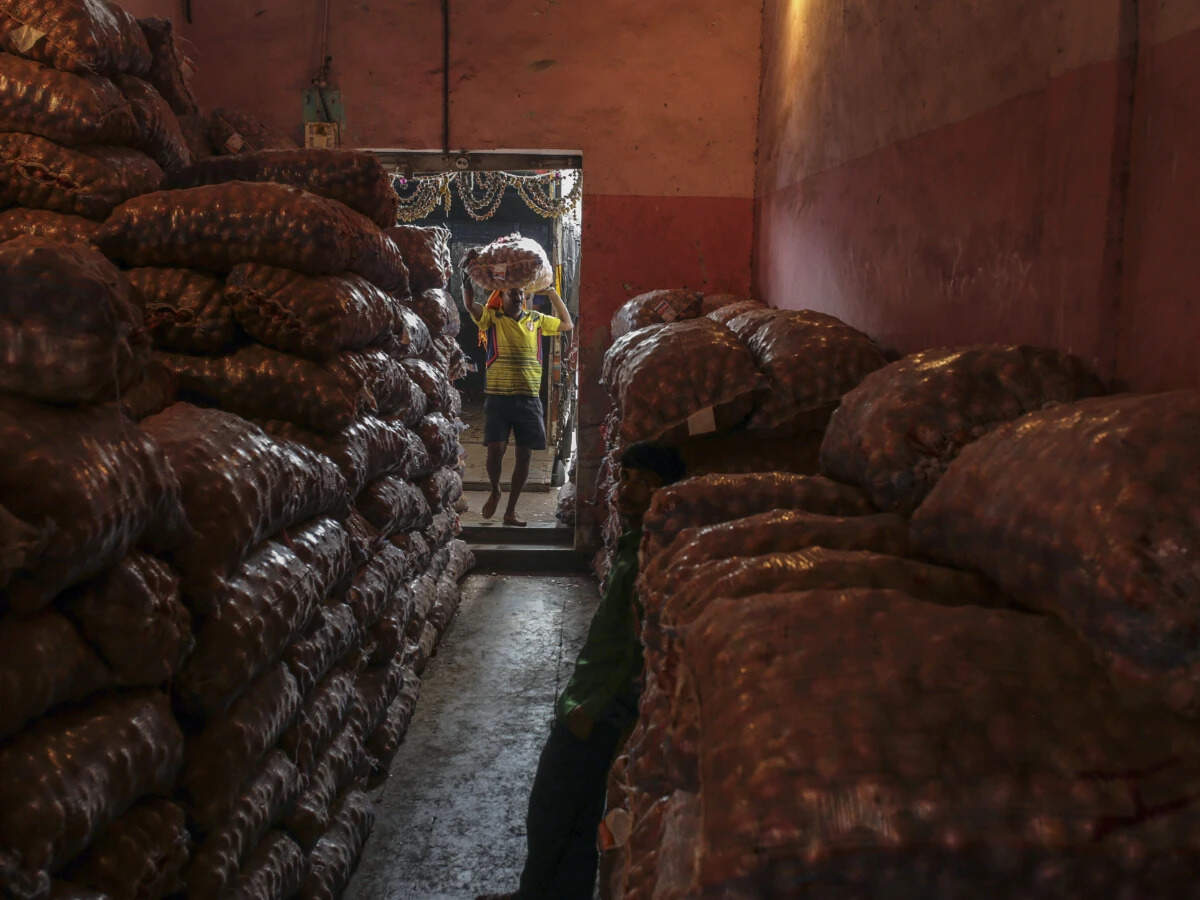
India's food prices are surging, driven by a range of factors, with onions leading the charge. The price of this key ingredient has surged nearly 50% compared to a year ago, while vegetable oil, used for frying street snacks, and ginger, a crucial flavoring agent, have also witnessed steep price hikes over 70%. Several factors are contributing to this surge, including a weaker than usual monsoon season, which has left farms parched, and a government push to boost biofuel production, diverting grain supply. Global conflicts in Iran and Ukraine have also added to the pressure on crop and fuel prices.
Food costs now account for nearly half of monthly spending for some rural families and around 40% in cities. This makes it a key driver of the country's inflation, with the broader rate nearing the top of the central bank's target range. The monsoon rains, which ended this month, have been below average, with precipitation running 15% below normal. This shortfall, linked to the El Niño weather phenomenon, could further depress the harvest outlook for crops such as rice, corn, soybeans, and sugar cane.
The government has had to make unusual moves to counter the shortfall, like allowing duty-free sugar imports. This has jolted domestic sugar prices, prompting the government to allow some duty-free sugar imports. The situation is expected to worsen as the country braces for the festive season, which sees a sharp rise in food consumption, particularly sweets and fried foods. Higher food prices could force central banks to reconsider interest rates, as they aim to control headline consumer price inflation.
Written by urgent.news from The Economic Times - Economy's reporting — not their text. Machine-written — may contain errors; check the original before relying on it.