Wild dogs record 2,500-mile trek across Africa in search of a mate
A pack of African wild dogs has completed a record-breaking 2,485-mile (4000km) journey across the continent. Scientists say it is the furthest recorded distance for any African land mammal searching for a mate, offering hope that wildlife can travel across vast distances despite growing human pressures. The three brothers zigzagged across Zambia, navigating a landscape [...] The post Wild dogs…
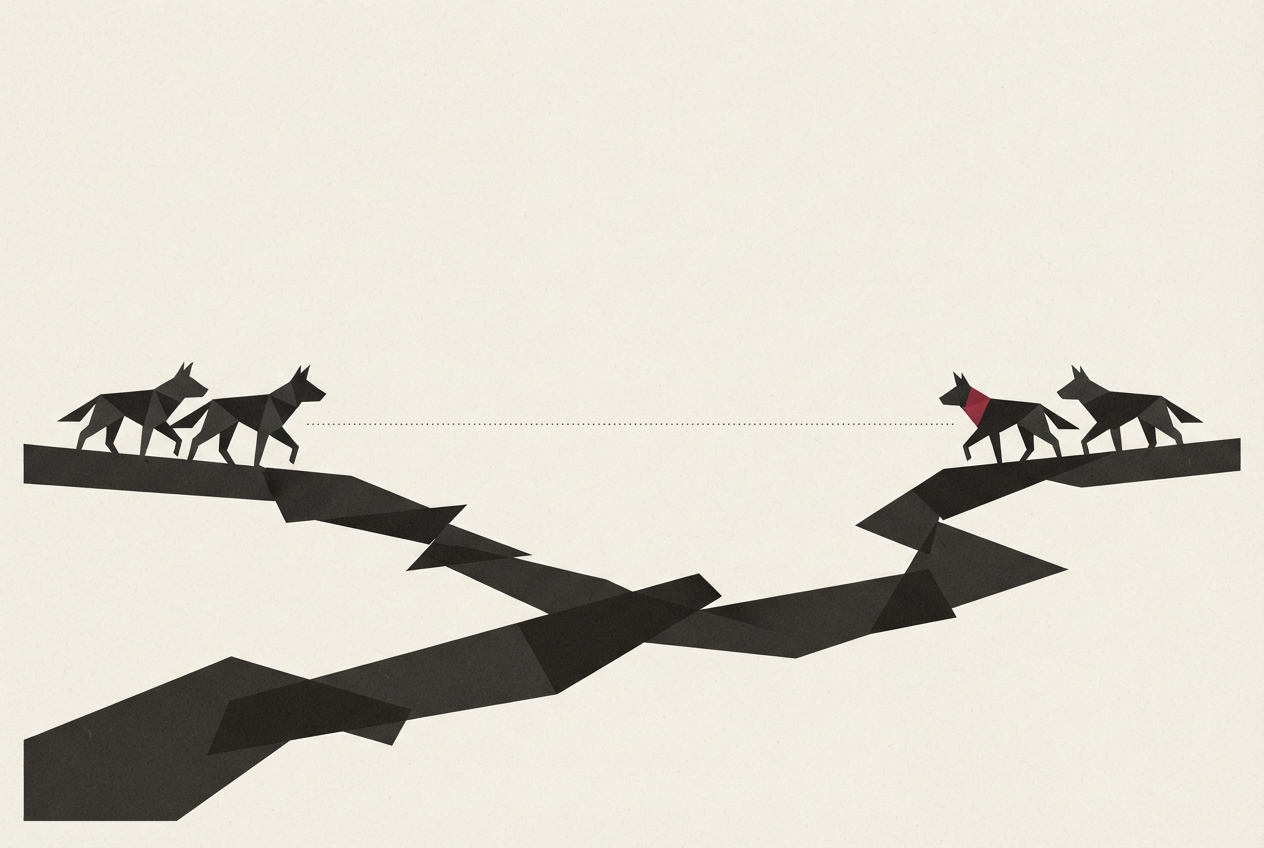
African wild dogs have embarked on an extraordinary 2,485-mile journey across Africa, marking the longest known trek by a land mammal searching for a mate. This remarkable feat, documented by scientists, offers hope for the species' survival amidst increasing human pressures. The journey began with three brothers, who zigzagged through Zambia, navigating a landscape increasingly shaped by human developments, while avoiding major cities and obstacles.
However, the journey of three sisters came to a tragic halt when one became trapped in a snare. With only around 6,000 African wild dogs remaining in the wild, these highly social predators live in packs, hunt together, and are known for their extensive roaming to find new territory and breeding opportunities with other packs. Unlike pack members who cannot breed within their birth pack, they disperse at the age of two or three to search for a mate.
The brothers covered about 260 miles in eight months but traveled nearly 10 times that overall distance, highlighting the challenges faced by these creatures in their quest for a mate. Such long journeys, known as dispersals, are distinct from the seasonal migrations of other animals like wildebeest and caribou. The study's lead author, Professor Scott Creel of Montana State University, expressed cautious optimism, suggesting that the wild dog populations across eastern and southern Africa might be more connected than previously believed.
However, the findings underscore the ongoing threats these animals face from poaching snares, highlighting the urgent need for conservation efforts to create connected landscapes outside protected areas to ensure the survival of this rare species.
Written by urgent.news from KahawaTungu's reporting — not their text. Machine-written — may contain errors; check the original before relying on it.