Why Manglish feels so unmistakably Malaysian
From coffeeshop banter to family group chats, the way we switch between words and expressions reflects a shared cultural instinct.
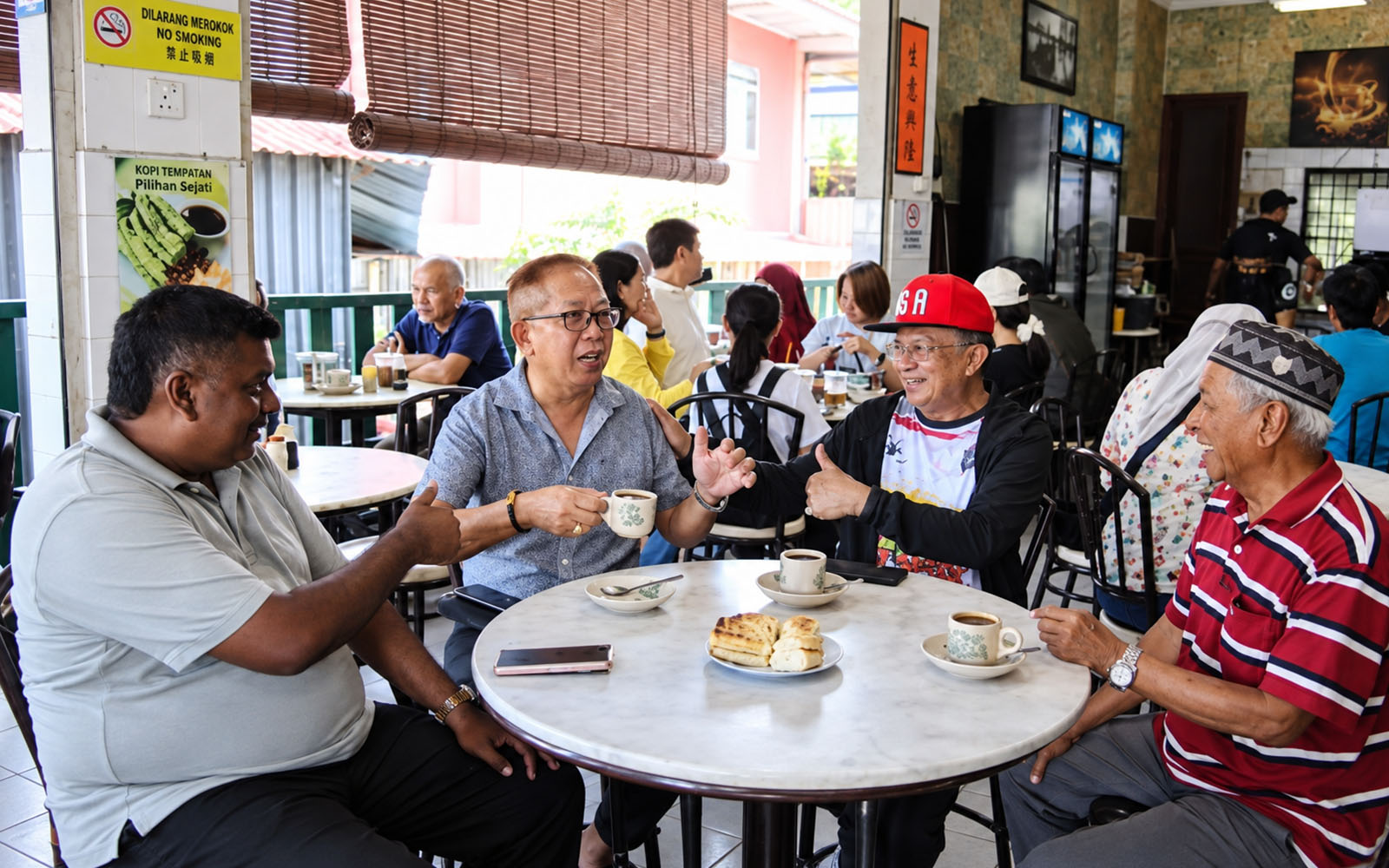
KUALA LUMPUR: Malaysians effortlessly weave multiple languages together when answering simple questions, seamlessly shifting between English, Malay, Hokkien, Tamil, and indigenous languages without hesitation. This linguistic fluidity, known as Manglish, is a defining characteristic of Malaysian life, according to writer and cultural heritage advocate Lee Su Kim.
Lee emphasizes that this multilingualism is a natural expression of Malaysia's diverse linguistic landscape, rather than a lack of proficiency in English. Once confined to coffee shops, workplaces, and family conversations, Manglish has now permeated various forms of modern communication, including memes, group chats, and social media platforms.
Its appeal lies in its ability to reflect context and convey shared experiences, as Malaysians switch languages based on their audience, emotions, and desired emphasis. Beyond the words themselves, Malaysia's linguistic tapestry includes languages like Javanese, Semai, Thai, Hokkien, and numerous indigenous languages spoken across the country.
These languages serve as vessels for memory, knowledge, and cultural heritage, making multilingualism essential for preserving unique ways of thinking and speaking. Academic Stephen J Hall underscores that multilingualism is not a weakness but a strength, enabling Malaysians to navigate education, work, and trade opportunities in Malaysia's increasingly interconnected global landscape.
However, Hall cautions against treating language learning as mere rote memorization, emphasizing that genuine communication requires creativity and originality. With the rise of artificial intelligence, the importance of possessing a rich linguistic repertoire becomes even more pronounced, as it can foster authentic expression and innovation.
In daily Malaysian life, multilingualism is evident in conversations, family communications, and various social settings, seamlessly coexisting with traditional English and Malay. This natural blending of languages underscores the importance of linguistic diversity in Malaysian society, allowing individuals to connect with different communities while preserving their cultural identities.
Written by urgent.news from Free Malaysia Today's reporting — not their text. Machine-written — may contain errors; check the original before relying on it.
Also reported by 1 other outlet
- Why Manglish feels so unmistakably Malaysian freemalaysiatoday.com