Why Are Bogota’s Rufous-Collared Sparrows Becoming Harder to Find?
The Rufous-collared Sparrow is one of Bogota’s most familiar birds. Known locally as the copeton, meaning roughly “the crested one,” the small brown-and-gray bird takes its Colombian name from the short crest of feathers found on the male’s head, called a copete. It lives in gardens, parks, grasslands and other open spaces across the city […]
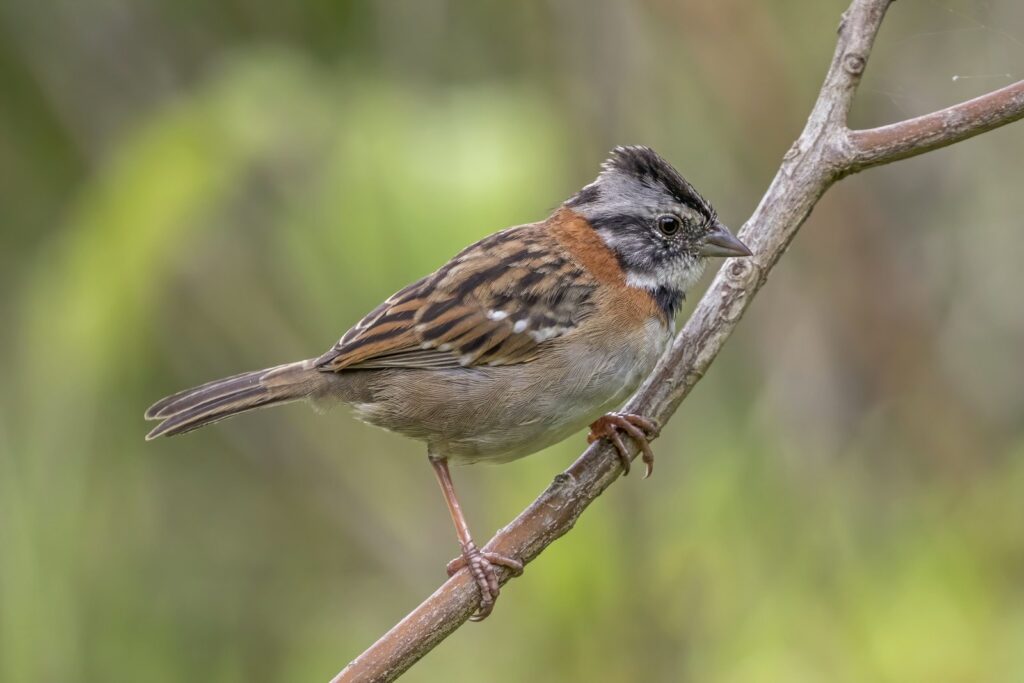
The Rufous-collared Sparrow, a familiar bird in Bogota known locally as the copeton, is gradually becoming harder to find. This small brown-and-gray bird is native to the city and surrounding Sabana de Bogota, thriving in gardens, parks, grasslands, and open spaces. However, long-term bird counts reveal a decline in the species' population in the region.
While the bird remains common and is not considered threatened nationally, the decline has been noted over the years. The reasons behind this decline are complex, involving multiple factors rather than a single environmental threat.
The Rufous-collared Sparrow extends beyond Colombia, inhabiting open or semi-open habitats across Central and South America, including grasslands, cultivated areas, gardens, and parks. Its preference for these environments has allowed it to establish a long association with Bogota. The bird is approximately 14 centimeters (5.5 inches) long and primarily feeds on seeds and insects.
Despite being classified as Least Concern globally, a decline in the copeton's population around Bogota suggests a localized issue rather than an imminent global extinction.
The decline in the copeton's numbers in Bogota followed years of relative stability, with no significant changes in population abundance between 1991 and 2009. The researchers considered various factors affecting bird populations in the region, including urbanization, vegetation and wetland changes, species interactions, and rising temperatures.
A potential explanation for the recent decline is brood parasitism by the Shiny Cowbird, which lays its eggs in the nests of other birds, leading to reduced reproduction rates for the copeton. However, observations did not support this theory, as the researchers found copetones feeding their own young rather than the fledgling cowbirds.
Another potential factor is predation by the Great Thrush, which may be preying on the copeton's nestlings and fledglings. However, predation was deemed unlikely as copeton numbers remained stable while the thrush population increased. Urban growth has also altered the habitats where the copeton feeds and nests, with pastures and agricultural areas being converted to housing, commercial buildings, and greenhouses.
This loss of suburban gardens, due to rising apartment density, has reduced green space and stressed species like the copeton. Changes to Bogota's wetlands have also impacted bird communities, with interventions sometimes creating new open-water areas or altering the habitat available to birds. Climate change adds another layer, with a temperature increase of 0.65°C at Bogota's El Dorado airport and a 2°C rise in minimum temperatures over the study period.
While climate change was not presented as the sole explanation for the copeton's decline, it was linked to many changes in the region's bird community. Despite these challenges, the copeton remains a familiar species in the capital, known as an emblematic local bird found in various habitats across Bogota.
Written by urgent.news from Colombia One's reporting — not their text. Machine-written — may contain errors; check the original before relying on it.