Who Needs Regulation When Trump Is President?
The president is turning the charge of personalism into a promise.
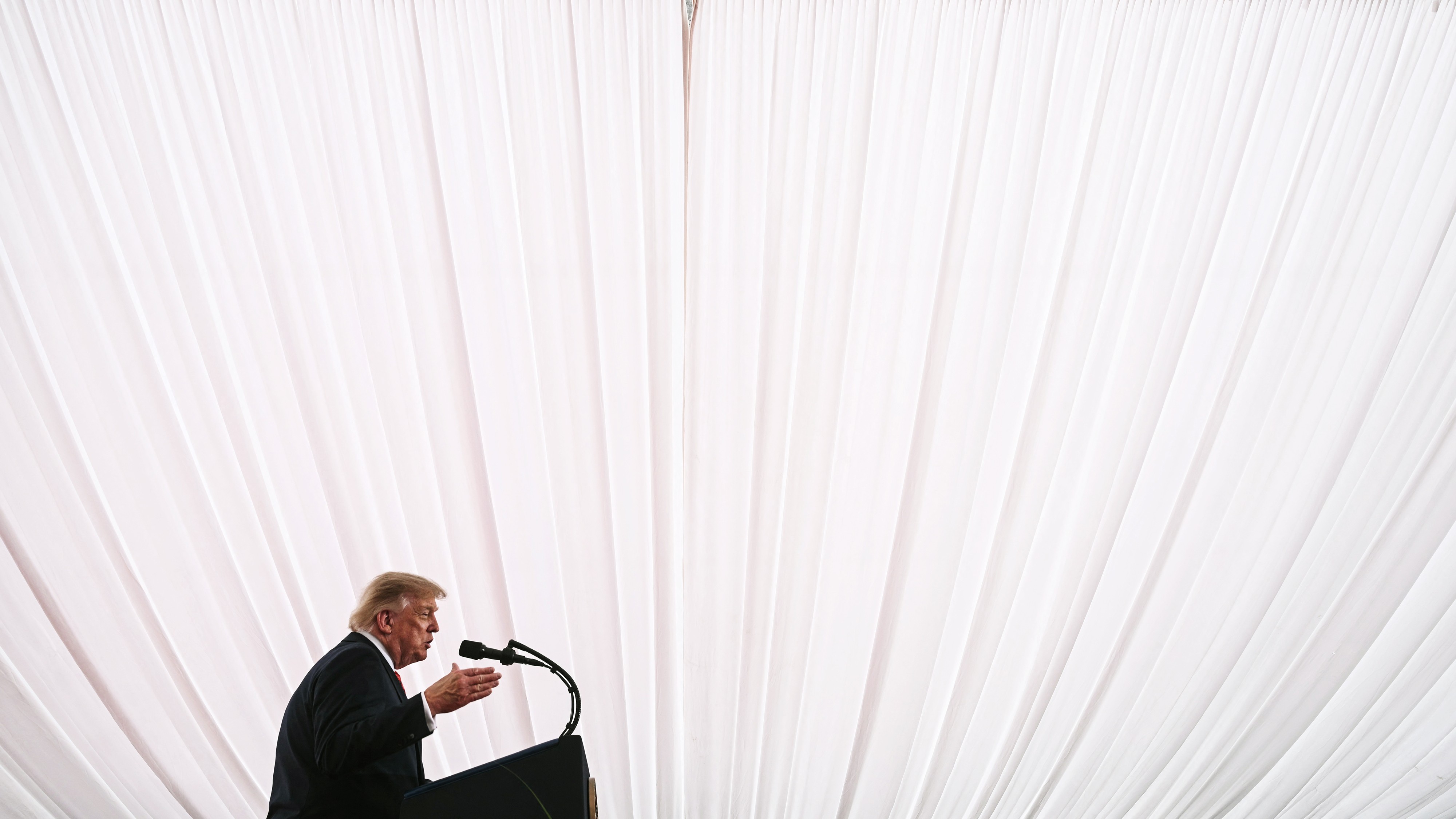
Critics argue that the Trump administration is leading with personalist rule, where the leader's choices supersede laws. President Trump has vehemently opposed regulating artificial intelligence (AI), defending his position by claiming that only a smart and strong president (presumably himself) is needed to oversee AI development.
He asserts, "The only control or 'guardrails' that AI needs is a STRONG AND SMART (High IQ!) PRESIDENT, and the U.S.A. has that, in spades!" This stance contrasts with the common belief that government intervention is required when private activities cause externalities—costs imposed on people not involved in a transaction.
AI's potential to disrupt society is a prime example of a costly externality. The intense competition among AI firms, which are incentivized to innovate swiftly rather than ensure safety, further strengthens the argument for regulation. Opponents of Trump's stance have valid concerns about poorly designed regulations that could benefit current leaders or allow Chinese AI to surpass American innovation. However, these concerns do not justify abandoning any regulations at all.
Trump's track record of bypassing laws and favoring his own prerogatives raises doubts about the efficacy of his approach to AI regulation. He has opposed congressional authorization for war with Iran and has not sought congressional approval for tariffs, instead adjusting them at his discretion. This behavior suggests a disregard for the public interest, as seen in his attempts to secure political alliances with wealthy individuals with vested interests in AI development.
The ties between Trump's key AI adviser, David Sacks, and his allies, who have funded his campaign, further exacerbate conflicts of interest.
Moreover, Trump's inclination to prioritize immediate gains over long-term considerations is evident in his policies, such as defunding scientific research, accelerating fossil-fuel emissions, and denigrating American soft power globally. This pattern suggests that pushing forward AI development could yield financial benefits for those who have supported his political endeavors.
Given Trump's apparent belief that AI development is currently driving economic growth, the short-term advantages appear more appealing than potential long-term drawbacks.
While acknowledging that a high level of analytic intelligence is necessary for effective regulation, Trump's lack of expertise in AI and technology, combined with his limited reading habits and tendency to rely on a narrow vocabulary, casts doubt on his ability to navigate complex policy issues. For the United States to maintain clear and stable regulations on AI, independent oversight is crucial—not dependent on the whims of a leader, even one with strong analytical capabilities.
Written by urgent.news from The Atlantic's reporting — not their text. Machine-written — may contain errors; check the original before relying on it.