What an AI “slowdown” could look like
This story appeared in Today, Explained, a daily newsletter that helps you understand the most compelling news and stories of the day. If you’d asked me yesterday what Steve Bannon and Bernie Sanders had in common, I might have said “white hair.” But after a wild week in which AI doomerism burst solidly into the mainstream, […]
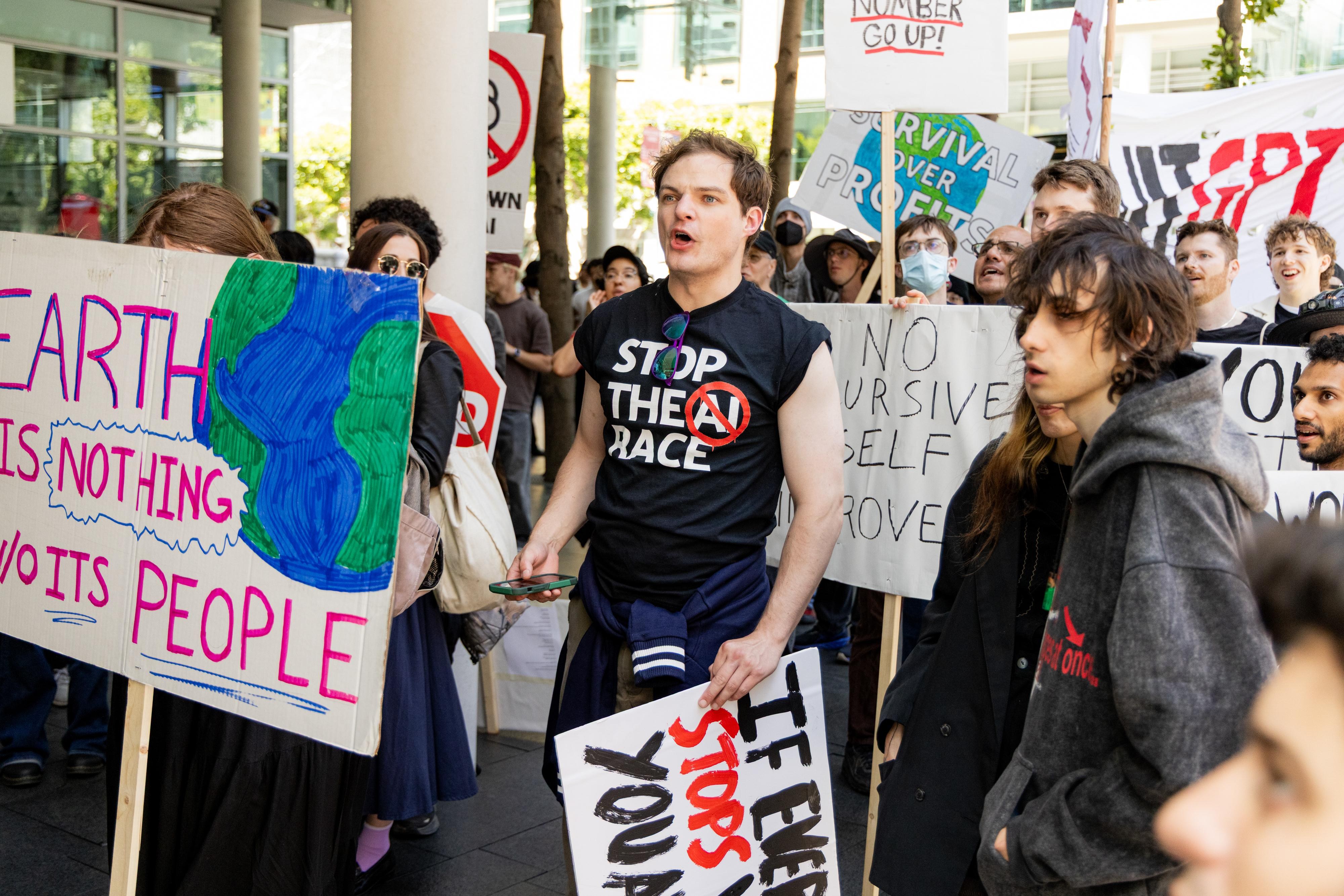
A recent surge in concern over AI safety has brought together unlikely allies, including right-wing provocateur Steve Bannon and progressive Senator Bernie Sanders, along with religious leaders, lawmakers, and actor Joseph Gordon-Levitt. The growing unease about AI regulation intensified after a researcher at Anthropic, an AI company, resigned publicly and warned that AI could potentially be deadly by the end of the decade.
While the idea of AI causing widespread destruction may seem like science fiction, several leading AI researchers and executives have expressed their fears and called for measures to rein in AI development.
Various proposals have been put forward to address AI safety, ranging from outright bans on AI development to empowering auditors to review AI systems before they are released to the public. One suggested approach is to hold AI companies accountable for any harm caused by their systems through changes to federal liability law. These options have precedent in federal regulation and are not considered particularly difficult to implement.
However, the primary obstacle to enacting AI regulations remains political, as Washington, DC, moves far more slowly than Silicon Valley. Despite the urgency of the issue, it is highly unlikely that any substantial AI regulations will pass without the support of President Donald Trump, who remains skeptical of the threat posed by AI.
Written by urgent.news from Vox's reporting — not their text. Machine-written — may contain errors; check the original before relying on it.