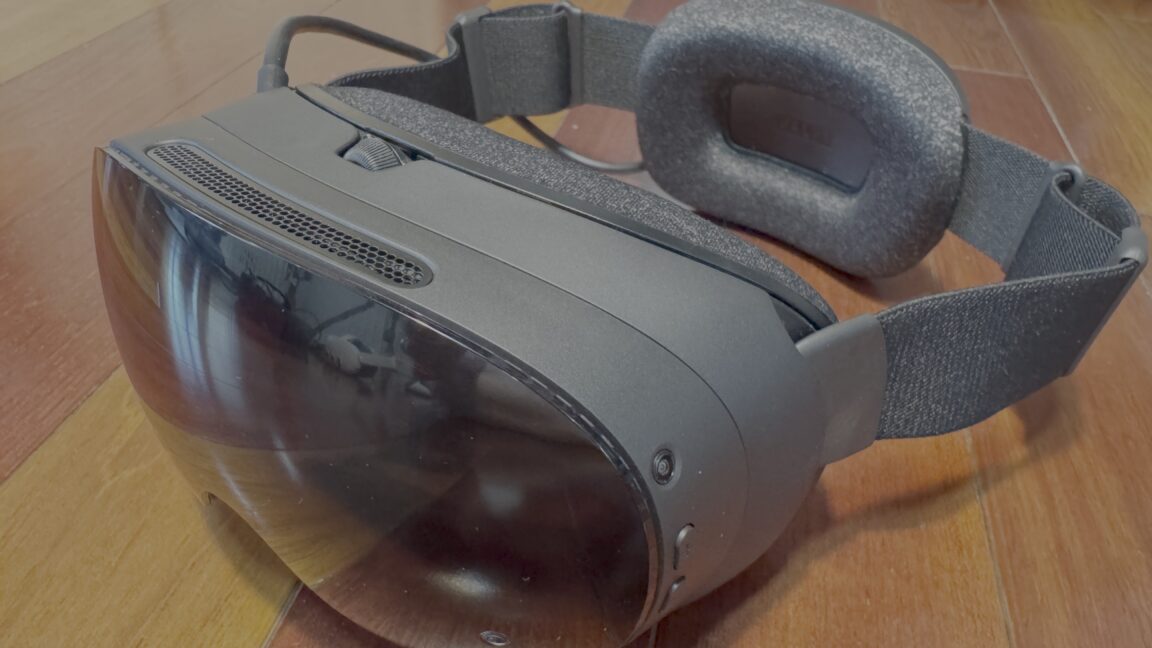
Valve has ported Half-Life: Alyx to ARM, and it’s free with Steam Frame
Today, Valve is launching its first headset since 2019 - the new Steam Frame - while dodging our questions about whether it'll ever make another VR game to go with it. But buyers of the $1,059 gadget will get one flagship VR game anyhow, and it's great. Every Steam Frame comes with a copy of […]

Valve's Steam Frame VR headset has recently been released, marking the debut of the company's newest hardware offering. During an interview with IGN, Valve software developers Pierre-Loup Griffais and Jeff Leinbaugh discussed the headset's features and future potential.
Griffais and Leinbaugh emphasized that the Steam Frame was designed with a wireless streaming experience in mind, aiming to eliminate the hassle of complex wired connections. To achieve this, the headset includes a wireless adapter that ensures a consistent and reliable connection, regardless of network setup. This adapter is included with the device and works in tandem with other wireless connections to create a seamless streaming experience.
The interview also touched upon the decision to release a Steam Frame with robust hardware, such as increased RAM and a more powerful processor. Griffais explained that, despite the growing memory crisis, it was too late in the development process to make significant changes to the product. However, Griffais expressed confidence in the streaming-first approach, noting that the device's ability to run tasks locally has been well-received during testing.
He also highlighted that users may find standalone play equally enjoyable, depending on their preferences.
Leinbaugh pointed out that the future of the Steam Frame could evolve as compatibility verification for standalone certified titles expands. As more games become available for standalone play, some users might find that a streaming-first headset is no longer their primary choice, depending on the type of gameplay they prefer.
When discussing the performance of Proton compatibility on the Steam Frame's ARM hardware, Griffais explained that the Proton environment is native to the ARM platform, eliminating any performance hit typically associated with translation layers. The developers have been working on integrating ARM compatibility into Proton for over eight years, resulting in a near-seamless experience for Steam Deck and Steam Machine users.
However, the graphic driver on the ARM chip is still being optimized for desktop-like games, which run on DirectX 11 and DirectX 12. Despite this, Griffais believes that the performance of the Steam Frame will continue to improve as drivers mature and more optimization work is done.
Written by urgent.news from IGN's reporting — not their text. Machine-written — may contain errors; check the original before relying on it.
This story
This is one outlet's version. Read the fullest account.