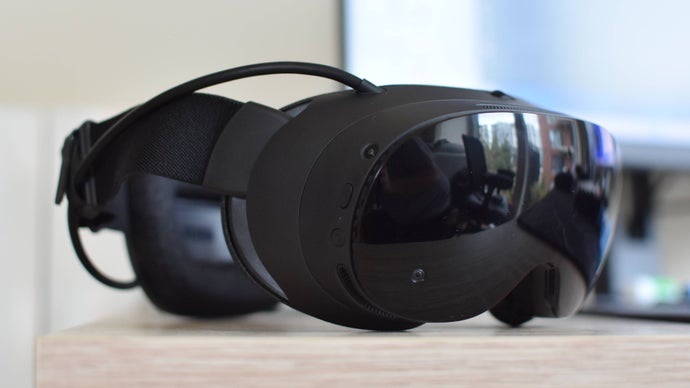
Valve had next-gen VR 'headsets ready three, four years ago and they were big, bulky devices' but went back to the drawing board after actually putting them on
The versatile Steam Frame's focus is "on being lightweight and being comfortable".
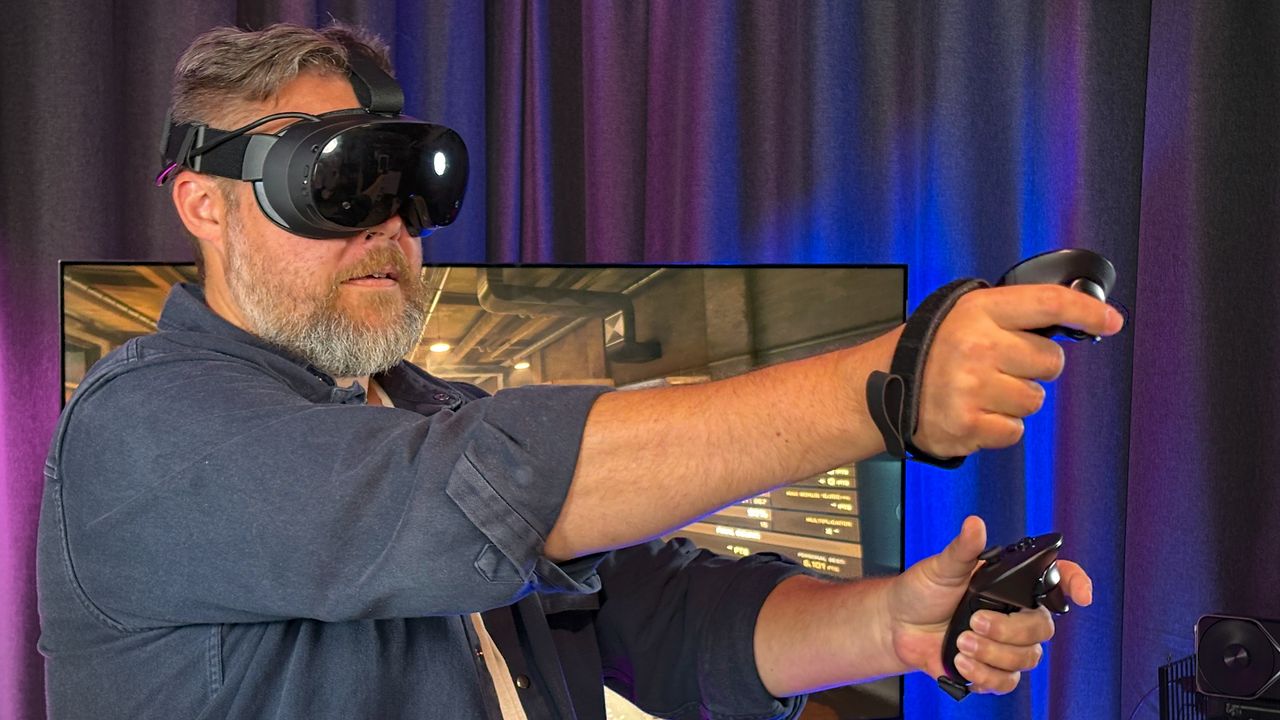
Valve had VR headsets ready for next-gen headsets three to four years ago, but decided to scrap the designs, according to Joy Lyons and Jeremy Selan, two of the people who helped create the device. The initial headsets were bulky and resembled the Valve Index, so Valve decided to take a different approach. They cited comfort, lightweight design, and the need for hardware engineers to go through multiple iterations before achieving a satisfactory form factor.
The release of the Steam Frame, a PC VR device that can also function as a standalone headset, was delayed due to component shortages and economic factors. However, Valve's recent work on software, such as the Steam Deck, Proton, and Lepton, has contributed to making the headset a success. The Steam Frame is not just a VR headset; it can stream games wirelessly from a PC and run x86 games on an ARM-based system.
It can also play Android games through the Lepton translation layer, providing access to a wide range of VR content. Valve's engineers found the Steam Frame to be the most enjoyable device to use, leading to a shift in perspective and the realization that this was a real product worth releasing.
Written by urgent.news from PC Gamer's reporting — not their text. Machine-written — may contain errors; check the original before relying on it.