US yield curve sends stark warning: Consumers can’t handle rate hikes
The US bond market rout cranked up a gear last week, amid sticky inflation and firming expectations of a Federal Reserve rate hike, sending yields surging to multi-year highs. This grabbed the headlin...
The US bond market has intensified its downward trend last week, driven by persistent inflation and heightened expectations of a Federal Reserve rate hike, causing yields to soar to multi-year peaks. However, the yield curve's form may be the more significant indicator. The relative movements between short- and longer-dated US borrowing costs suggest bond investors are anticipating an economic slowdown following the expected inflation-fighting rate hikes.
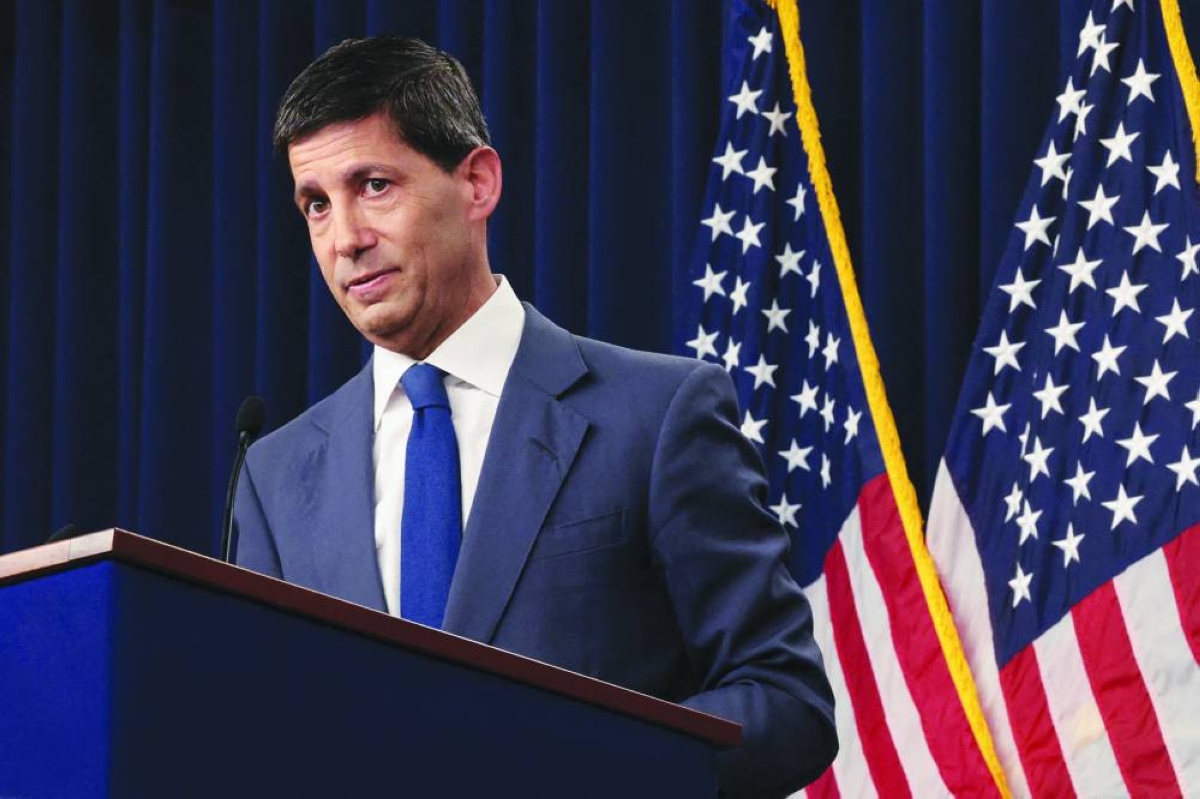
The gap between two- and 30-year yields narrowed to 71 basis points, the narrowest since late June, potentially nearing its flattest level since March. The 2s/10s curve, the spread between two- and 10-year yields, also contracted to 31 basis points, the tightest since July 29, marking the day of Chair Kevin Warsh's press conference, which raised doubts about the Fed's commitment to its 2% inflation target.
The flattening yield curve implies the Fed may soon reverse its policy course, potentially initiating four rate hikes within a year to counter the anticipated economic slowdown and lessened ability for consumers to bear the increased cost of money. Last week witnessed several key milestones for the US consumer, all negative. Crude oil prices surpassed $100 per barrel, and diesel averaged $6 per gallon for the first time.
The 10-year Treasury yield flirting with 5% led to mortgage rates reaching their highest since May, now back above 7%. These figures could trigger a squeeze on consumer spending, which constitutes around 70% of US economic activity. Although energy's share in GDP has decreased, soaring gasoline, diesel, and fuel prices will still impact discretionary spending.
A weak housing market could exacerbate economic challenges, given its significant contribution to GDP. Despite President Trump's downplaying of inflation and affordability issues, he might now address voters' primary concern heading into the midterm elections. He pledged $5,000 per adult if Republicans win both houses of Congress, but the counterforce could be a steepening yield curve due to fiscal stimulus and AI-related investment, both inflationary forces.
Written by urgent.news from Gulf Times Business's reporting — not their text. Machine-written — may contain errors; check the original before relying on it.