UN rebuke to India
EDITORIAL: The findings of the UN Committee on the Elimination of Racial Discrimination (CERD) should concern anyone who believes that India’s constitutional promise of equality is more than a formal declaration. The committee notes reports of large-scale violations perpetrated by law enforcement officials against ethnic and ethno-religious groups and non-citizens. These included racially…
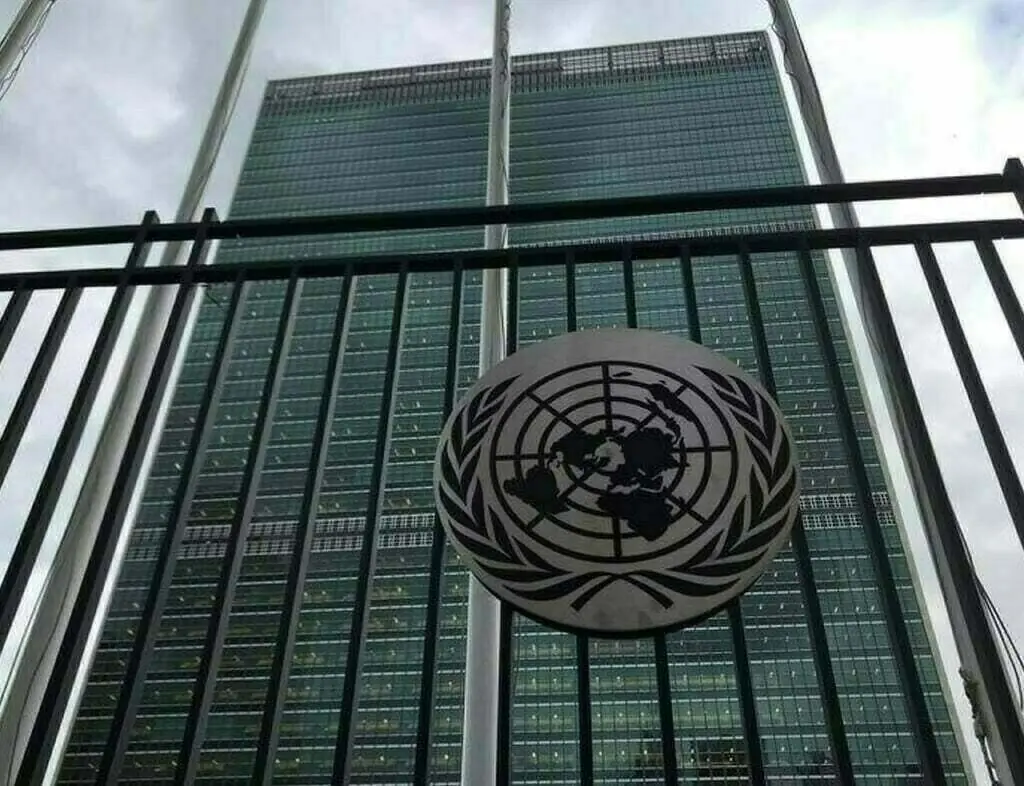
The United Nations Committee on the Elimination of Racial Discrimination has issued a rebuke to India, highlighting severe violations of human rights against ethnic and religious minority groups within the country. These abuses include racially motivated violence, extrajudicial killings, arbitrary detention, torture, and sexual violence against tribal peoples, Dalits, Bengali-speaking Muslims, migrants, and asylum-seekers.
Despite India's constitutional commitment to equality and secularism, the political climate under the current BJP rule has been increasingly shaped by Hindutva, an ideology that prioritizes Hindu identity over others. This ideological shift raises serious questions about the country's democratic ideals and its ability to uphold equal rights for all citizens, regardless of their religious or ethnic backgrounds.
The problem, according to the CERD, is not merely ideological; it is also deeply embedded in the way minorities, migrants, and other vulnerable communities are portrayed through the lens of religious or ethnic identity, which legitimizes discrimination and creates opportunities for abuses by state authorities. The committee's concerns over Bengali-speaking Muslims and Rohingyas are particularly significant, as identity checks, racial profiling, arbitrary detention, and forced returns disproportionately target these vulnerable groups, contributing to a broader pattern of discrimination.
These findings give significant international weight to growing domestic concerns over the marginalization of Muslims, the normalization of anti-minority rhetoric, and the increasing pressure on dissenters, civil-society groups, and human-rights defenders. The credibility of India's democracy, therefore, hinges not on the strength of its majoritarian politics, but on whether the institutions can effectively protect minorities, even when it is politically inconvenient to do so.
Independent investigations and prosecutions of extrajudicial killings, torture, and arbitrary detentions are crucial to addressing these issues, as is the prohibition of inflammatory political rhetoric and the protection of those who expose such abuses.
Written by urgent.news from Business Recorder's reporting — not their text. Machine-written — may contain errors; check the original before relying on it.