UAE flu season 2026: How to protect your family
Annual vaccination is available from six months of age as health authorities urge residents to take precautions against seasonal influenza As the seasonal influenza season begins, UAE health authorities are urging residents to get vaccinated and follow simple preventive measures to protect themselves and their families. Get updated faster and for FREE: Download the Gulf News app now - simply…
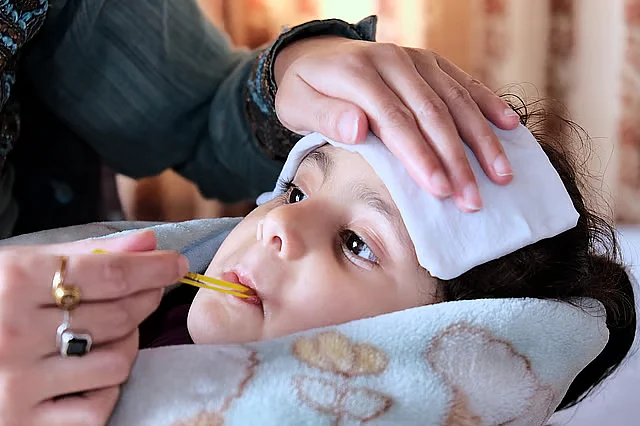
The 2026-2027 flu season in the United Arab Emirates (UAE) has begun, prompting health authorities to encourage residents to get vaccinated and adopt preventive measures. The Ministry of Health and Prevention (MoHAP) has initiated its National Seasonal Influenza Awareness Campaign, running from September 1 to March 31, 2027, under the theme "Protect Yourself... Protect Your Community."
The campaign aims to boost vaccination rates and raise awareness about stopping the spread of influenza, especially among vulnerable individuals. Influenza vaccinations are accessible to all UAE residents from six months of age, with higher priority given to older adults, pregnant women, children, healthcare workers, people with chronic illnesses, and those with weakened immune systems.
Why opt for annual vaccination? Influenza viruses mutate over time, which means the protection from prior vaccinations may diminish. Consequently, flu vaccines are frequently updated to safeguard against strains anticipated to circulate during the season. After receiving the vaccine, the immune system typically takes about two weeks to respond.
Though most individuals recover from influenza within roughly a week, the illness can lead to severe complications for certain patients. Common symptoms encompass fever, cough, headache, muscle and joint pain, sore throat, runny nose, fatigue, and chills.
Six strategies to safeguard your family include regular handwashing with soap and water, especially after coughing or sneezing and prior to meals; covering the mouth and nose with a tissue or elbow when coughing or sneezing; avoiding touching the eyes, nose, and mouth with unclean hands; maintaining well-ventilated indoor spaces; keeping children home from school who exhibit clear flu symptoms; and adults with flu-like symptoms should limit close contact with others when feasible.
Medical attention should be sought if one experiences severe symptoms or is part of a high-risk group. Antiviral medications may be prescribed for some patients, particularly those at higher risk, and are most effective when initiated early. However, antibiotics are ineffective against influenza as it is a viral infection.
MoHAP emphasized that prevention begins before illness onset, stressing the importance of vaccination, personal hygiene, and early awareness to curb the spread of influenza within homes, schools, and workplaces.
Written by urgent.news from Gulf News's reporting — not their text. Machine-written — may contain errors; check the original before relying on it.