UAE doctors turn to AI to explain why cancer treatments work for some but not others
Cancer specialists in the UAE are using artificial intelligence to understand more about why treatment works for some but fails to help others. Two patients can have the same type and stage of cancer, and receive the same treatment, but experience markedly different outcomes. Dubai-based Nexomic, which has been established in part by one of the UAE’s leading oncologists, aims to harness…
UAE doctors are employing artificial intelligence (AI) to unravel the reasons behind varied cancer treatment outcomes for patients with identical types and stages of the disease. Dubai-based Nexomic, founded partly by a leading UAE oncologist, aims to leverage advanced AI to improve cancer care and survival rates. Prof Humaid Al Shamsi, who leads cancer care at Burjeel Medical City and heads the Burjeel Cancer Institute, is investigating innovative methods that could revolutionize patient treatment.
Distinguishing why some patients respond favorably to treatment for extended periods while others deteriorate rapidly, despite identical therapy, remains a significant challenge in cancer medicine, as Prof Al Shamsi explains. "Cancer is far more complex than a single mutation," he notes. "Two patients may share the same diagnosis, stage, and recognized biomarkers, yet their cancers may behave very differently."
Nexomic's AI platform, named DeepOmic, integrates various layers of tumor biology to identify patterns associated with treatment response, resistance, and disease progression. Unlike focusing solely on individual mutations like HER2, KRAS, or BRCA, DeepOmic examines multiple forms of molecular data concurrently, including gene activity and DNA alterations.
This multi-omics approach aims to furnish a more comprehensive view of the tumor's behavior, aiding researchers, pharmaceutical companies, and oncologists in translating these complex molecular patterns into clinically useful insights.
Dr Ghadeer Ghosheh, Nexomic's chief AI officer, emphasizes the importance of viewing cancer as a multifaceted biological system. "Cancer is not a single data point," she states. "It is a complex system, and each layer of information provides unique insights. Our goal with DeepOmic is to amalgamate these layers to achieve a deeper understanding of cancer biology."
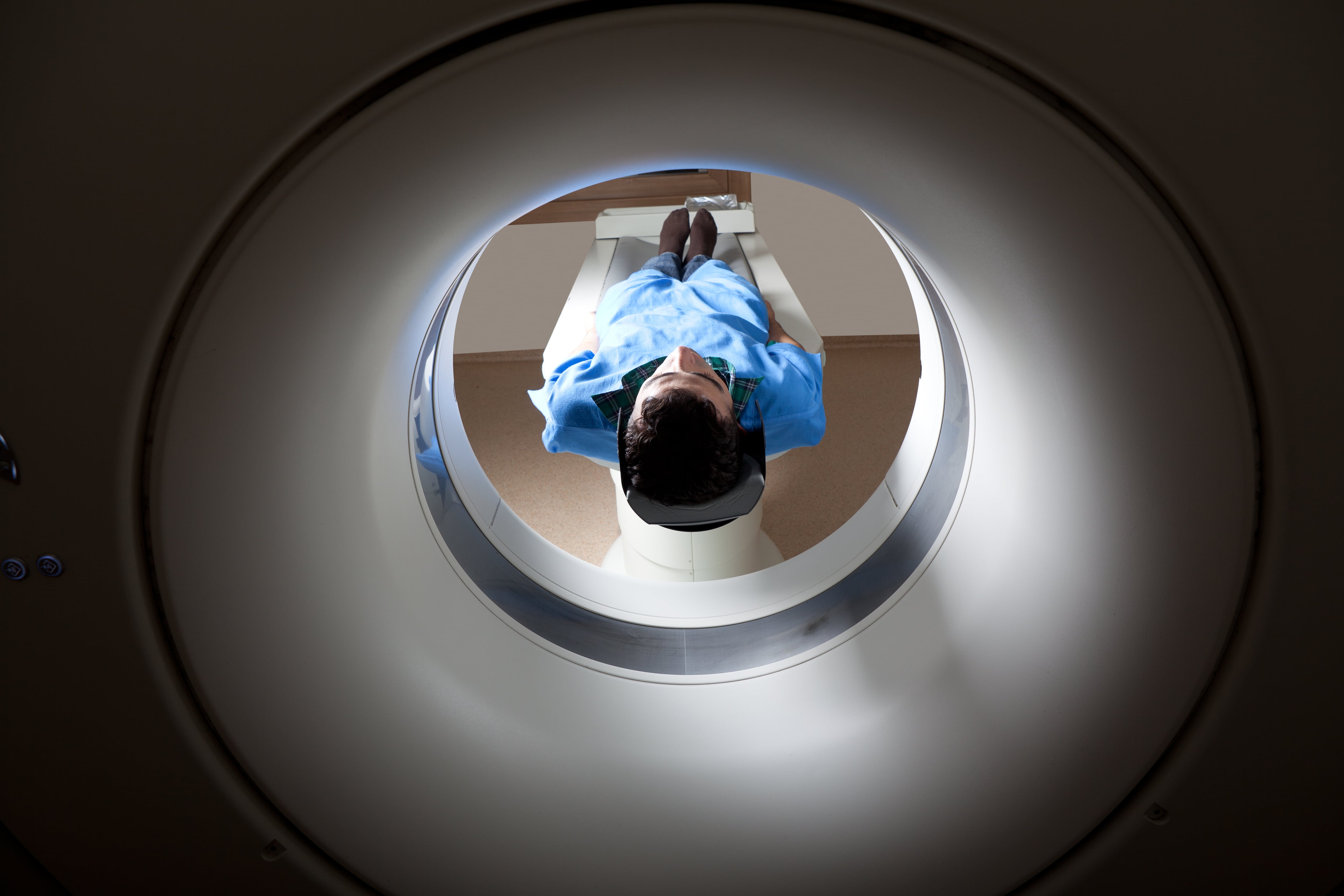
Algorithms can detect subtle signs of cancer years before symptoms manifest, while pairing AI with radiologists enhances detection accuracy by reducing false positives and negatives.
Access to comprehensive patient health data is crucial for the success of Nexomic's AI program. To address this challenge, the company has established a data-access agreement with Genomics England and Cancer Research Horizons in the UK. This partnership will enable Nexomic to evaluate and enhance its computational tools and research using highly regulated genomic and clinical information.
Dr Mohammad Ghosheh, Nexomic's CEO and a key figure behind DeepOmic, underscores the transformative potential of this approach. "Medicine has made remarkable strides, but many treatment decisions are still based on outcomes observed in the average patient," he notes. "We are developing Nexomic to bridge the gap between our current understanding of cancer biology and practical applications.
By creating technology that supports better treatment decisions, assists pharmaceutical companies in understanding why therapies succeed or fail, and ultimately advances personalized medicine closer to patients, we aim to improve outcomes and usher in a new era of precision cancer care."
Written by urgent.news from The National Business's reporting — not their text. Machine-written — may contain errors; check the original before relying on it.