Too early to judge Fed Chairman Kevin Warsh's communication style, billionaire investor David Rubenstein says
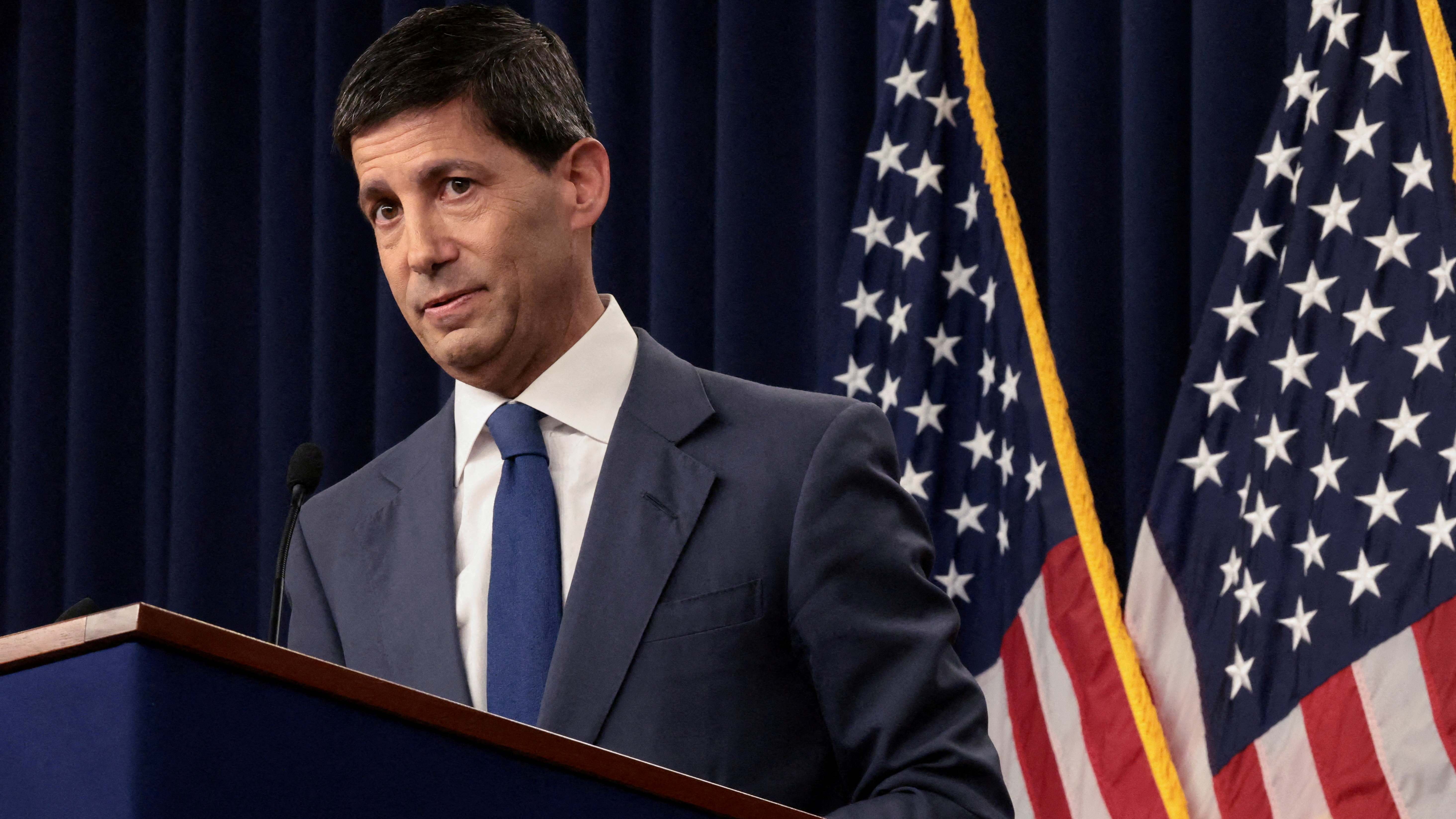
If the US Federal Reserve fails to increase interest rates during Donald Trump's second term, bond markets could panic, according to Kevin Warsh. Warsh took over as Fed Chair in the summer and announced he wouldn't inform markets about his monetary policy plans. Warsh stated that investors had already taken some of the Fed's work by anticipating rising market interest rates.
The Fed and bond markets share a relationship like an old marriage, mutually dependent, but the bond market is now pushing the Fed into a corner. The bond market is demanding a rate increase due to increasing inflation risk. Warsh delivered a strong speech at the Jackson Hole Bankers' meeting, promising rigorous inflation control, but now he must deliver, or risk losing market confidence.
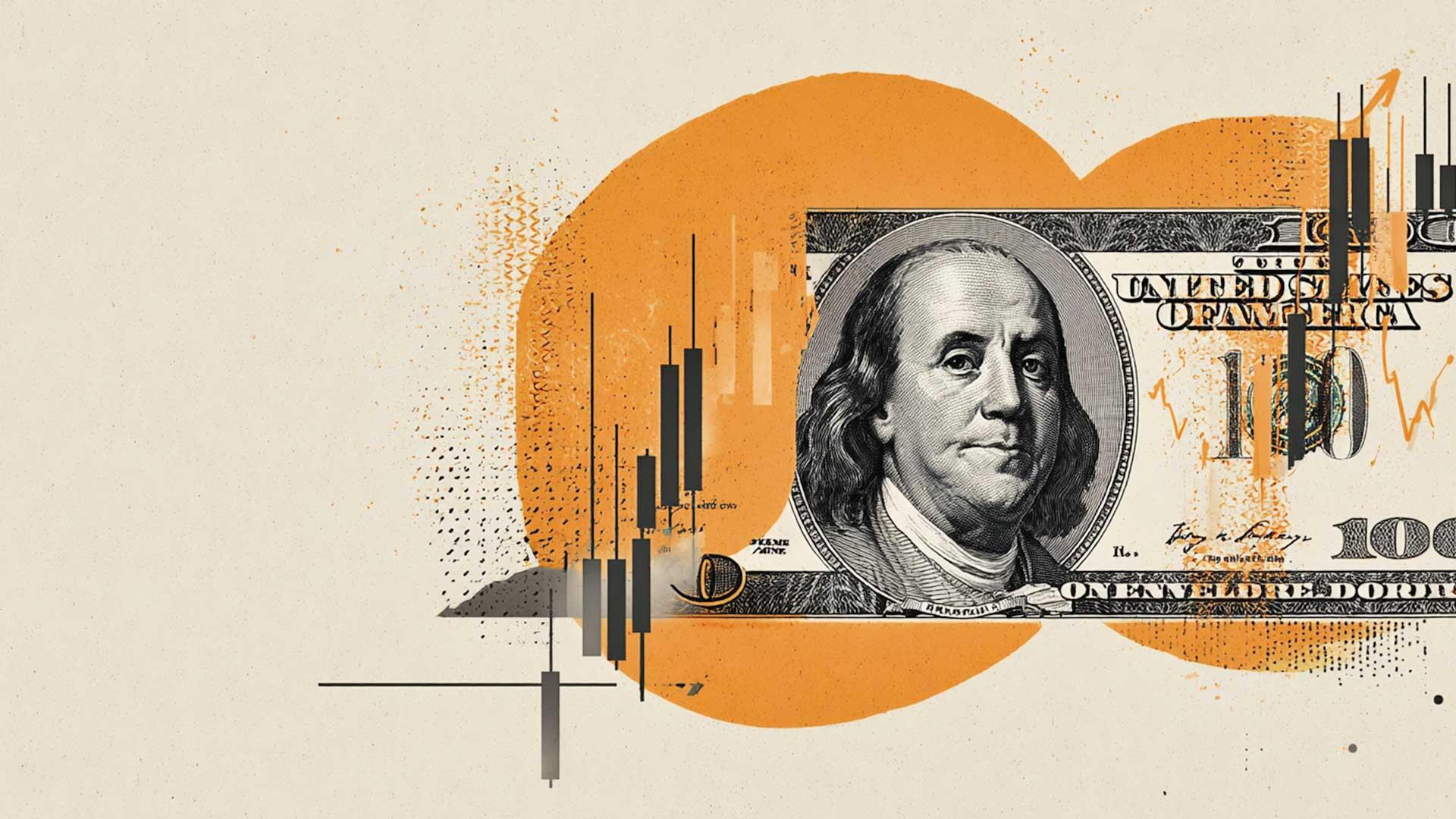
Rising bond yields, even 5 percent on 10-year US Treasuries, could lead to a debt crisis for highly indebted entities and countries. The US federal budget already spends over a sixth of its revenue on debt servicing. If the debt continues to increase, it could force the Treasury Department to print money, leading to inflation. However, there is no clear evidence that the US's large budget deficit is the main reason for the high bond yields.
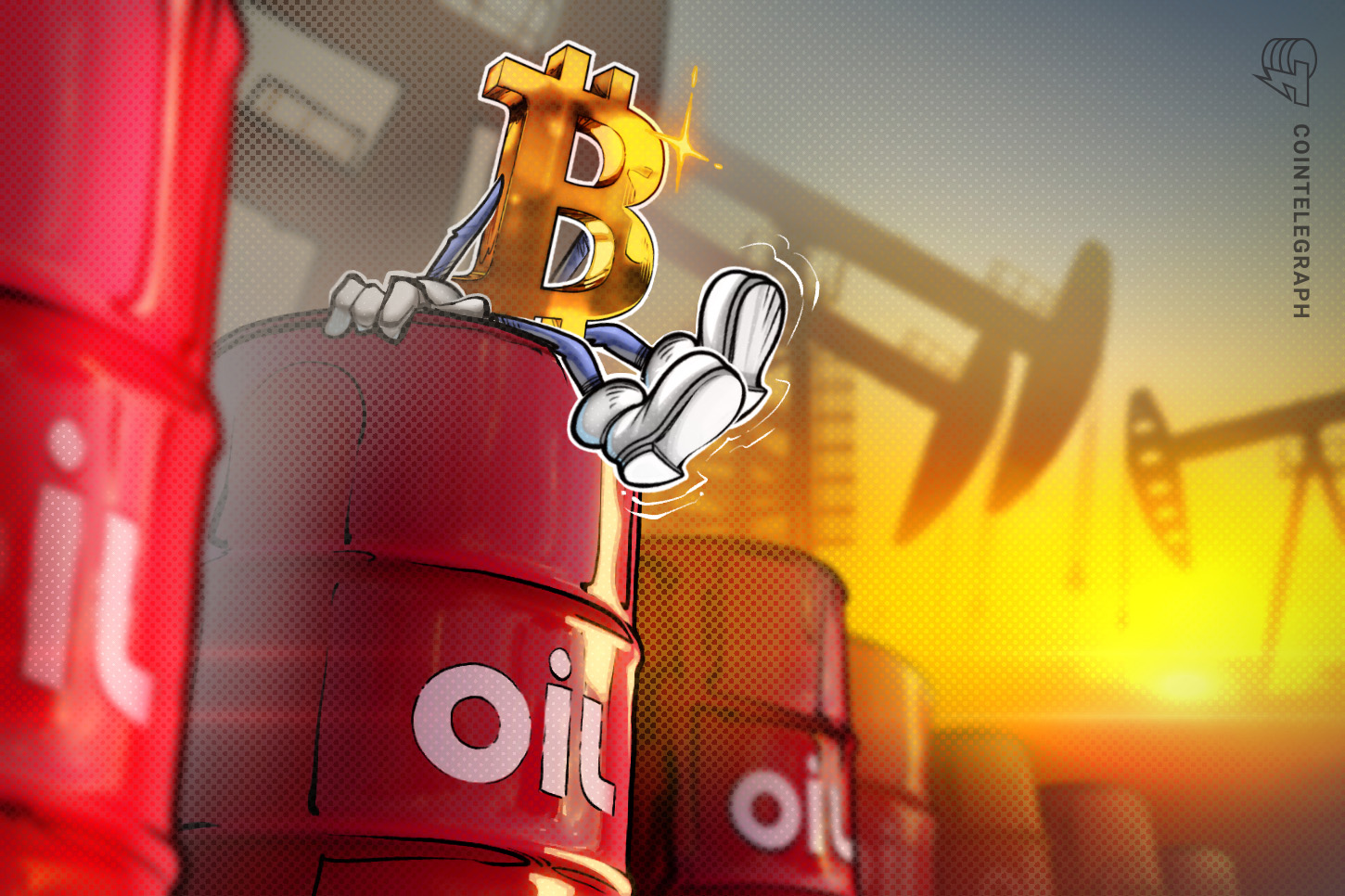
Inflation expectations in the US have risen, according to surveys from the University of Michigan, but market indicators suggest professional investors still believe the Fed can keep inflation around 2.3 to 2.4 percent in the long run. The rise in bond yields is also due to the sharp increase in energy prices caused by wars in the Middle East and Ukraine.
Markets expect that expensive gasoline and diesel will drive inflation in the short to medium term, and central banks will act to contain it. The rise in yields is also explained by the growing AI economy. New technology could boost productivity, leading to higher long-term interest rates. However, many economists disagree on how much each of these four factors contributes to the rate increase.
What is clear is that the Fed needs to mitigate the consequences of the bond market's panic. According to derivative market data, markets expect a 0.25 percentage point rate increase above 90 percent. While many experts agree that such an increase is warranted based on fundamental data, others disagree. However, most agree that a rate increase could cause panic in the bond market if the Fed unexpectedly maintains the current 3.5 to 3.75 percent range.
Written by urgent.news from NZZ Wirtschaft's reporting — not their text. Machine-written — may contain errors; check the original before relying on it.
This story
This is one outlet's version. Read the fullest account.