These pediatric wheelchairs are a fraction of the cost thanks to 3D printing
For decades, pediatric mobility device use has been constrained by high costs, insurance barriers, and the need for specialized manufacturing. Now, New Orleans nonprofit MakeGood, the winner of the 2026 Innovation by Design award in accessible design , is using 3D printing to expand access to devices for children with conditions that make independent movement difficult. Rather than producing a…
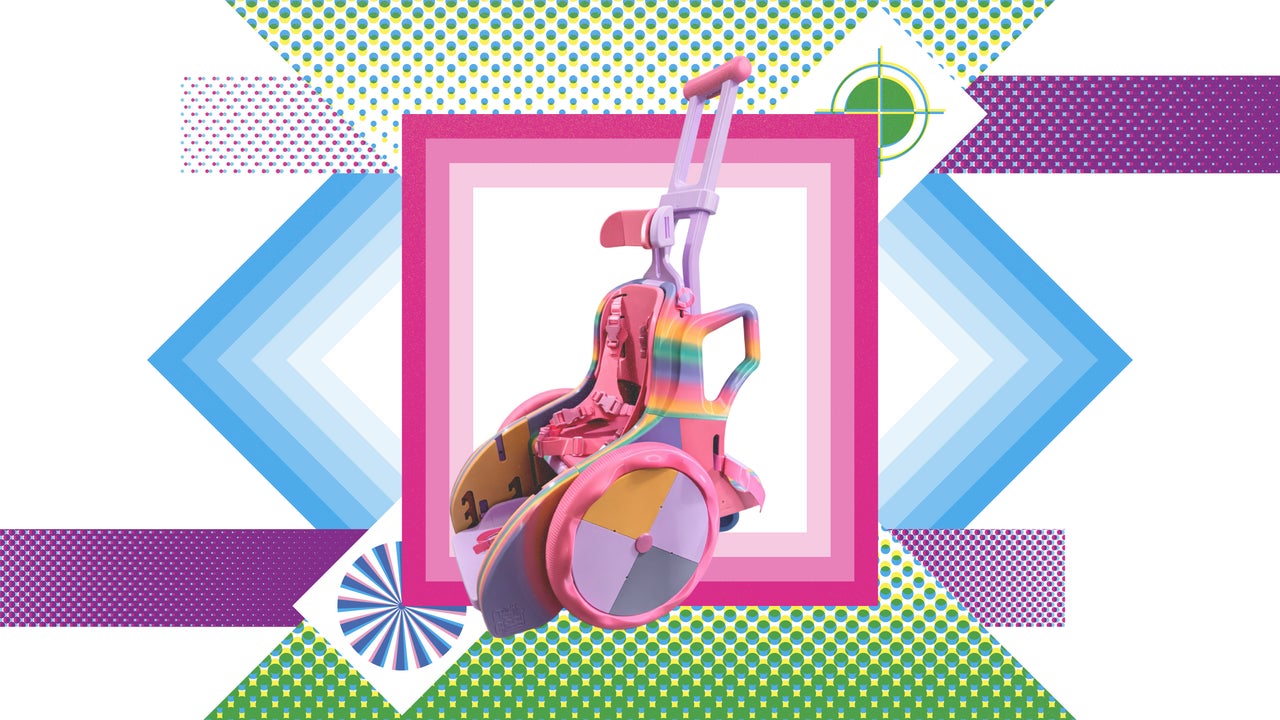
Pediatric wheelchairs that cost a fraction of traditional ones are now possible thanks to 3D printing technology, according to MakeGood, a nonprofit based in New Orleans. The organization recently received the 2026 Innovation by Design award for accessible design in recognition of their innovative approach. Instead of manufacturing conventional manual wheelchairs, MakeGood has created a colorful, plastic wheelchair-like mobility trainer suitable for children aged 1 to 8 who face challenges with independent movement due to conditions such as cerebral palsy or spina bifida, or those who have spent time in neonatal intensive care.
This trainer can be produced locally using consumer-grade 3D printers for a few hundred dollars. The trainer is large enough for a child and assembled from numerous small components using joinery techniques inspired by Japanese woodworking and geometric interlocking structures to form a robust frame from compact prints.
MakeGood operates an online platform, 3D-mobility.org, which connects over 1,000 volunteer makers globally with families seeking these devices. Schools, makerspaces, hospitals, and even grandparents with recently acquired 3D printers are contributing to the production of trainers near the children's living locations. The founder of MakeGood, Noam Platt, emphasizes this approach as "radical self-reliance," stating that good design combined with 3D printing empowers families to address their own needs without relying on insurance companies.
If the need arises for a mobility device, the organization believes it can simply be manufactured. Currently, MakeGood is expanding local production hubs worldwide, particularly in Latin American regions where demand is high, but access to 3D printers and materials remains limited.
Written by urgent.news from Fast Company's reporting — not their text. Machine-written — may contain errors; check the original before relying on it.