The strange lesson the Ford Pinto can teach us about the new iPhone
There’s a funny game I’ve been playing with my three-year-old iPhone lately. The objective is to drain my battery as often as possible to degrade its health enough that Apple Care covers the replacement. A new battery would make my phone feel brand new — or at least new enough to avoid buying the latest […]
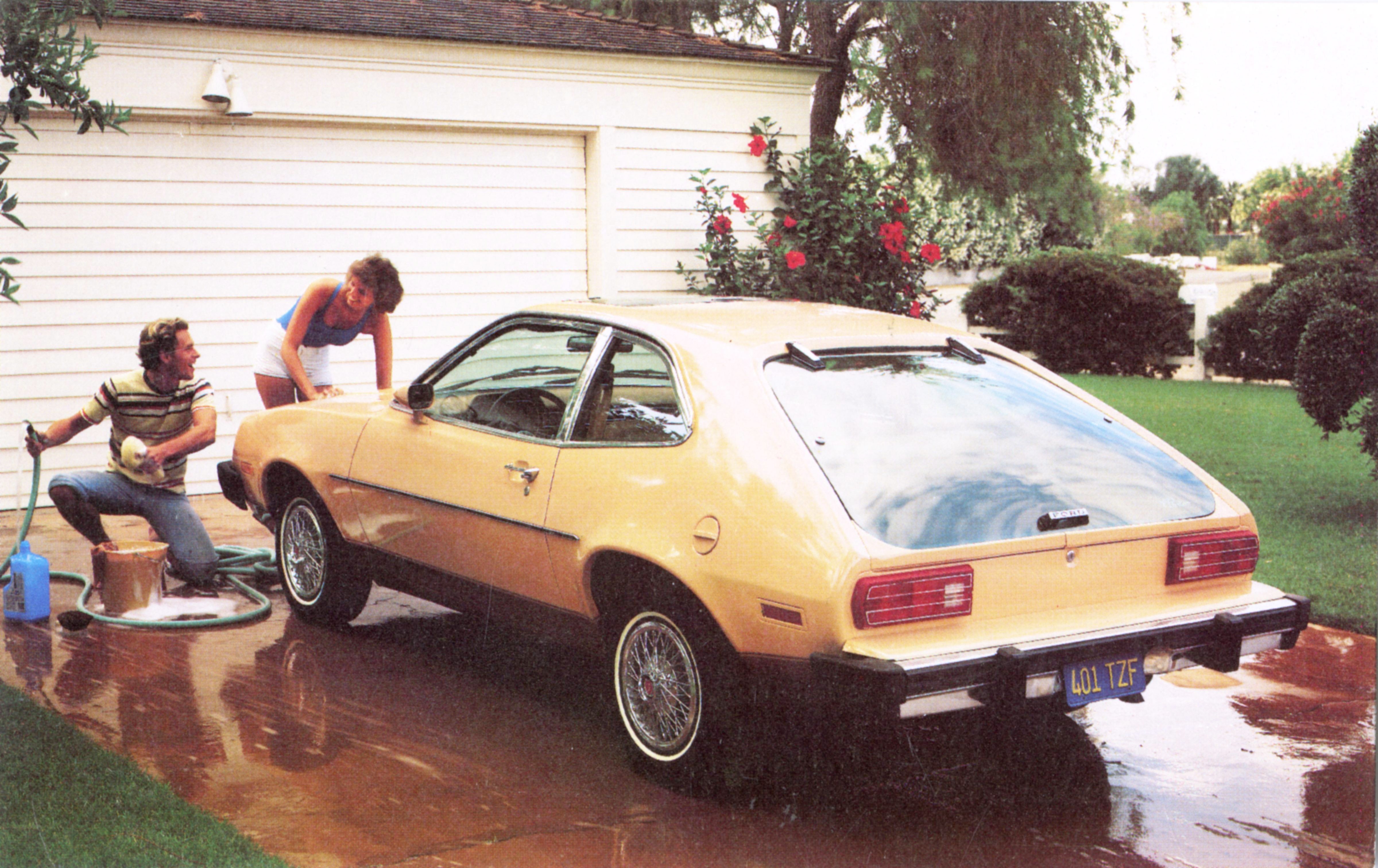
In the 1970s, a phenomenon known as the Malaise Era gripped the American automotive industry. Faced with rising oil prices, new safety and emissions regulations, and a shift away from big, inefficient cars, Detroit's automakers produced subpar models like the Ford Pinto. These cars cost more and underperformed, leading to a shift in consumer preferences.
The Malaise Era serves as an analogy for the current state of the smartphone market, where prices have risen, but devices don't seem to offer significant improvements over their predecessors. Companies like Apple are raising prices due to factors such as a global memory shortage and increased demand for memory in AI data centers.
The memory crisis is expected to persist, with global smartphone shipments projected to fall by nearly 17 percent in the upcoming year, but overall market value increasing due to higher prices. The Malaise Era and the current state of the smartphone industry highlight the potential for enshittification, a process coined by Cory Doctorow that describes tech platforms degrading products and squeezing profits from users.
Learning from the past, consumers can embrace the opportunity to break free from upgrade cycles and compulsive buying, becoming more empowered and demanding better products at fair prices.
Written by urgent.news from Vox's reporting — not their text. Machine-written — may contain errors; check the original before relying on it.