The real AI economy is being built by ordinary people
Far from Silicon Valley pitch decks, workers across Asia and Africa are bypassing tech industry hype to quietly rewire their daily jobs — one prompt, workflow, and local problem at a time.
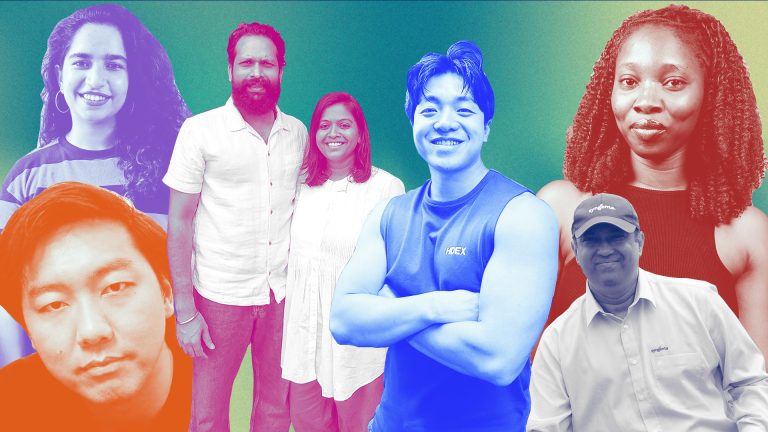
Across Asia and Africa, individuals are harnessing artificial intelligence to tackle everyday challenges, generate income, and introduce novel opportunities in their daily routines. These individuals utilize AI, determining which tasks they delegate and which they handle independently, showcasing the impact AI is having on the economic landscape at a personal and local level. As Silicon Valley and China vie for dominance in the global AI landscape, this shift is becoming increasingly evident.
For 24-year-old makeup artist Nureeyah Ogunmuyiwa, a resident of Lagos, hiring her first employee proved to be a daunting task. Being new to the hiring process, she lacked knowledge on crafting job descriptions, asking pertinent interview questions, and identifying suitable candidates. However, with the assistance of a chatbot, Ogunmuyiwa received a comprehensive hiring strategy, including interview questions and a checklist to assess candidates.
She described ChatGPT as her "hiring manager" that simplified the process, allowing her to focus on building her business. The assistant hired through AI has since joined Ogunmuyiwa's team as her "most reliable business partner," handling various aspects such as social media management, refining client pitches, and calculating prices for beauty products.
Similarly, Chinmayee Mishra, the owner of Patta Chai, a neighborhood tea cafe in Bengaluru, India, integrated AI into her business to streamline marketing efforts. By training ChatGPT with her previous writing style, Mishra generated reflective and long-form captions for social media platforms. She utilized Canva and Adobe Express, equipped with AI features, to design labels, posters, and promotional material without the need to hire a designer.
While Mishra acknowledges that AI has contributed roughly 5% to her business growth, she remains cautious about potential replacements for human labor, stating that the presence of AI should not threaten the human touch in her cafe's operations.
Written by urgent.news from Rest of World Tech's reporting — not their text. Machine-written — may contain errors; check the original before relying on it.