The program redesign the IMF needs
As the IMF undertakes the first major evaluation of its guidelines for program design since 2019, it should focus on three features of its lending toward reform, given widespread debt distress in developing countries.
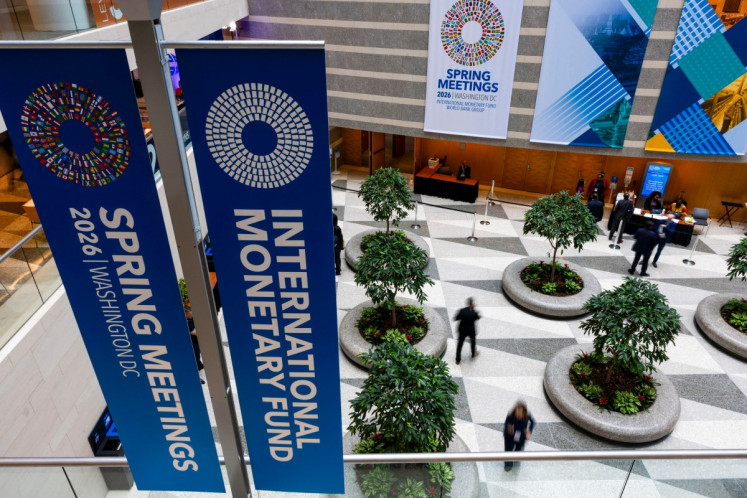
The International Monetary Fund (IMF) has initiated a comprehensive review of its program design and conditionality guidelines, marking its first major evaluation since 2019 amid rising debt distress in developing nations. This assessment is particularly urgent given the persistent macroeconomic imbalances and severe debt issues plaguing many countries, which significantly impede their development prospects.
The IMF's program design review should focus on three crucial aspects: policy conditionality, the use of financing during arrears, and preventing destabilizing capital movements. Policy conditionality refers to the stipulations attached to IMF lending, which should foster countercyclical macroeconomic policies in countries lacking alternative financing sources.
Importantly, IMF funds should not be utilized to maintain unsustainable debt levels; instead, countries must commit to debt restructuring efforts to ensure debt sustainability.
Furthermore, the IMF should avoid financing programs that involve contractionary fiscal policies, like cuts to public infrastructure, education, and healthcare, while governments continue to repay debts to private creditors. This has become a concerning trend in recent years, as highlighted by the Vatican’s Jubilee Report, where multilateral financing for developing countries appears to support private sector expansion rather than domestic investment.
Lastly, the IMF should work to curb destabilizing capital flows that often exacerbate exchange rate volatility and uncertainty in developing economies, ultimately hindering investment growth. Addressing these critical elements in its program design will be pivotal for reforming the IMF’s lending practices to better support countries grappling with debt distress and economic instability.
Written by urgent.news from The Jakarta Post's reporting — not their text. Machine-written — may contain errors; check the original before relying on it.