The Problem With Trying to Bypass Hormuz Using Pipelines
The East-West Pipeline in Saudi Arabia, which delivers oil to the shores of the Red Sea, has been an important workaround to the choking of tanker traffic by Iran in the Strait of Hormuz, the only exit for tankers from the Persian Gulf to the open sea. The Saudi government claims that 7 million barrels per day (mbpd) of crude oil can flow westward through the pipeline to the port of Yanbu, though…
The East-West Pipeline, located in Saudi Arabia, serves as a vital alternative for oil transportation when the Strait of Hormuz is blocked. It is designed to transport up to 7 million barrels per day (mbpd) of crude oil to the Yanbu port, though current exports are estimated at around 5 mbpd due to infrastructure limitations. However, this pipeline has recently been damaged and rendered inoperable.
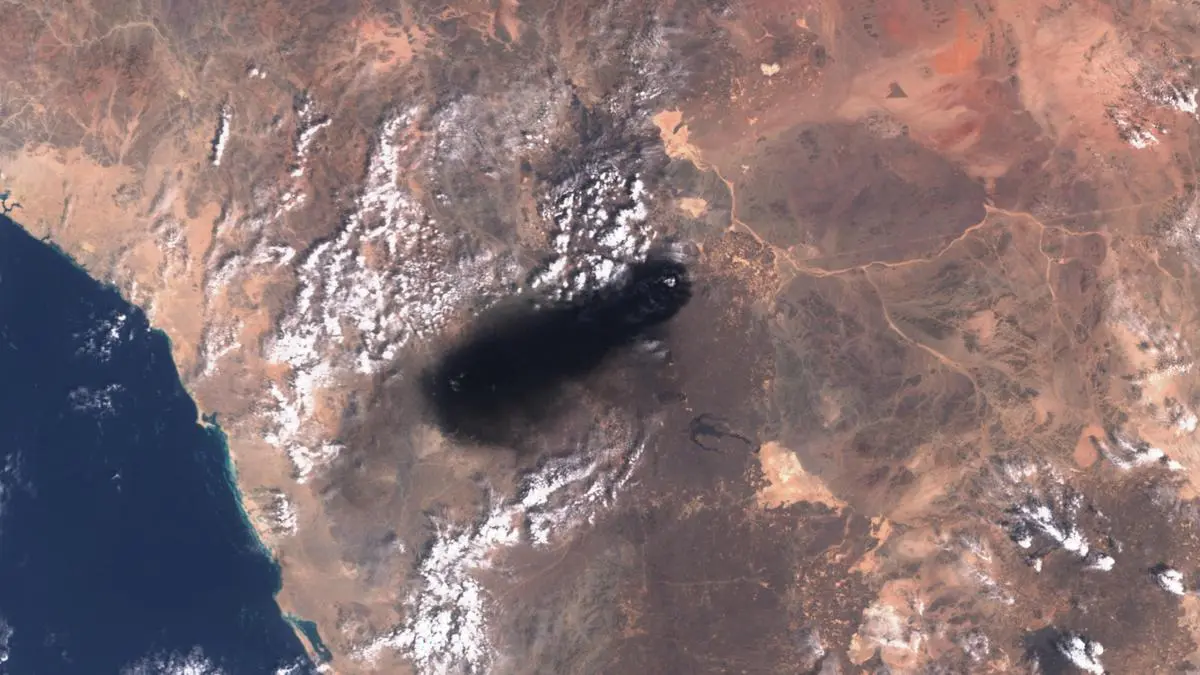
Saudi authorities claim the closure is a precautionary measure, but satellite images suggest at least two pumping stations have been hit, making repairs or replacements more complex than simply repairing a damaged section of pipeline. Given the pipeline's 1200-kilometer above-ground length, it is vulnerable to future attacks. Despite the significant volume of oil flowing through the pipeline, it has not fully compensated for the loss of export capacity since Iran closed the Strait of Hormuz.
Moreover, the reliance on the East-West Pipeline to counter potential closures of the Strait of Hormuz is now deemed unrealistic. Critics argue that the persistent discussion about constructing new pipelines in the Persian Gulf region lacks a comprehensive understanding of the strategic landscape, which includes aerial threats capable of destroying pipelines.
This incident underscores the limitations of relying solely on pipelines as a solution to the Strait of Hormuz closure issue.
Written by urgent.news from OilPrice's reporting — not their text. Machine-written — may contain errors; check the original before relying on it.