The human cost of making Big Tech accountable
Internet activist Lennon Torres says grieving parents deserve real, lasting change from Big Tech — not just a check.
The $17 billion settlement awarded to families affected by Meta's platform is akin to placing a fence around a deep hole at a playground. While it may prevent some children from falling in, the hole remains and the settlement is not a complete resolution. Such victories are infrequent in the pursuit of online child safety. Typically, what families obtain are half-wins like settlements, design mandates not enabled by default, or payments that are a fraction of a company's annual revenue.
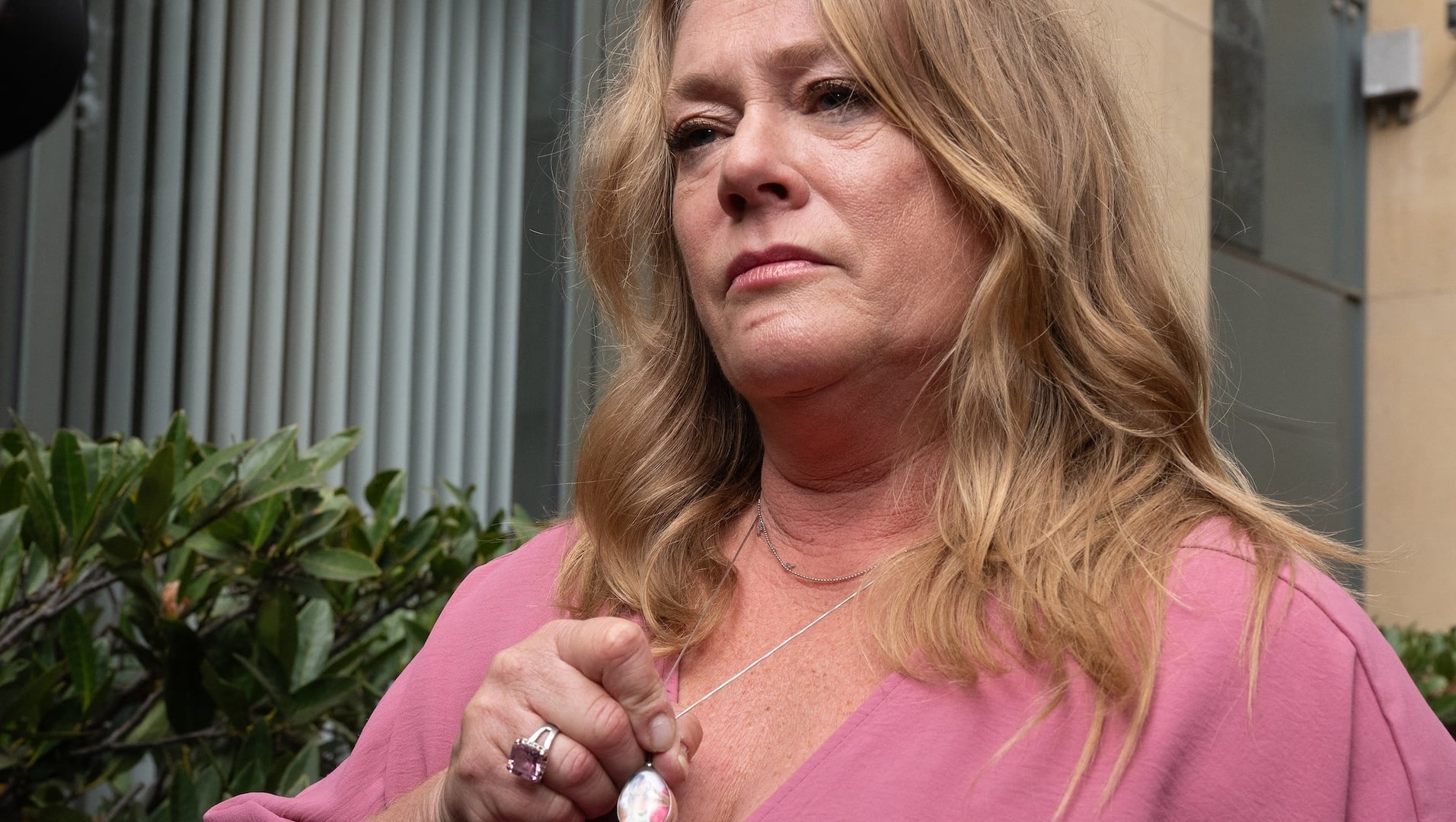
These half-wins are valuable, but they come with costs not associated with outright wins. Once a half-win is contested, advocates find themselves in an endless loop of re-arguing its validity in the public eye, enduring the same personal anguish that initially fueled their fight. This was evident outside a federal courthouse in Oakland, where survivor parents and young supporters recounted their tragic experiences, re-experiencing their worst moments for an audience that often only recalls a brief clip and a monetary amount.
This reality is seldom reflected in the settlement figure, which remains a line item but is invisible in most coverage of the case. The focus is on Meta settling, not the personal sacrifices made by those affected. While the $17 billion figure includes provisions for age-assurance systems and independent audits, it does not account for the emotional toll on parents who relive their child's death for the sake of public visibility.
This visibility is not a neutral cost; it is a sacrifice that the settlement does not compensate for. Meta's $17 billion payout has specific line items for the measures it intends to implement, yet it lacks a line item for the cost to parents of reliving their child's demise on a stranger's set, a cost they incur regardless. This explains why these types of outcomes are emotionally draining.
A settlement demands the very people who fought for it to continue proving publicly that it was worth the struggle. If we genuinely aspire to accountability, the solution lies not in repeatedly having survivor parents reappear at press conferences until Meta feels embarrassed enough to provide better solutions. Instead, we need to alter the business model to ensure these companies are compelled to address the root causes of the harm they inflict.
In California, AB 1709, authored by Assemblymember Josh Lowenthal and signed into law by Governor Gavin Newsom, aims to address this by prohibiting platforms from deploying addictive features to users under 16. Unlike a content ban, this law mandates a design restriction. Platforms can continue operating as usual for everyone else, but they cannot offer the same engagement-optimized product to minors.
AB 2, also authored by Lowenthal, imposes liability on large platforms, subjecting them to real money damages ranging from $1 million per child to three times actual damages when ordinary negligence in product design injures a minor. This liability is not a one-time sum that Meta can negotiate away, as was the case with the settlement.
It escalates with each child harmed, case by case, indefinitely—a financial exposure that no company can absorb as a cost of doing business due to the lack of a ceiling. Combined, these bills achieve what a settlement cannot: they modify incentives before harm occurs rather than paying for it afterward. This distinction is between managing a story and fixing a product.
A settlement sees Meta agreeing to adjust certain defaults under supervision that may eventually expire, a process that begins anew with the next negotiation. AB 1709, however, removes the option to continue operating as it currently does and be deemed compliant, ensuring that the law remains in effect permanently, much like any other law after its fight for passage.
The parents testifying in Sacramento are performing the same labor they did outside the courthouse, but they are doing so once for a law that persists beyond the news cycle, rather than repeatedly during the consent decree renewal process. The parents advocating in Sacramento are paying a price for their advocacy that the settlement will never account for.
Meta's lobbyists were in a different room, attempting to secure an exemption from AB 2. Despite spending $4.6 million on lobbying in California, where they have consistently advocated for less stringent regulation, Meta continues to deploy the same business model that led to these tragic outcomes. It is important to note that while Meta's PR team emphasizes their commitment to parents, they have also invested significant resources in efforts to silence the very individuals they claim to support.
Meta's fence is up, the hole remains, and the individuals who persistently draw attention to this hole, at great personal expense, deserve better than another avenue for Meta to deceive the public while it maintains the same business practices that resulted in these families' loss. The author, Lennon Torres, is a former Dance Moms performer who now fights for the safety of young people online.
Written by urgent.news from Mashable's reporting — not their text. Machine-written — may contain errors; check the original before relying on it.