The High Cost of Winning a Michelin Star
Every plate becomes more expensive to produce, yet few diners can absorb the cost of eating at a Michelin-starred restaurant, writes Tulasi Srinivas.
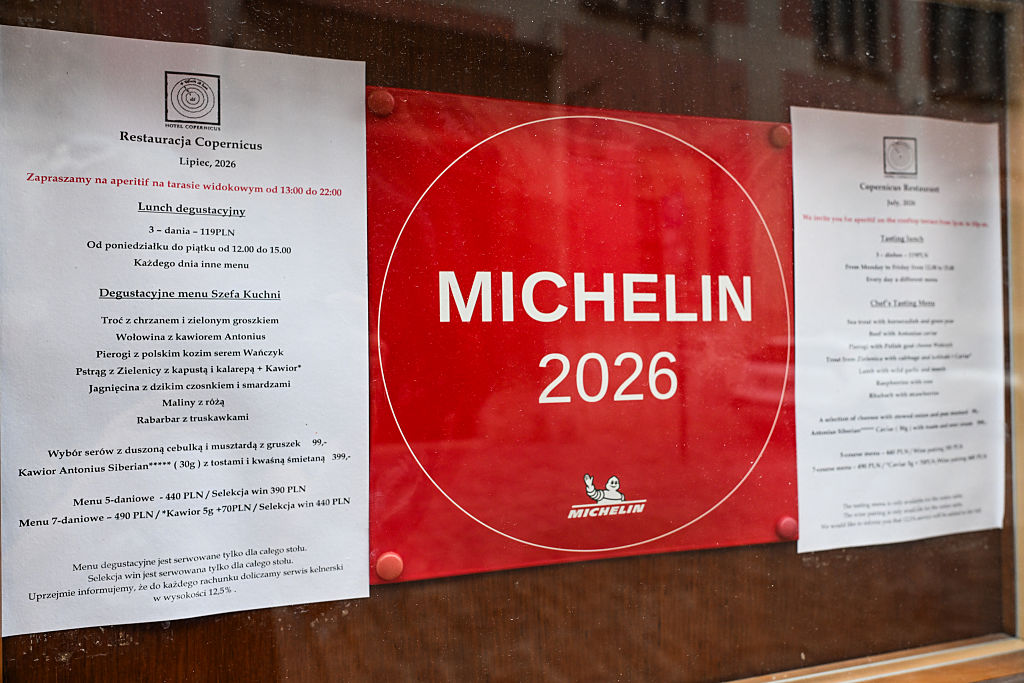
Receiving a Michelin star can significantly increase a restaurant's likelihood of closing within a few years. A 2024 study found that 40% of Michelin-starred restaurants had shut by 2019, compared to roughly 20% of similarly acclaimed non-starred establishments. The star alters the food ecology, with suppliers, vendors, landlords, and staff raising prices and wages to meet the star's expectations.
Fine dining runs on razor-thin margins, and the star's demands often exceed these margins. Chefs who pursue the star often find themselves locked into an inflexible, high-overhead model that stifles their creativity. Michelin, originally a tire company, began awarding stars in 1926, and the guide has since become a symbol of elite dining.
However, the economics of the Michelin star have left many chefs struggling to keep their establishments afloat. A growing number of chefs are rejecting the star in favor of authentic community-driven dining.
Written by urgent.news from Time's reporting — not their text. Machine-written — may contain errors; check the original before relying on it.