The growth effects of natural disasters
I don’t have to tell anyone living in Europe in the summer of 2026 that extreme weather events are becoming more frequent.
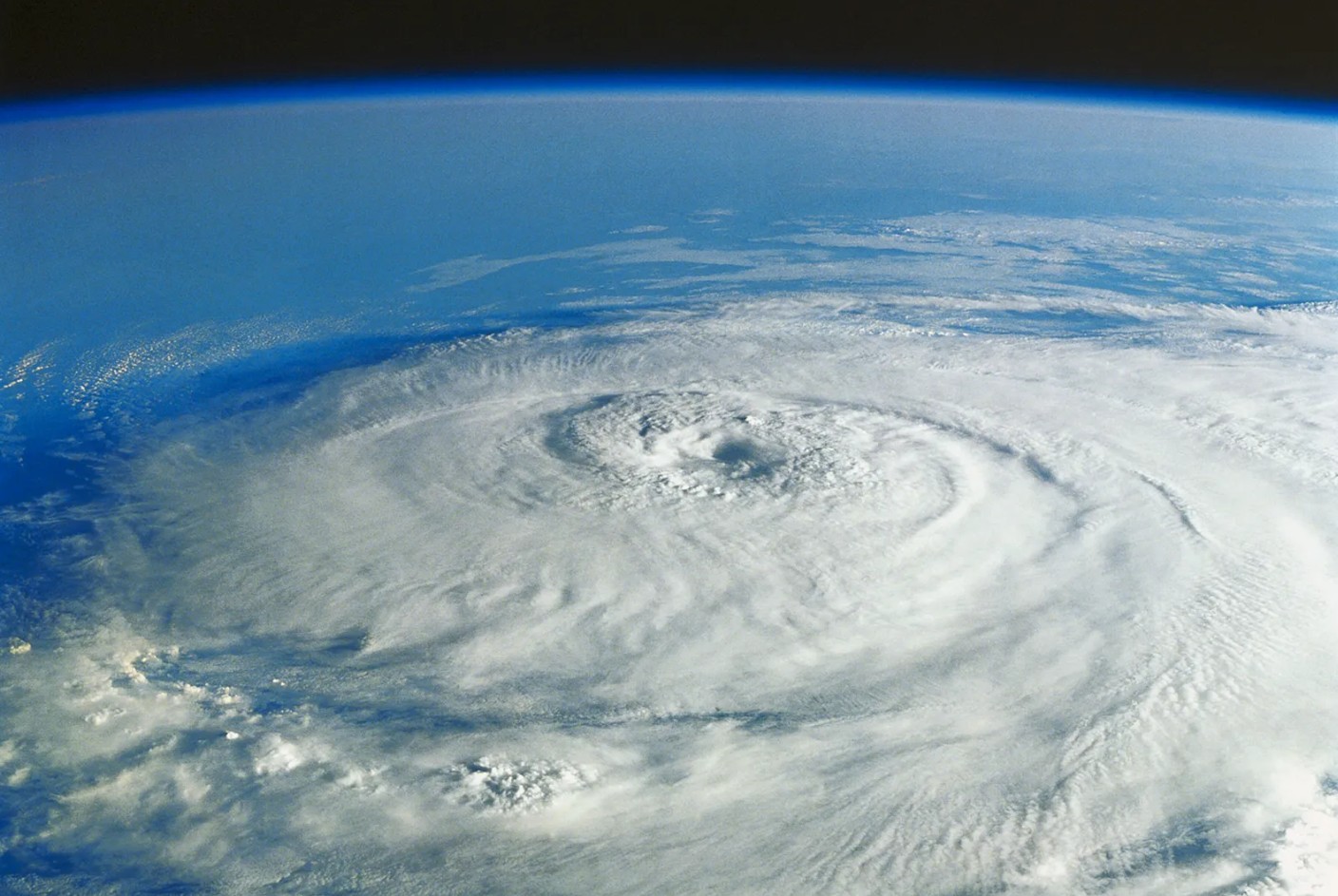
The rapid increase in extreme weather events has become a pressing concern for European nations. A recent study by the International Monetary Fund (IMF) delves into the long-term impact of these events on 12 major European economies, examining their effects up to two years after occurrence. Beyond the immediate aftermath, the research also explores tail risks associated with these disasters.
The analysis covered 196 countries from 1970 to 2023, focusing on the impact of severe windstorms, floods, droughts, heatwaves, and extreme cold on GDP.
The findings suggest that while floods, heatwaves, and cold snaps typically do not significantly affect GDP in the long run, storms (including hurricanes and typhoons) and droughts do have lasting consequences, reducing GDP by 0.1 to 0.2 percentage points on average. Notably, poorer countries exhibit a higher vulnerability, experiencing a larger loss in GDP two years post-disaster compared to wealthier nations.
When considering the most extreme 1% of natural disasters, the long-term impact on GDP can be substantial. The most severe windstorms can lead to a 0.5% decline in economic output even two years after the event. Droughts can cause losses of up to 3.2% in GDP two years after the disaster. These extreme cases highlight the critical importance of investing in climate adaptation and resilience measures, as the costs of doing so may be high, but the costs to society when such disasters strike are many times greater.
Even with a billion-dollar investment in flood defenses or storm protection, the value provided often far outweighs the initial expenditure.
Written by urgent.news from Klement on Investing's reporting — not their text. Machine-written — may contain errors; check the original before relying on it.