The Girl Under the Broken Streetlight
In the heart of Umlazi, beneath flickering streetlights, the future of South Africa hangs precariously in the balance. Students like Thato Dlamini emerge as symbols of resilience, but the nation’s systemic issues demand immediate reform.
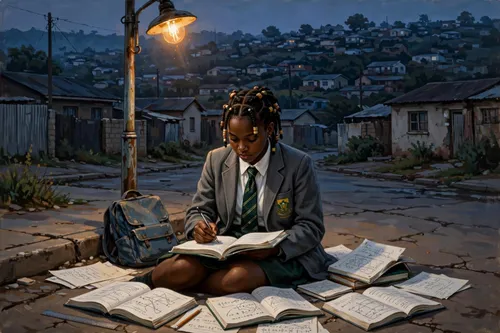
In Umlazi, KZN, Thato Dlamini sits beneath a flickering streetlight, her textbooks spread out before her. Her Grade 12 studies are conducted in the dark, her future hanging in the balance. This scene is not unique to her; it represents the struggle faced by many who live in a country plagued by broken infrastructure and government failure.
Despite paying taxes and tariffs, the girl must rely on streetlight illumination to study for a future that the state repeatedly promises will be important. The cost of living crisis in South Africa is not merely a matter of inflation; it is the result of government inefficiency and broken promises. While economists may see a decline in consumer inflation, the average person feels the increasing cost of essential goods and services.
The rand may strengthen against foreign currencies, but the relief is fleeting as domestic prices continue to rise. The availability of fuel plays a crucial role in the economy, as it powers various sectors such as transportation, agriculture, and industry. However, fluctuations in fuel prices directly impact the cost of everyday items, creating a ripple effect throughout the economy.
Shrinkflation, where products are reduced in size while the price remains the same, is another tactic employed by businesses to maintain profits. This practice exploits consumer habits, as people often overlook the reduced quantities when purchasing products. South African households are burdened with multiple expenses, including taxes, private security, private electricity, water, and healthcare.
The country is essentially practicing double taxation, as citizens pay for services promised by the government and then pay again for the actual services received. Official unemployment stands at 33.6%, with millions of young people facing uncertain futures. The industrial base of the country is deteriorating, with foreign brands taking over and local manufacturers struggling to compete.
While some argue for isolationism, a more balanced approach is needed, with market access accompanied by industrial obligations to ensure the growth and development of local industries.
Written by urgent.news from IOL's reporting — not their text. Machine-written — may contain errors; check the original before relying on it.