Survey finds debt, energy costs top concerns for citizens
ISLAMABAD: Pakistanis are more worried about the country’s ballooning debt and soaring electricity and gas bills than any other issue, according to the first-ever National Citizen Survey 2026 launched on Monday, which found a stark mismatch between public priorities and federal spending. The survey was released at a Citizens’ Roundtable convened here by the Pakistan Institute of Legislative…
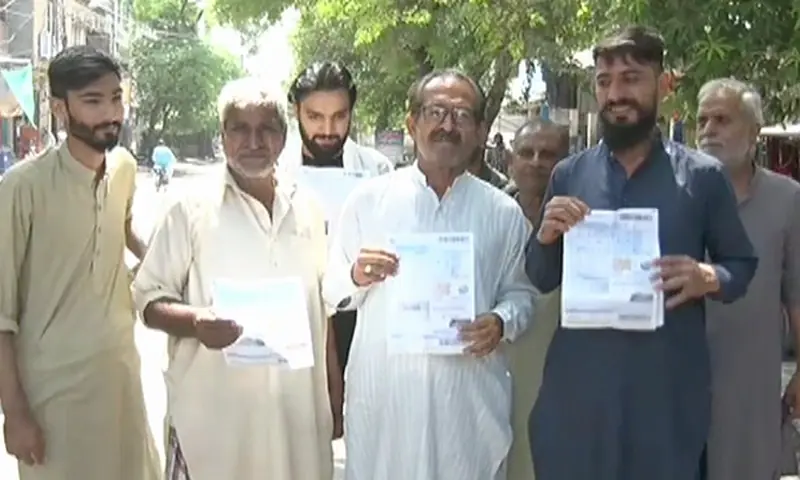
A recent National Citizen Survey in Pakistan has revealed that people are most concerned about the country's increasing national debt and high energy costs, rather than other issues. This finding highlights a significant disparity between what the public deems as priorities and what the federal government is actually spending money on.
The survey, conducted by the Pakistan Institute of Legislative Development and Transparency (PILDAT) and the Institute for Public Opinion Research (IPOR), interviewed 5,155 people across all provinces of Pakistan between August 23 and September 5, 2026.
More than six in ten respondents felt Pakistan's mounting national debt was a grave concern, with 49 percent describing it as "extremely concerning." In contrast, the federal budget allocated only 42.9 percent of its Rs18.771 trillion budget to debt servicing, which exceeds the combined spending on defense, health, education, pensions, and subsidies.
Similarly, only 0.1 percent of the budget is dedicated to health care. This discrepancy was observed across all demographics, including urban and rural populations, as well as different age groups.
When it came to daily life, 19 percent of respondents cited rising electricity and gas prices as the most pressing issue in Pakistan. One-fifth of the respondents also mentioned the steep increase in the cost of everyday goods as a major concern. Unemployment was named as the third most significant problem. The survey revealed that 91 percent of respondents found it difficult to start or run a business in Pakistan today, with high taxes being the primary obstacle.
The survey also indicated a lack of trust in public institutions, with no organization garnering the full trust of citizens. Only 15 percent of respondents had complete trust in Parliament, while the revenue department earned the trust of just 13 percent. The Federal Investigation Agency (FIA) and the National Accountability Bureau (NAB) were viewed favorably, with 33 percent and 23 percent of respondents expressing confidence in them, respectively.
Corruption was a pervasive issue, as 18 percent of respondents said they had personally been asked for a bribe by a government official in the past year. Furthermore, 42 percent of respondents trusted social media more than television for news, and 56 percent blamed the internet for declining social values. A significant percentage of respondents, 79 percent, considered the rise in drug use in Pakistan as "extremely dangerous."
Lastly, 43 percent of respondents believed that reports on Pakistan by foreign-funded NGOs and think tanks were either misleading or driven by a foreign agenda, while only 25 percent saw such reports as fact-based.
Written by urgent.news from Dawn's reporting — not their text. Machine-written — may contain errors; check the original before relying on it.
This story
This is one outlet's version. Read the fullest account.