Strengthening the solar ecosystem
Pakistan should start building a recycling industry for solar panels and batteries now rather than wait for the first large wave of end-of-life equipment to become a waste-management problem. Speaking to Dawn during a recent visit to Pakistan, Global Solar Council (GSC) chief executive Sonia Dunlop said the country’s rapid, largely consumer-led adoption of solar power offered an opportunity to…
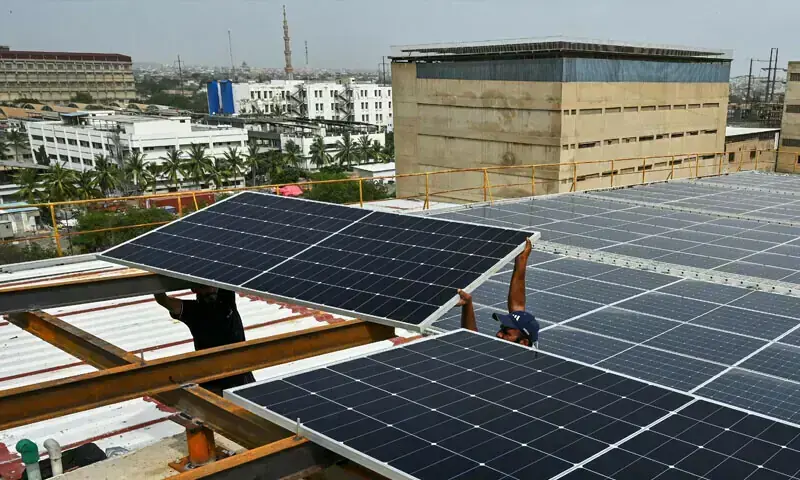
Pakistan should initiate the development of a solar panel and battery recycling industry now, rather than waiting for the accumulation of end-of-life equipment to become a waste management crisis. Global Solar Council (GSC) chief executive Sonia Dunlop highlighted during a recent visit to Pakistan that the country's swift and largely consumer-driven adoption of solar power presents an opportunity for establishing a circular solar and battery economy.
Valuable materials such as silver, polysilicon, and aluminum can be recovered and reused locally. Ms Dunlop emphasized that Pakistan should focus on capturing the value of solar and battery equipment at the end of their life cycle, rather than merely addressing atmospheric pollution with environmental waste issues. Battery recycling, she pointed out, could progress more quickly due to the shorter lifetimes of batteries compared to solar panels.
Lithium-ion batteries, recyclable and containing valuable materials, present a commercial incentive for recovery instead of disposal. The GSC officials described Pakistan as a remarkable example of how rapidly distributed solar can expand when consumers have a strong economic incentive. The country's "solar rush" demonstrates the speed at which an energy transition can occur from the ground up.
However, the rapid expansion has also revealed weaknesses in Pakistan's electricity system, with solar adoption concentrated among those who can afford the upfront cost, leaving poorer consumers reliant on the grid. The next step should be a "solar and battery storage rush," supported by market reforms, time-of-use pricing, and a battery-storage action plan that allows batteries to earn revenue from various grid services.
Distributed solar and battery storage are scalable technologies that can benefit households at various income levels, with small off-grid systems, plug-in solar and storage, and community or shared systems extending benefits to those who cannot finance large rooftop installations. Ms Dunlop believes that existing solar consumers should not be viewed as imposing a cost on other electricity users, as their generation reduces demand on the grid.
The bigger challenge lies in integrating millions of distributed solar systems into an already financially strained electricity network. The GSC is developing a tool for grid operators to simulate future electricity systems with high shares of distributed solar and storage, helping determine how networks can meet demand throughout the year.
Pakistan will also require concessional financing from multilateral development banks to modernize its grid.
Written by urgent.news from Dawn Business's reporting — not their text. Machine-written — may contain errors; check the original before relying on it.