Scientists call for ‘emergency’ measures to save sea life from El Niño
Reducing fishing quotas, rescuing endangered species from the water and testing geoengineering could help soften ocean heat impacts from the record El Niño, some oceanographers argue
Top marine scientists have urged aggressive measures to safeguard ocean life amid the most powerful El Niño ever, which is heating the seas to unheard-of levels. In a paper sent to governments worldwide, they propose a range of emergency actions, from relocating endangered species to experimenting with geoengineering. According to Michael Meredith of the British Antarctic Survey, "We shouldn’t just cry into our beer about it.
We should actually try and do things about it." The super El Niño, driven by a 150-year accumulation of global warming, could cause sea surface temperatures to surge 4°C above average in the eastern Pacific – 60% higher than the previous record. This extreme heat is already fueling the hottest month in ocean history, with consequences that could drive some ecosystems and keystone species to collapse.
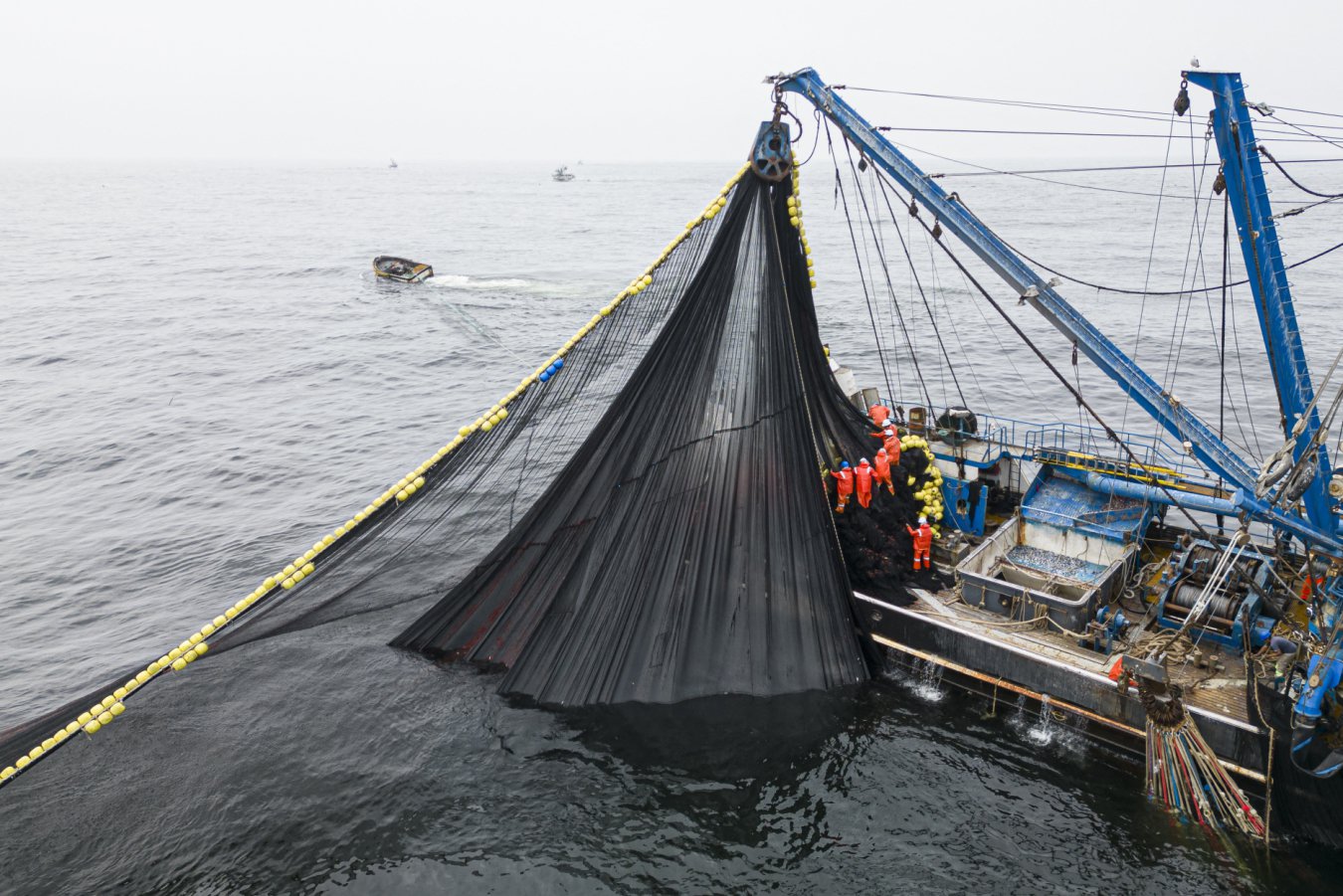
The scientists recommend curtailing fishing to let depleted fish and shellfish populations recover and protecting predators that keep kelp forests healthy. They also propose temporary "rescue missions" to move endangered marine specimens to protected environments until temperatures subside. One such experiment involved moving 25 Tasmanian red handfish to tanks during the 2023-2024 El Niño, later releasing them back into the wild.
Other potential interventions include localized geoengineering techniques such as spraying seawater into low clouds or deploying artificial upwelling systems that bring cold, nutrient-rich water to the surface. Artificial shade structures and probiotic microbes could also help protect and boost coral health. However, researchers caution that these short-term fixes cannot replace long-term solutions like reducing fossil fuel emissions and expanding marine protected areas.
The looming El Niño could spell disaster for ocean life, but it also presents a unique opportunity to test geoengineering techniques on a small scale, providing valuable insights for future climate interventions.
Written by urgent.news from New Scientist's reporting — not their text. Machine-written — may contain errors; check the original before relying on it.