Plastic bottle to cookie: NASA-backed scientists create food for future Mars trips pls take this
Researchers are transforming plastic bottles and farm waste into edible proteins and vitamins. Genetically engineered yeast breaks down these materials into useful food components. This innovative NASA-backed project aims to address global food scarcity and plastic pollution. The resulting edible product, nicknamed microbites, is shaped into small cookies. Scientists anticipate this technology…
Scientists have developed a novel method to create edible food from plastic waste, potentially addressing two global crises simultaneously: plastic pollution and food scarcity. This innovative approach employs genetically engineered yeast to transform compounds from plastic and agricultural waste into edible proteins, vitamins, and flavor compounds.
The project, backed by NASA's Deep Space Food Challenge, aims to develop technologies for plastic upcycling and ultimately convert trash into food ingredients. By using microbes, the team can break down plastic, specifically PET, the material found in most soda and water bottles, into simpler molecules that can then be utilized by yeast strains to produce various useful compounds.
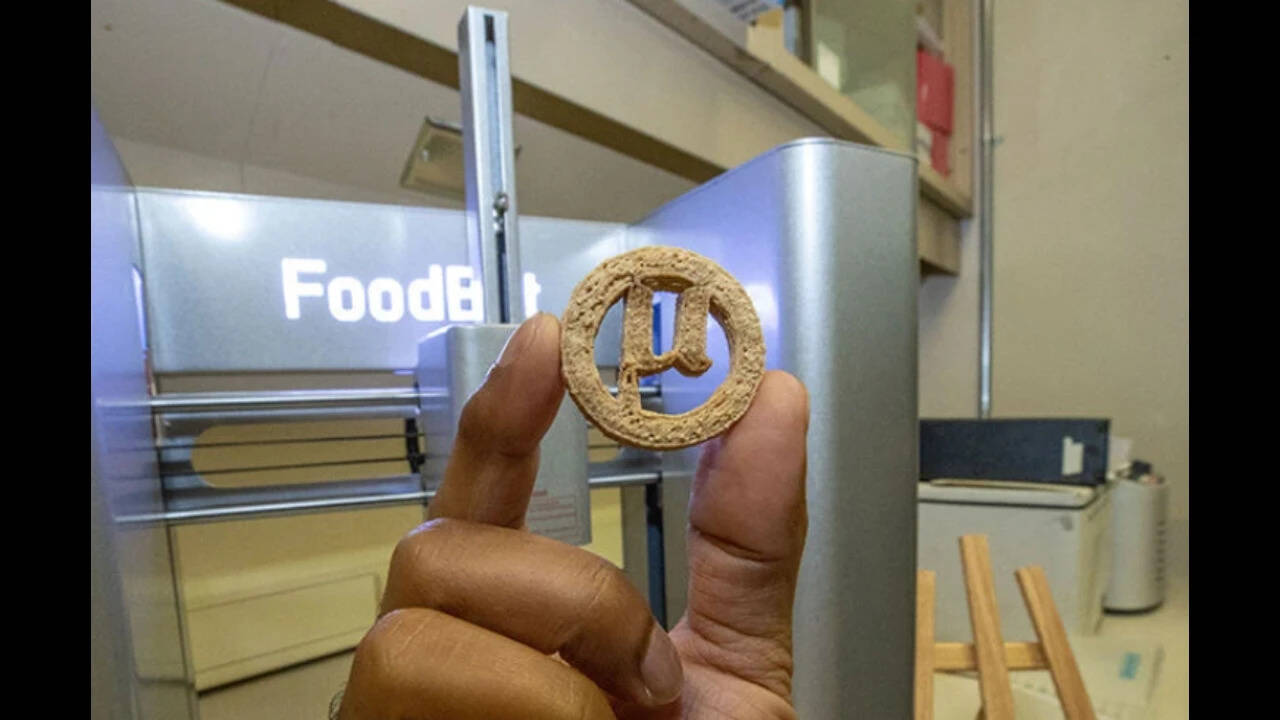
The final product, called µBites or microbites, is a vanilla-flavored, vitamin-A-rich cookie-like substance produced through a 3D food printer. The researchers, led by Associate Professor Lahiru Jayakody at Southern Illinois University, believe that this technology could be ready for real-world applications within a few years, benefiting various settings, from disaster zones to future settlements on the Moon or Mars. The main goal is to make efficient use of plastic while simultaneously combating food insecurity.
Written by urgent.news from Times of India's reporting — not their text. Machine-written — may contain errors; check the original before relying on it.