Our healthcare boom hides a public-system deficit
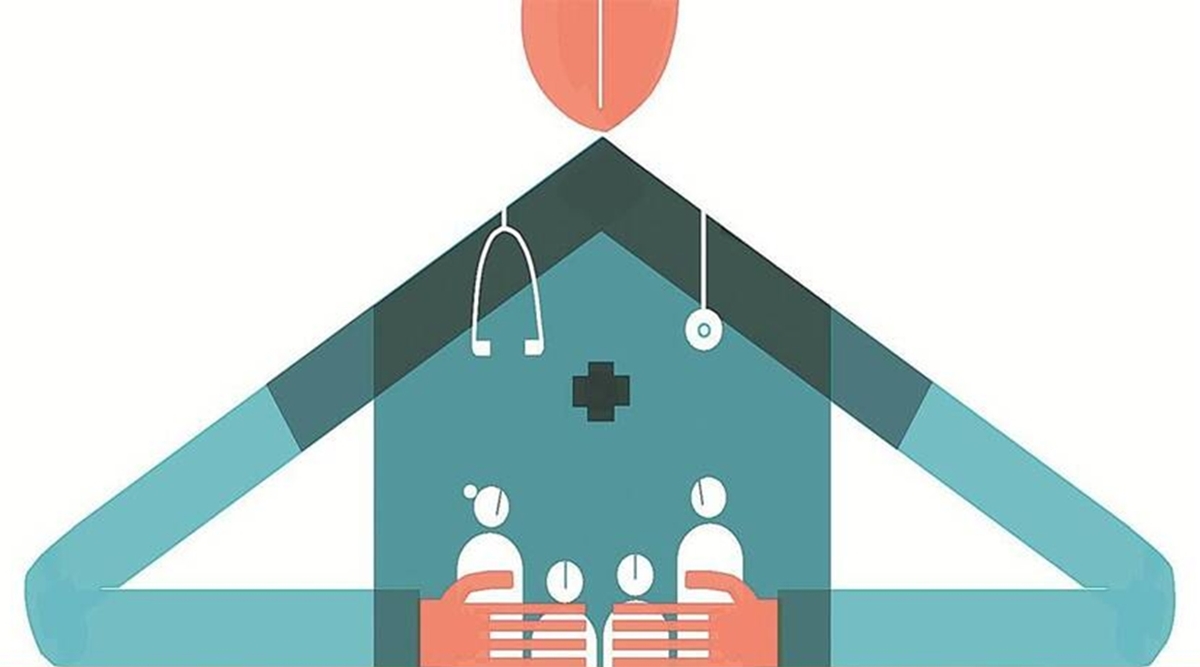
India's healthcare boom since 12 years of BJP rule is often measured by the number of hospitals built, Ayushman cards issued and medical seats created. However, a crucial indicator may be the 1.43 per cent government health expenditure as a share of GDP in 2022-23, falling short of the 2.5 per cent target set by the National Health Policy 2017.
Despite expanding medical colleges, AIIMS footprint, and world's largest publicly funded health insurance programme, Ayushman Bharat, the Parliamentary Standing Committee on Health and Family Welfare reveals a system struggling with basic capacity, affordability and regulation. Medical education has expanded with 818 colleges and 128,875 undergraduate seats, but shortages of specialists in rural centres and a lack of infrastructure persist.
Private and PPP models in medical education raise concerns about regulation and the integrity of the healthcare system. Private hospitals charge significantly more than government hospitals for similar services, while Ayushman Bharat provides financial protection but does not control treatment prices. Despite substantial out-of-pocket expenditure reduction, it still accounts for 43.4 per cent of total health expenditure, leaving 40 crore Indians outside comprehensive financial protection.
The healthcare architecture must find a balance between investing in capacity, affordability, and regulation to ensure universal healthcare accessibility.
Written by urgent.news from The Indian Express's reporting — not their text. Machine-written — may contain errors; check the original before relying on it.