OpenRGB 1.0 brings a major update to universal RGB control
Managing RGB hardware from different brands often means installing several separate utilities, which is exactly what OpenRGB aims to avoid by controlling compatible lighting from one application. Version 1.0 marks a major step forward with support for more devices, a redesigned profile system, background service operation, including PawnIO and Qt6. Read Entire Article
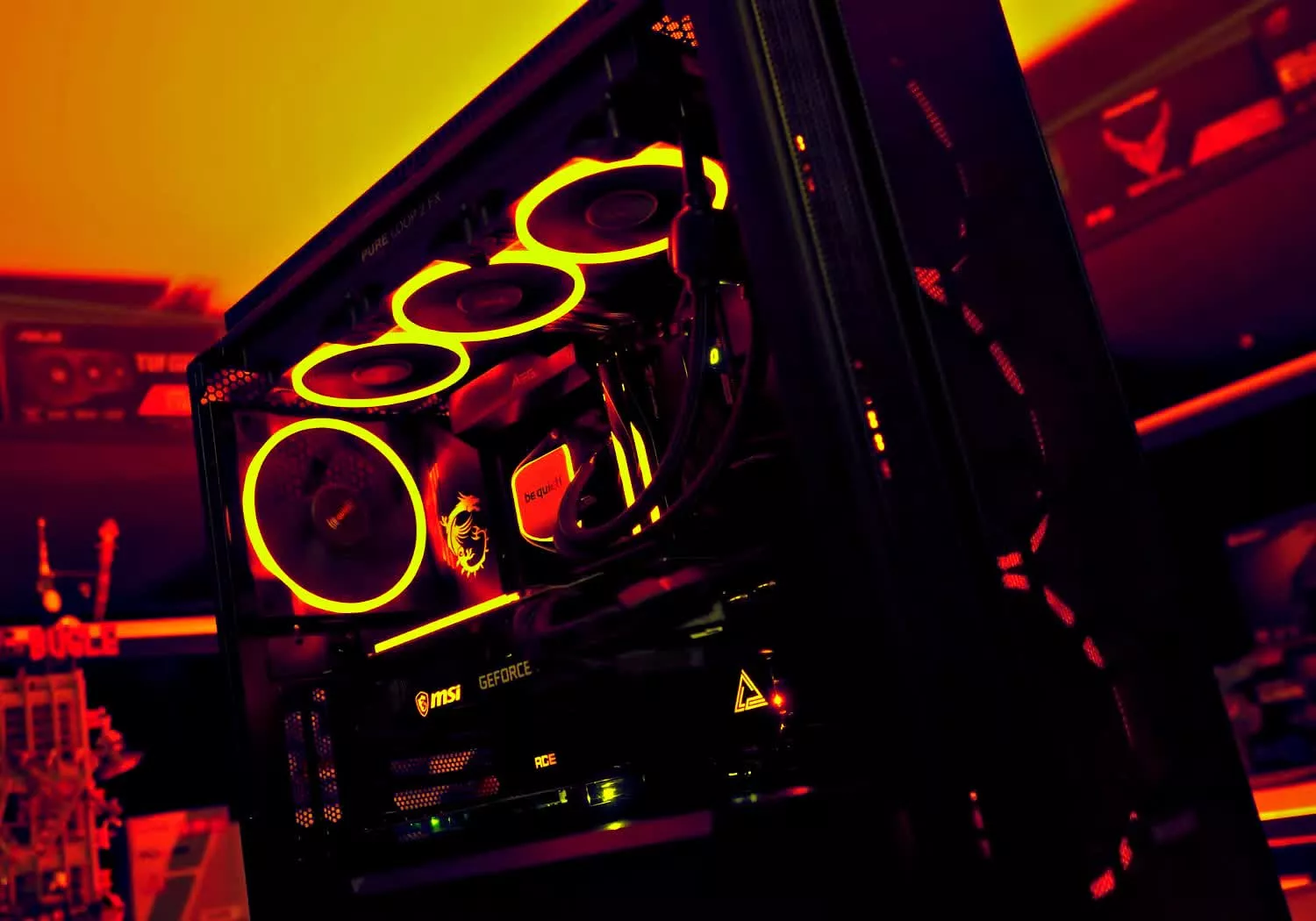
RGB lighting control has long suffered from a fragmented software ecosystem, with each manufacturer offering their own app and proprietary approach. This leads to conflicting apps consuming system resources, requiring online accounts, and being limited to Windows. OpenRGB aims to change this by providing a single, universal app for controlling all RGB devices on Windows and Linux.
The new release, OpenRGB 1.0, brings a lightweight user interface that minimizes background resource usage, ensuring optimal system performance for gaming and productivity. Developed under the GNU General Public License version 2, OpenRGB is open source, allowing developers to contribute new device support through its flexible RGB hardware abstraction layer.
Currently supported on Windows, Linux, and macOS, OpenRGB has been tested on various processors, including Arm mini-PCs like the Raspberry Pi. OpenRGB offers a network-based Software Development Kit, enabling third-party applications such as game integrations, music visualization, and ambient lighting control. The open source nature of OpenRGB facilitates the creation of plugins that can enhance its functionality without requiring external software.
Existing plugins include an effects engine, an E1.31 data receiver, and a visual layout editor. However, note that OpenRGB 1.0 RC requires the PawnIO driver on Windows for full functionality. Linux users receive the updated hidapi-hotplug dependency with the .deb or .rpm packages. OpenRGB 1.0 marks nearly three years of development since the 0.9 release and a year of core reworks following the 1.0rc2 release candidate.
Written by urgent.news from TechSpot's reporting — not their text. Machine-written — may contain errors; check the original before relying on it.