O Brexit depois do Brexit: esses três países querem deixar o UK
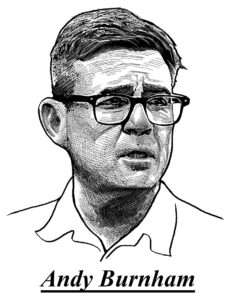
“Andy Burnham agora deve estar se acostumando com a ideia de que ele ficará na história como o último primeiro-ministro do Reino Unido,” disse o primeiro-ministro da Escócia, John Swinney, ao comentar a proposta de que seu país, a Irlanda do Norte e Gales se separem do Reino Unido. O que antes parecia apenas um […] The post O Brexit depois do Brexit: esses três países querem deixar o UK appeared…
Three countries - Scotland, Northern Ireland, and Wales - are now actively pursuing independence from the United Kingdom, according to a recent agreement signed in Cardiff. Scottish First Minister John Swinney, Irish First Minister Michelle O’Neill, and Welsh First Minister Rhun ap Iorweth all signed the memorandum of understanding, signifying a significant shift in the relationship between these nations and Westminster.
The meeting came shortly after a proposal by former UK Labour Party leader Andy Burnham for another Scottish independence referendum was suggested to parliament, should there be a "clear consensus" for it. Burnham's suggestion stems from his origins in Manchester, having been close to Scottish constituents and issues affecting them.
The Brexit phenomenon has transformed the relationship between the UK and these three countries. With Scotland and Northern Ireland voting against leaving the European Union, the anti-British sentiment has grown in local legislatures. Scotland's Scottish National Party (SNP) has gained considerable power in the last decade, while Northern Ireland's Sinn Féin, known for its anti-British and pro-unification Irish stance, came to power in 2024.
Nicoli points out that the Scottish government can now argue the situation has substantially changed since the 2014 referendum, where independence would mean leaving the EU at the time. In Northern Ireland, where support for remaining in the UK has been dwindling for some time, the majority may vary.
For Wales, the issue was resolved in the recent election when the Plaid Cymru party, led by Rhun ap Iorweth, ended decades of Labour Party dominance and formed a nationalist government aligned with Scotland and Northern Ireland. The signed memorandum predicts that the three countries will join the EU after gaining independence, expressing the belief that their nations' futures lie within the European Union.
They wish to work together to rebuild and strengthen these European relationships, aiming for greater trade, investment, cultural, and cooperation opportunities.
However, the path to independence varies for each country. While Northern Ireland has the right to hold a referendum, Swinney aims to hold a vote on the matter in Scotland before 2031, subject to London's consent. Gaining this power for Wales is more complicated, as the Welsh government does not currently have the authority to hold referendums on independence. But the Welsh premier has pledged to pursue this prerogative after the meeting.
Nicoli suggests that the growing influence of the Reform UK party, led by Nigel Farage, and the lack of codified British legislation contribute to this movement. The party's rise presents a negative signal for these nations, fearing being sidelined. Additionally, the lack of codified British law brings legal uncertainty to these countries, further fueling this movement.
Written by urgent.news from Brazil Journal's reporting — not their text. Machine-written — may contain errors; check the original before relying on it.