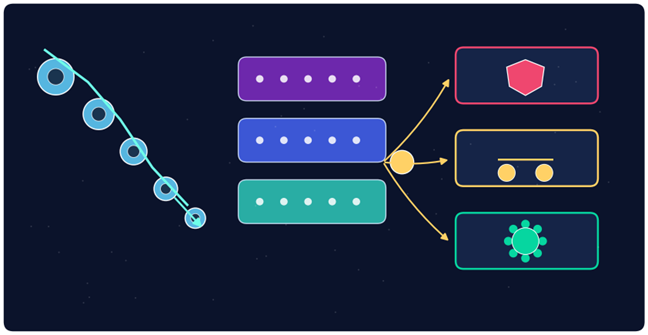
Next step:Filtering and joins
Once you are comfortable with basic select statements, your next step is now combining data using joins and narrowing it down(fitering) to exactly what you need using statements like order by , group by and the sort. JOINS You can have multiple tables in your database eg Customers table and orders table both from the same parent data. Now customers table holds customers info while orders table…
After mastering basic SELECT statements, the subsequent step involves combining data via joins and filtering it to obtain the desired results using commands such as ORDER BY, GROUP BY, and SORT. JOIN operations allow combining multiple tables in a database, for instance, the Customers table and Orders table, both originating from the same source data.
A data analyst can extract related data between the two tables using JOIN operations in an SQL query. However, for this to occur, there must be a common column between the tables. This article will delve into the five major JOIN types in SQL, filtering techniques, and aggregation with HAVING.
Written by urgent.news from Dev.to's reporting — not their text. Machine-written — may contain errors; check the original before relying on it.