NDPC calls for accountability over preventable maternal deaths
The Chairman of the National Development Planning Commission (NDPC), Dr Nii Moi Thompson, has called for stronger accountability in Ghana’s efforts to reduce maternal deaths, describing preventable fatalities during pregnancy and childbirth as failures that require immediate action. He said maternal survival should be treated as a key indicator of the effectiveness of the country’s […]
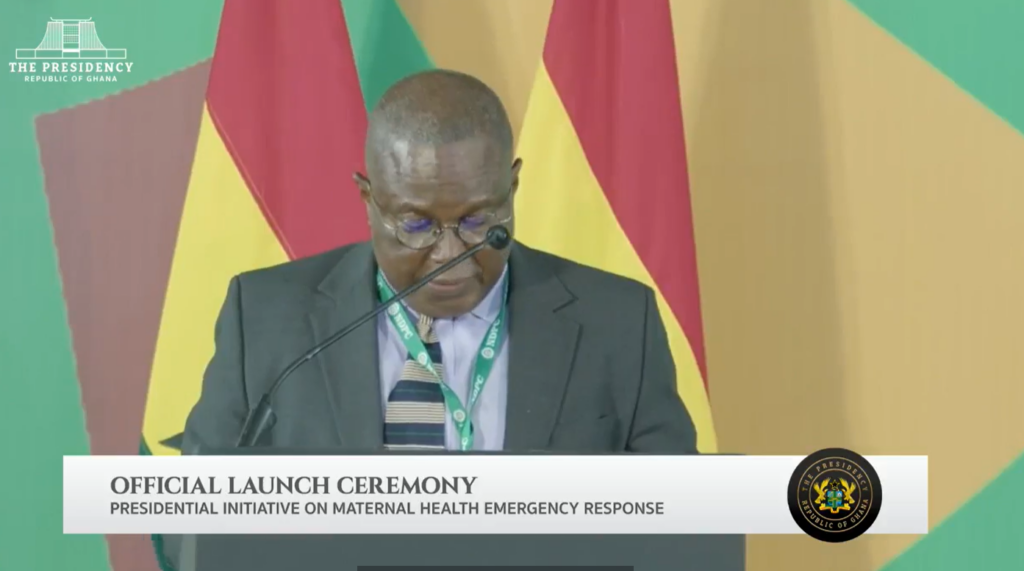
The National Development Planning Commission (NDPC) has urged for greater accountability in Ghana's approach to reducing maternal deaths, describing such fatalities as preventable failures that demand immediate action. Speaking at the launch of the Presidential Initiative on Maternal Health Emergency Response (PRIMER) on September 14, 2026, NDPC Chairman Dr Nii Moi Thompson emphasized that maternal survival must be seen as a critical measure of the effectiveness of Ghana's healthcare system and its dedication to safeguarding women, families, and future generations.
Dr Thompson argued that Ghana should move away from viewing maternal deaths as an inevitable aspect of childbirth, instead aiming to create a system that promises pregnant women prompt, respectful, and high-quality care. He stressed that preventable maternal deaths should be treated as failures necessitating learning, rectification, and prompt action.
According to the NDPC Chairman, PRIMER is timely given that Ghana's progression in lowering maternal mortality remains sluggish, underscoring the need for persistent political backing, improved coordination, and clear accountability. President John Dramani Mahama had previously highlighted the issue during the launch of Ghana's 2025 Voluntary National Review Report on Sustainable Development Goals, describing the country's stagnation in maternal health outcomes as unacceptable.
Dr Thompson stressed that maternal mortality is a multifaceted issue, influenced not just by the health sector but also by factors like transportation, public financing, infrastructure, education, social protection, and household decision-making. He called for a unified effort involving government bodies, health facilities, communities, civil society organizations, the private sector, traditional authorities, and religious leaders in addressing maternal health outcomes.
The NDPC Chairman appealed to leaders at all levels—from central government to regional and district authorities to individual health facilities—to take responsibility for maternal health outcomes. He urged them to demonstrate leadership not only at the presidential or health ministry level but throughout government, across regions and districts, within health facilities, and across sectors whose decisions ultimately impact women's health.
Dr Thompson also advised traditional and religious leaders to counter misinformation, stigma, and misconceptions that often deter women from seeking timely medical care. Communities must be empowered to recognize pregnancy-related warning signs early and seek professional help promptly, while health facilities must possess the capacity to handle emergencies effectively.
The effectiveness of PRIMER would ultimately be evaluated based on whether government pledges are supported by sufficient funding, timely implementation of plans, and institutions assuming responsibility for outcomes. Dr Thompson highlighted maternal healthcare as a crucial element of Ghana's human capital development, warning that avoidable maternal deaths have wide-ranging repercussions for families and the national economy.
He cautioned that when women face avoidable risks during childbirth, families lose caregivers and income earners, and children start life without the care and security provided by their mothers.
The PRIMER launch coincides with renewed calls for urgent action on Ghana's maternal mortality situation, with the United Nations Population Fund (UNFPA) also describing preventable maternal deaths as a systems failure necessitating stronger accountability.
Written by urgent.news from Adom Online's reporting — not their text. Machine-written — may contain errors; check the original before relying on it.