NATO prevented Russia from cutting a critical undersea cable using a tool that leaves no 'traceable fingerprints' on fibre-optic wires — 1,400km long lines are part of NASA's Near Space Network
NATO allies disrupted a Russian Arctic exercise involving a secret device reportedly designed to damage vital undersea cables without leaving evidence.
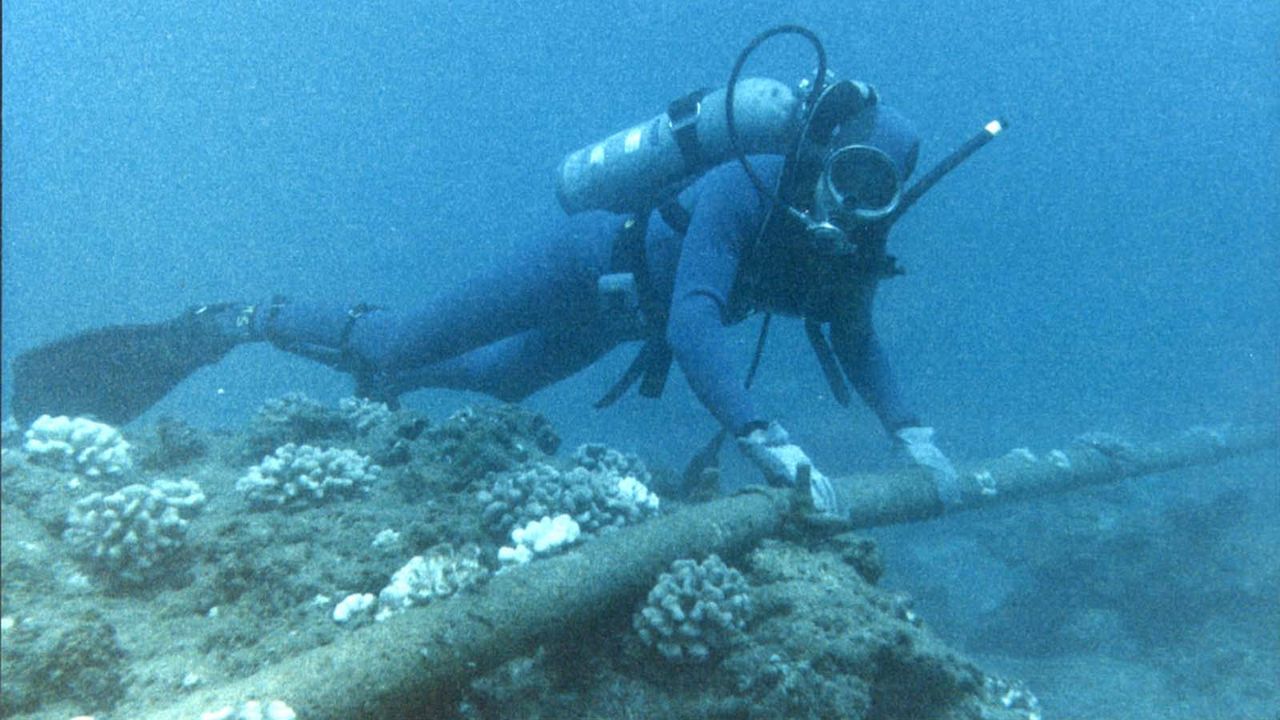
NATO took action to prevent Russia from deploying a covert device that could damage undersea communication cables during a recent exercise near Svalbard. Two 1,400km fiber-optic cables connect Svalbard with mainland Norway, supporting data transfers between the Arctic territory, Norway, and NASA's Near Space Network. Russian submarines rehearsed attacks on these subsea communications infrastructure, which could leave little physical evidence behind.
British, Norwegian, and American forces intercepted Russian vessels linked to Russia's deep-sea research directorate, but no cables were damaged. The device, developed by the Russian military organization GUGI, could cut communications lines while leaving minimal traces to connect Moscow to the incident. The confrontation occurred near Svalbard, where the cables extend for approximately 1,400km and descend to about 2,700 meters below the surface, carrying about 99% of Britain's international telecommunications and data traffic.
Norway is developing another connection involving Svalbard and Jan Mayen, with completion expected by 2028. NATO's concern about this capability stems from Russia's potential to expand covert disruptions against critical infrastructure across Europe. CIA Director John Ratcliffe recently visited Moscow to discuss these escalating sabotage activities.
While Russia has denied accusations of conducting sabotage in NATO countries or seeking direct military confrontation with the alliance, Norway is firm in its stance that any attempt to target their critical infrastructure will be detected and met with consequences.
Written by urgent.news from TechRadar's reporting — not their text. Machine-written — may contain errors; check the original before relying on it.