Nafisa Ali Sodhi’s cancer treatment has changed to targeted therapy: ‘PET/CT suggests ovarian/peritoneal cancer has progressed’
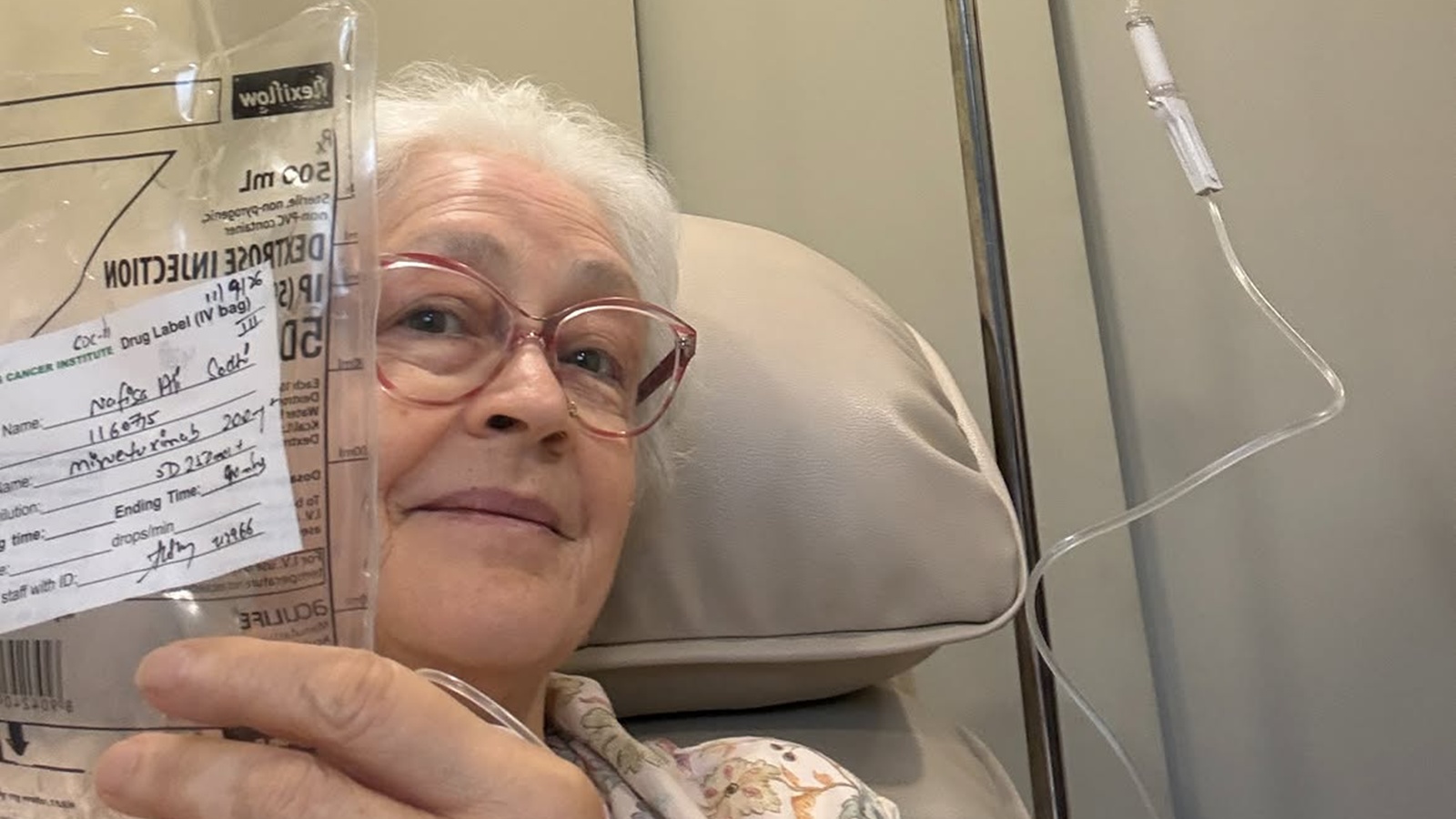
Actor Nafisa Ali Sodhi recently announced a change in her cancer treatment protocol, opting for targeted therapy instead of chemotherapy. In an Instagram post, she stated, "My treatment protocol has changed, and now I have been put on Targeted Therapy… fighting the good fight." The PET/CT scan, however, suggests that her ovarian/peritoneal cancer has progressed, with new deposits detected on the liver's surface.
Dr Puneet Gupta, Chairman of Oncology Services at Asian Hospital, explained that chemotherapy and targeted therapy function differently. While chemotherapy targets rapidly dividing cells broadly, targeted therapy focuses on specific molecular changes or pathways that enable cancer cells to grow and thrive. To determine eligibility for targeted therapy, doctors consider factors like the type and stage of cancer, its response to previous treatments, side effects, and the patient's overall health.
A progression in cancer does not necessarily mean the disease has worsened; it indicates that the cancer has grown or new areas of disease have appeared despite treatment. In the case of ovarian cancer, new deposits on the liver's surface may indicate further spread within the abdominal cavity. It's crucial to understand that a PET/CT scan, while informative, does not solely determine the cancer's stage and does not automatically dictate the next treatment course.
Written by urgent.news from The Indian Express - Lifestyle's reporting — not their text. Machine-written — may contain errors; check the original before relying on it.