’Musk’ director wants viewers to reclaim power from ’tech oligarchs’
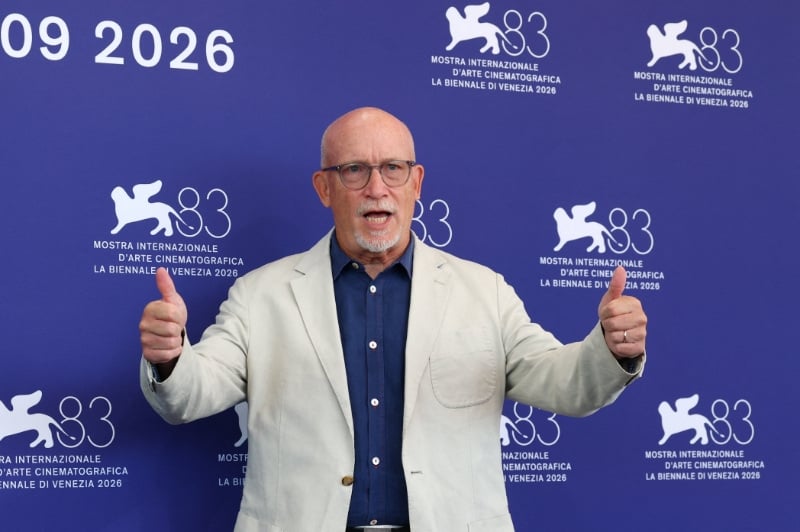
Documentary filmmaker Alex Gibney's new film, Musk, delves into the immense influence wielded by tech magnate Elon Musk, aiming to provoke conversations about challenging the authority of tech oligarchs, according to Gibney. The Oscar-winning documentarian unveiled the film at the Toronto International Film Festival during its North American debut. Gibney commenced the documentary before Donald Trump's second presidential term and broadened its focus following Musk's close association with Trump.
The original film ran for roughly two hours, but Gibney extended it to nearly four hours after Musk's endorsement of Trump. Gibney expressed hope that the documentary would ignite discussions not just within the United States but globally, encouraging citizens to reclaim power from these tech oligarchs who aspire to dominate the world for themselves.
Musk's narrative spans his beginnings during the dotcom era, acquisition of a $1 million McLaren, ascent to the CEO positions of Tesla, SpaceX, and Twitter, ultimately making him the wealthiest individual globally. Interviews are included from Musk's father, Errol Musk, the former Tesla CEO Martin Eberhard, and Ashley St. Clair, Musk's ex-partner and mother of one of his numerous children.
Gibney's film probes the concept of absolute power corrupting, or alternatively, revealing one's true character. The documentary poses the question of whether Musk would inevitably follow this trajectory or if the power ultimately corrupted him. Musk has lambasted Gibney on his social media platform X, labeling the film a "false film" and threatening legal action. Gibney affirmed that the team performed meticulous fact-checking and a thorough legal review. Musk, contacted via SpaceX, declined to comment on the matter.
Gibney, who previously investigated the Enron energy company collapse and Scientology, claims tech CEOs are assuming villainous roles within an "ultimate pay-to-play presidency," disregarding federal regulations and accumulating influence that diminishes the role of democratic oversight. The primary challenge for Gibney was to highlight the breadth of Musk's governmental power and the recklessness and lack of accountability associated with it.
The filmmaker expressed concern that this aspect of the film is the most troubling. Musk did not respond to Gibney's attempt for an interview for the documentary, but instead, a simulated Musk, portrayed in a leather jacket, slicked-back hair, and seated in a futuristic room with red and blue lighting, features in the film. This simulation is based on a database of Musk's public statements and comments.
Written by urgent.news from Investing.com's reporting — not their text. Machine-written — may contain errors; check the original before relying on it.