Malaysia’s space ambitions start with changing public mindset, says Planetarium Negara director
KUALA LUMPUR, Sept 15 — Malaysia’s ambitions in the space sector may begin not with rockets or satellites, b...
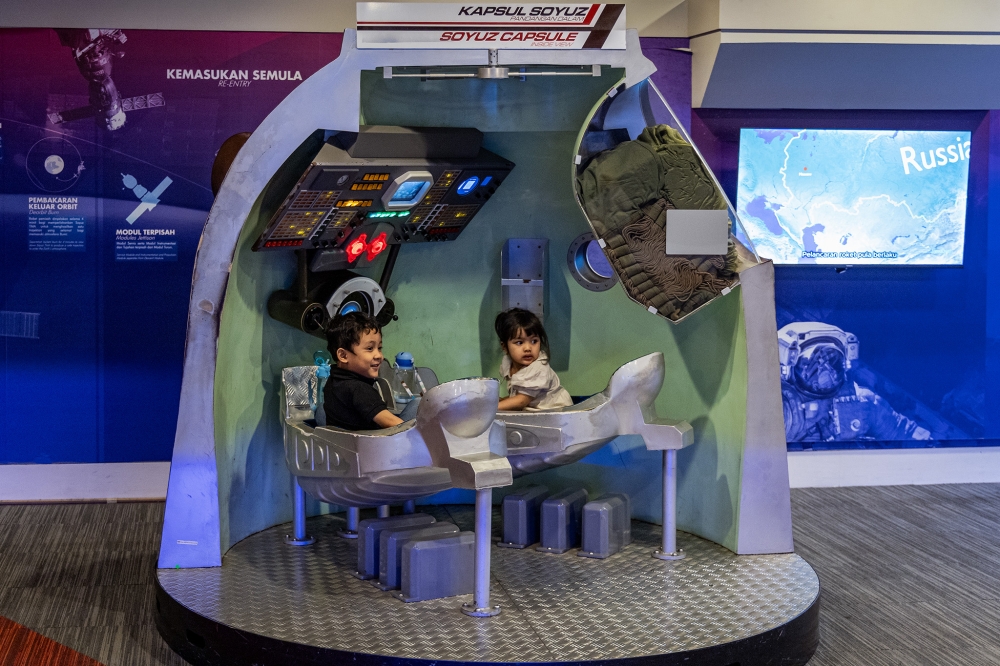
KUALA LUMPUR, Sept 15 — Malaysia’s aspirations in the space sector may not start with rockets or satellites, but rather with changing the public's perception and understanding of space. Planetarium Negara director Mohd Zamri Shah Mastor emphasized that before Malaysia can develop a flourishing space economy, it must first nurture a public that comprehends, accepts and is prepared for it.
"Having a planetarium in the area is crucial for investors," he said in an interview with Malay Mail. "When they see a planetarium, it gives them confidence that people there know about space and have at least some knowledge of the sector." He recalled how previous plans for a rocket launch pad in Malaysia faced local opposition, largely due to a lack of understanding about the concept.
Today, Malaysia is on track to become the first Southeast Asian country with its own rocket launch pad by 2029, thanks to its location along the Equator, which offers a distinct advantage in terms of efficient launches and reduced fuel costs. Planetarium Negara's role extends beyond inspiring curiosity, as the presence of planetariums can instill confidence in potential investors that communities understand and are likely to embrace space-related projects.
Mohd Zamri Shah noted that investors are confident when people are knowledgeable about space and might find experts to accelerate their space-related programs, making the right investment here in Malaysia. The institution faces significant challenges in achieving this impact. The majority of its operating expenditure goes towards maintenance, with content development being the most expensive aspect.
Despite the decreasing cost of technology, developing content and coming up with ideas remains the most expensive part. Mohd Zamri Shah acknowledged that failing to keep up with evolving technology could leave Planetarium Negara behind, but stressed the importance of considering practical challenges such as vandalism when upgrading exhibits.
He agreed that if they don't upgrade and stay current, the planetarium risks being left behind. To incorporate new technologies into the exhibits, they must address issues like vandalism, which can easily damage or wear out newer equipment. Mohd Zamri Shah's vision for Planetarium Negara's future is "transformation." He emphasized that success is not solely measured by the number of visitors but by the change in people's mindset about space.
People who have some knowledge about space can become more involved, while those without any knowledge can develop an interest and potentially pursue careers in the field. The planetarium was established to prepare Malaysians' minds for venturing into space, given the country's lag in space technology and exploration. While the cost and challenges are significant, Mohd Zamri Shah believes the ultimate goal is to create a homegrown space industry and a new economic opportunity for Malaysia.
He hopes the mindset cultivated today will eventually lead to Malaysians selling satellites and rockets, marking the beginning of a new economy.
Written by urgent.news from Malay Mail's reporting — not their text. Machine-written — may contain errors; check the original before relying on it.