Lessons Nairobi can learn from Beijing’s traffic tech
NAIROBI, Kenya, Sep 14 – From cameras that detect violations to systems that understand how a city moves, China is demonstrating what happens when transport data is treated as urban…
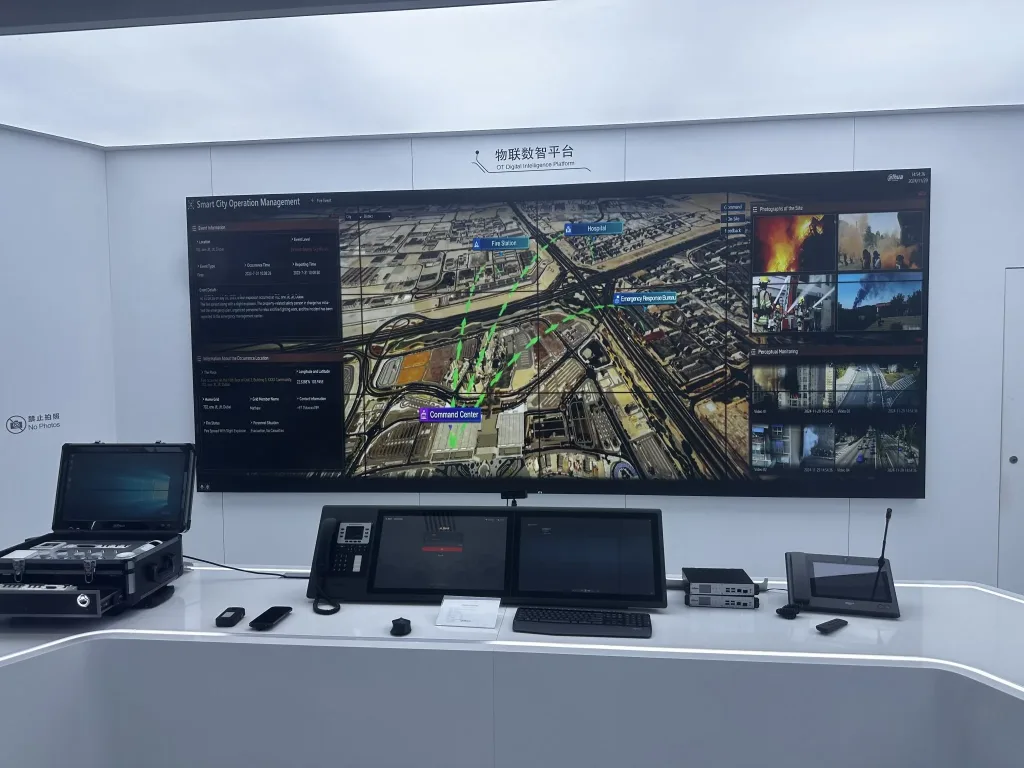
NAIROBI, Kenya, Sep 14 – In a rapidly urbanizing world, transportation systems face increasing complexity and strain. While Nairobi's traffic management is often seen as a struggle between vehicles, road space, human enforcement, and unpredictable congestion, Beijing has taken a markedly different approach. The Chinese capital is constructing a sophisticated traffic-management architecture where roads, signals, cameras, sensors, data platforms, and artificial intelligence function as an integrated system.
As Beijing's traffic technology continues to evolve, Nairobi stands to learn valuable lessons from the Chinese capital's experience.
China is using advanced technology to transform traffic management, from cameras detecting violations to systems analyzing city-wide traffic patterns. In Nairobi, traffic management remains a battlefield of vehicles, limited road space, manual enforcement, and growing congestion. Beijing's approach emphasizes treating traffic data as an essential urban infrastructure. This focus on data integration is a crucial lesson for Nairobi, as the city's current fragmented transportation systems hinder effective traffic management.
At Dahua Technology in Hangzhou, a recent visit highlighted the shift from traditional surveillance to intelligent visual sensing. Dahua's AI-enabled cameras can recognize vehicles, number plates, traffic violations, and road incidents. This progress goes beyond simple object recognition, with AI systems now able to understand traffic scenes and support autonomous decision-making.
For Nairobi, this technology could transform traffic enforcement by identifying potential violations and directing them to a control centre for verification, allowing officers to focus on complex decision-making.
Perhaps the most significant development in Beijing's traffic management is dynamic traffic control. The city's 2025 traffic plan includes connected traffic signals and dynamic optimisation, with over 7,000 networked traffic lights and 350 "green wave" roads. Beijing's AI signal-control pilot in the Chaoyang Road and Wangjing areas demonstrates how real-time traffic conditions can inform signal-control strategies.
This shift from predetermined timings to real-time analysis represents a revolutionary change for Nairobi, where integrating existing infrastructure could create a unified traffic management system, allowing traffic officers to see not only congestion but also its root causes and potential interventions.
Written by urgent.news from Capital Business's reporting — not their text. Machine-written — may contain errors; check the original before relying on it.