Japan eyes quantum sub-hunting drone sensors as China extends undersea reach
Japan is looking to develop submarine-detecting quantum sensors for aerial drones, the latest move in a growing undersea competition pitting China against the United States and its allies across the Indo-Pacific. Released in late August, Tokyo’s defence budget request for fiscal 2027 includes research into a smaller, more capable quantum magnetic sensor, a technology that uses the properties of…
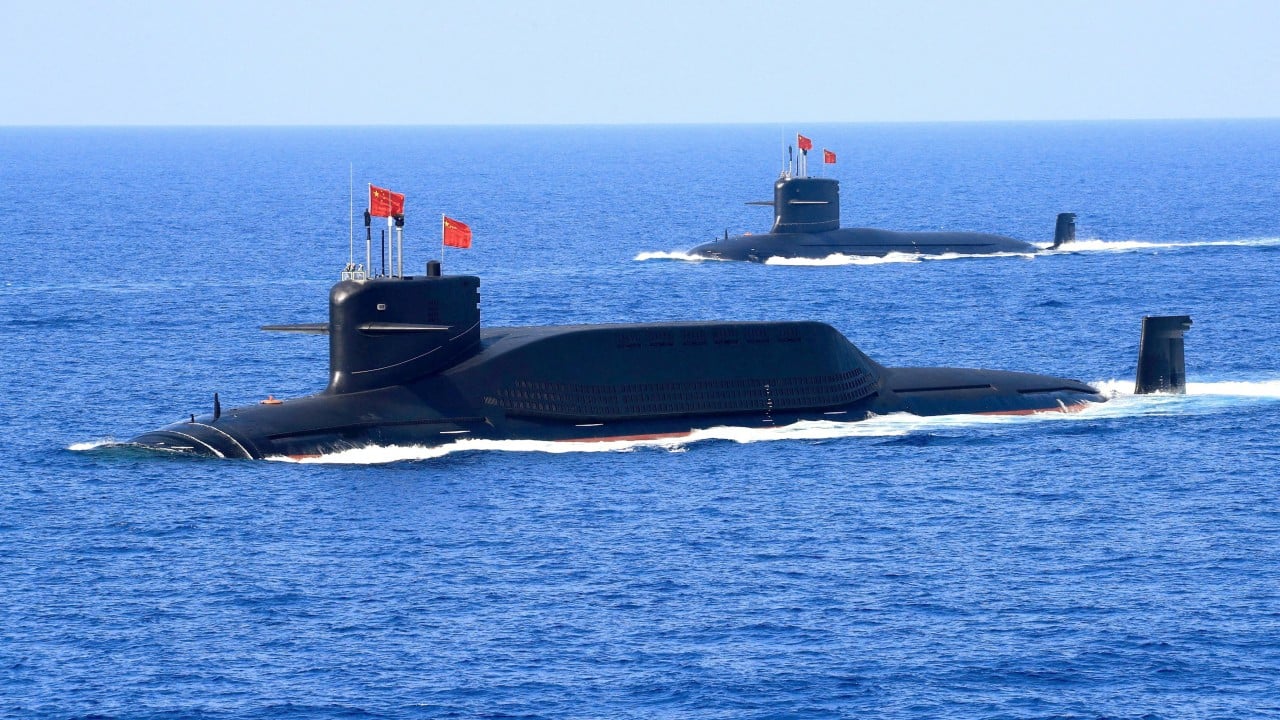
Japan is exploring the development of quantum magnetic sensors for drone use to detect submarines, a growing concern in the Indo-Pacific region as China extends its underwater capabilities. The sensors, which leverage atomic properties to detect minute magnetic field changes, aim to be miniaturized and integrated into low-cost drones operated from warships.
The Japanese defence ministry plans to fund research towards a functional sensor by fiscal 2031. Tokyo's interest in this technology stems from the high costs and staffing challenges associated with traditional anti-submarine warfare, as well as the strategic importance of chokepoints where Chinese submarines must pass. Chinese researchers have already tested similar sensor systems on drones, and Beijing is also constructing an extensive network of underwater sensors, satellites, and listening arrays, often referred to as the "Underwater Great Wall."
This expansion is driven by China's need to protect its growing fleet of nuclear-powered attack submarines and their ability to operate beyond the first island chain. The United States and its allies, including Australia, Britain, and Japan, are also investing in detection and attack systems. They are developing payloads and supporting systems for unmanned underwater vehicles, particularly in anti-submarine warfare.
This intensified competition to detect, track, and neutralize opposing undersea forces reflects a shift in strategic priorities, with both sides now required to hide and hunt simultaneously. The role of artificial intelligence in analyzing sensor data is also gaining importance, as computers can aggregate weak signals to provide meaningful intelligence.
Written by urgent.news from Reuters Business via SCMP's reporting — not their text. Machine-written — may contain errors; check the original before relying on it.