James McNeill Whistler’s Music for the Eyes
A long-awaited Whistler retrospective at Tate Britain makes the case that every brushstroke, color, and omission serves the pursuit of harmony.
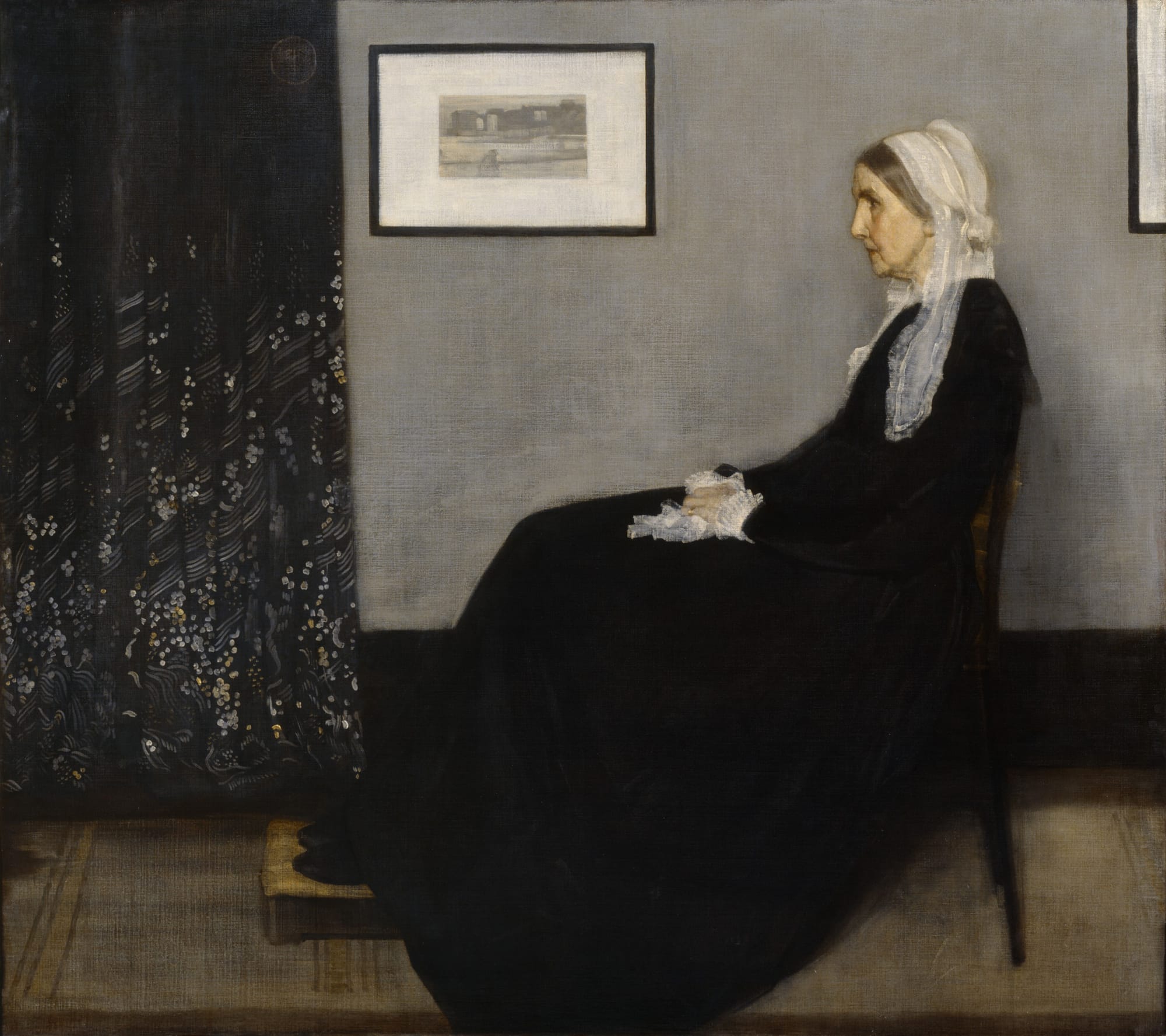
James McNeill Whistler, the enigmatic American-born artist, graces London with a retrospective that celebrates his unique approach to art. Born in 1834, Whistler spent his formative years in St. Petersburg, Russia, before honing his craft in Paris and London. Unlike his contemporaries, Whistler prioritized the aesthetic impact of his work over its representational accuracy, employing a limited color palette to evoke the sublime.
Tate Britain's first major solo exhibition of Whistler's work in three decades delves into his singular technique. Curators Carol Jacobi, Isobel Muir, and James Finch emphasize his individuality through a meticulous analysis of his paintstrokes and a reconstructed studio setting. This exhibition, five years in the making, sheds light on Whistler's meticulous brushwork, revealing the deliberate economy of his application and the subtle nuances that define his art.
Whistler's brushstrokes are a testament to his disciplined approach, with each stroke purposeful and economical. His use of a loaded brush with excess paint spilling at the edges creates a dynamic framing ridge, while his careful removal of pigment leaves only a faint trace. This restraint, coupled with his limited palette, results in a harmonious and visually striking aesthetic.
The exhibition's Nocturnes series, a collection of nighttime river scenes, exemplifies Whistler's mastery of atmospheric mood. These paintings, characterized by their saturated colors and minimalistic compositions, demonstrate the artist's ability to evoke emotion through subtlety and restraint. The quote, "Paint should not be applied thick. It should be like breath on the surface of a plane of glass," encapsulates Whistler's philosophy and serves as a fitting tribute to his lasting impact on the art world.
Written by urgent.news from Hyperallergic's reporting — not their text. Machine-written — may contain errors; check the original before relying on it.