iPhone Duo could be joined by larger and cheaper models in the future — here's what we know
iPhone Duo isn't likely to stay alone for long, and this is what Apple could have planned for the future.
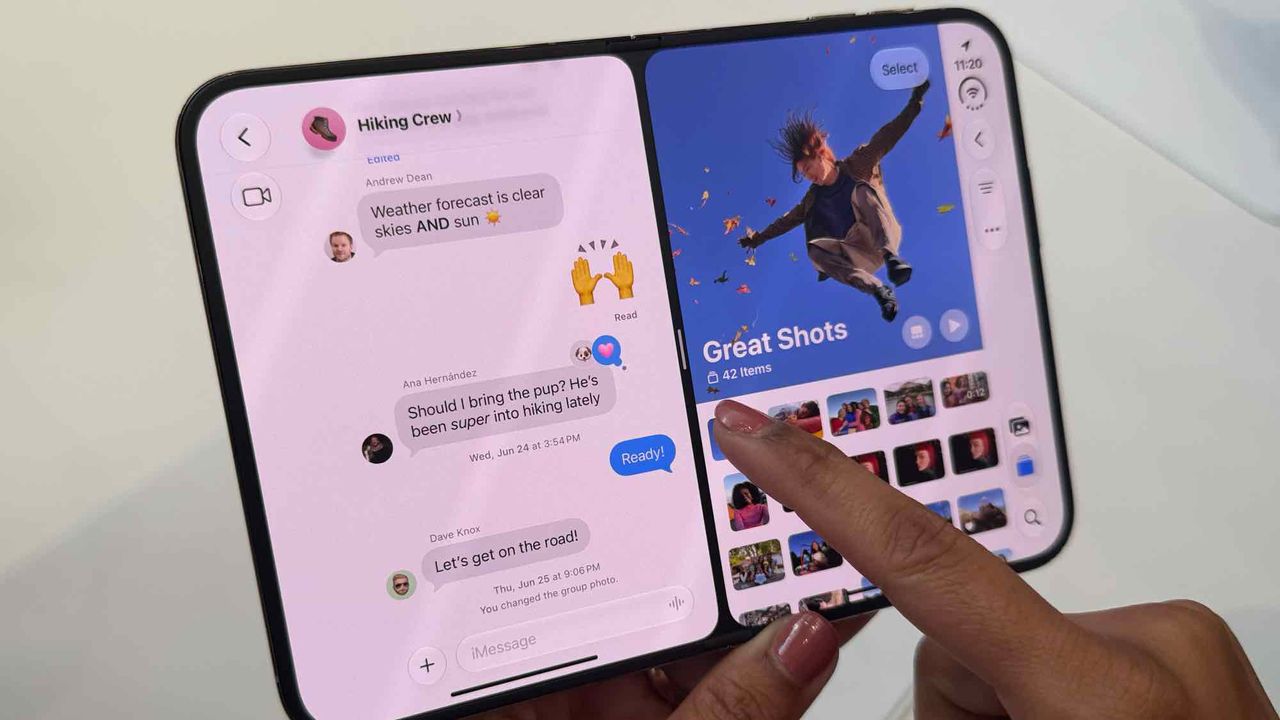
Apple is reportedly planning to expand its foldable iPhone lineup, with multiple larger and potentially cheaper models in the works, according to Bloomberg reporter Mark Gurman. The new devices could include a Duo Max with a larger screen, a smaller model with weaker hardware, or a clamshell design similar to the Samsung Galaxy Z Flip 8.
The Duo name was chosen for its matching three-letter structure with Air and Pro, as well as its versatility for adding suffixes like SE. While it's too early to predict how Apple will develop the lineup, the Duo's positive buzz suggests strong potential for sales. If the foldable lineup continues, the larger model is expected to arrive first.
Other rumored devices include a foldable iPad and a foldable MacBook, though the latter may have been canceled. Apple's decision to produce cheaper foldables appears unlikely, but a clamshell design could still be considered as it would provide a more compact alternative to traditional phones.
Written by urgent.news from Tom's Guide's reporting — not their text. Machine-written — may contain errors; check the original before relying on it.