Incubator shortages, premature births strain Gaza’s hospitals
Israel prevented the entry of items it said could also have military uses, as it accused Hamas of plotting further violence.
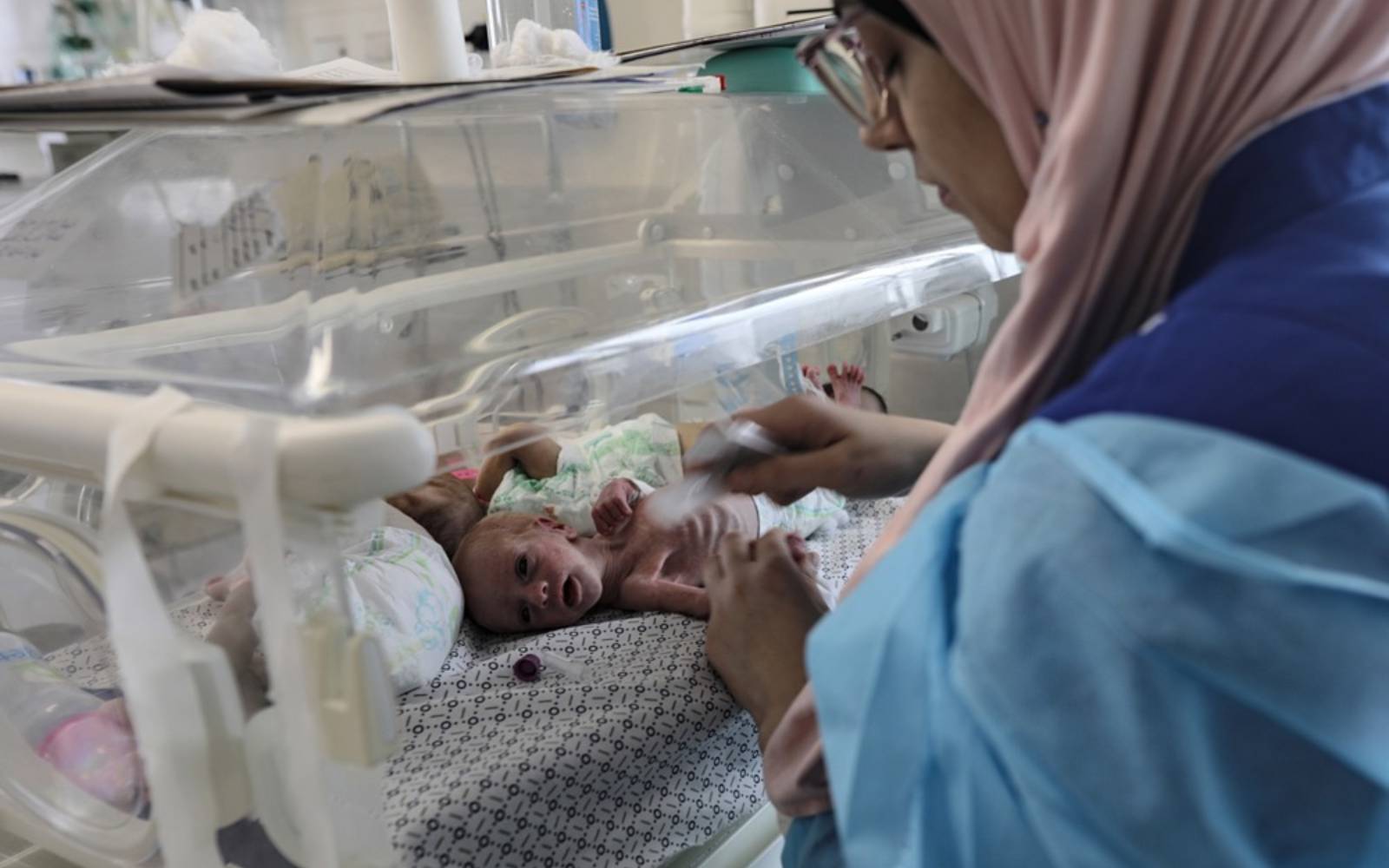
In the war-torn Gaza Strip, newborns face a perilous start to life due to a shortage of incubators and medical supplies. Khan Yunis, a southern city in Gaza, is particularly affected as it struggles with a lack of space and resources for specialized care. Head of the neonatal department at Nasser hospital, Hatem Dhahir, explained that his hospital is running out of incubators and oxygen, leaving premature and underweight babies with no treatment available.
The Israeli blockade on Gaza has further exacerbated the situation by limiting the entry of medical supplies and specialist equipment. In March, the UN humanitarian agency OCHA reported that one in three pregnancies in Gaza were high-risk, with 70% of newborns being premature or underweight. Despite the challenges, UNICEF has been working to provide medical equipment to hospitals in Gaza, supplying 93 incubators to six facilities so far.
However, the ongoing conflict and Israeli restrictions continue to strain Gaza's healthcare system and the lives of its youngest inhabitants.
Written by urgent.news from Free Malaysia Today's reporting — not their text. Machine-written — may contain errors; check the original before relying on it.
Also reported by 3 other outlets
- Incubator shortages, premature births strain Gaza's hospitals al-monitor.com
- Incubator shortages, premature births strain Gaza’s hospitals gulfnews.com
- Incubator shortages, premature births strain Gaza’s hospitals freemalaysiatoday.com