In Delhi University students’ union polls, student housing takes centre stage after hostel collapse
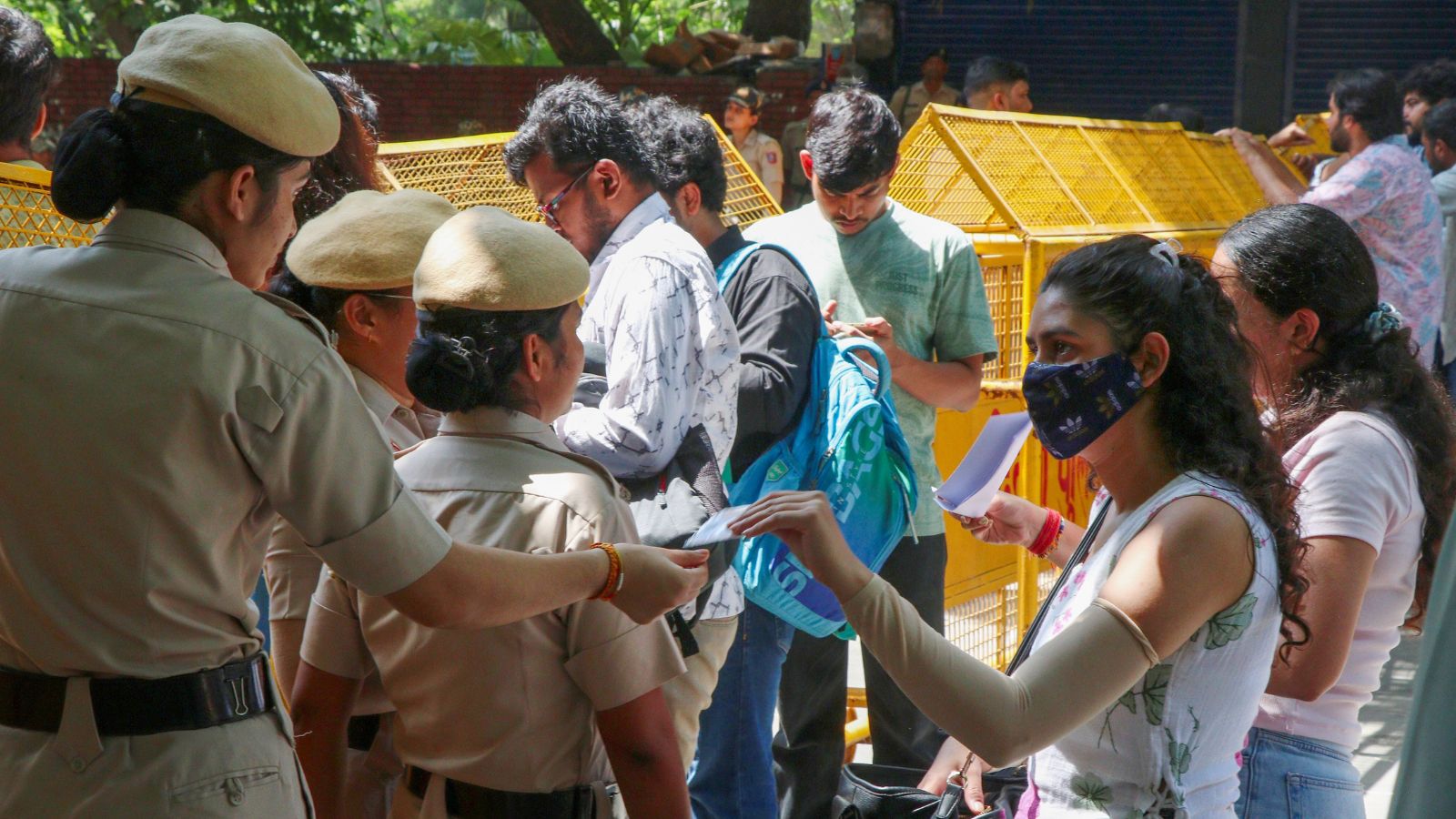
Every monsoon, Delhi's streets succumb to flooding, with water infiltrating basements and foundations, causing walls to buckle and buildings to collapse. Trapped residents suffer, and fatalities are not uncommon. At the Satya Niketan hostel, 50 Delhi University students sought refuge in an unauthorized structure, resulting in seven deaths and many more in critical condition.
The building's precarious state, age, unauthorized status, and location in a densely populated area contributed to the tragedy. As climate change exacerbates weather patterns, leading to flash floods, it is imperative to implement robust safety measures in conjunction with effective civic governance. To achieve this, a comprehensive approach is necessary.
First, a detailed mapping of flood-prone areas, such as Lal Dora, is required, encompassing a thorough examination of building types, sizes, and conditions. Advanced imaging techniques can provide accurate assessments of structural integrity. Due to the short lifespan of modern buildings, regular inspections and potential demolition and reconstruction are essential.
Additionally, building functions must align with their intended purpose, and occupancy permits should mandate minimum floor space per person to prevent overcrowding. Spatial evaluations of surrounding layouts are crucial to ensure adequate natural ground for water absorption and efficient drainage systems. The density of the colony layout and the surrounding environment must be considered to establish safety standards.
Urban governance also plays a vital role, as political parties and municipal agencies must effectively enforce regulations and control infrastructure. However, if enforcement proves unreliable, consolidating control under a single legal entity may be necessary. A case in Bengaluru illustrates that even newly constructed buildings can collapse if builders circumvent regulations.
In the Satya Niketan incident, unauthorized modifications to the basement likely weakened the structure. With Delhi projected to reach 40 million residents by 2030, the city must grapple with accommodating more people in existing spaces without compromising safety and security. The question arises: will the city continue to house people in every available space, regardless of services and protection, or should innovative and radical alternatives be explored?
The writer, a Delhi-based architect, ponders the future of urban planning in the face of these challenges.
Written by urgent.news from The Indian Express's reporting — not their text. Machine-written — may contain errors; check the original before relying on it.
This story
This is one outlet's version. Read the fullest account.
- Life (& death) in Delhi’s Satya Niketan, a student ghetto indianexpress.com