Huawei pitches near-packaged optics as co-packaged costs bite
7.2 Tbps module arrives ahead of standards, with promises of fewer repair headaches
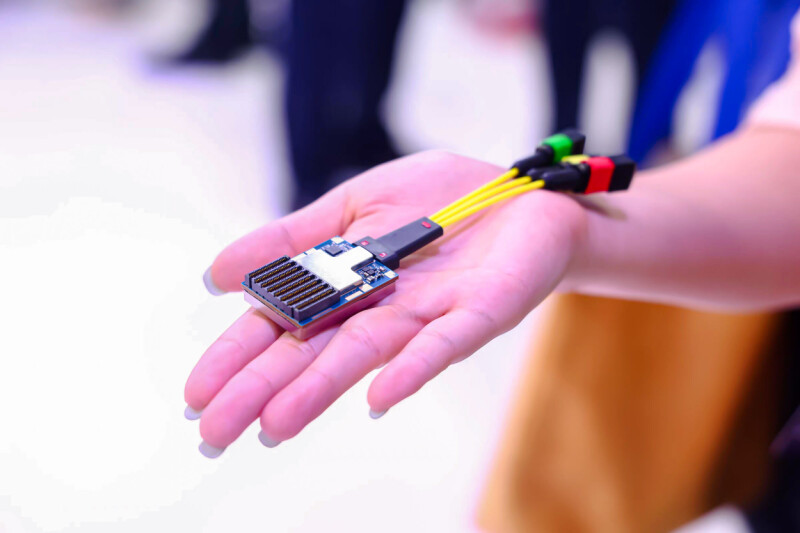
Huawei is pushing for near-packaged optics (NPO) as a more practical and cost-effective alternative to co-packaged optics (CPO) for AI networks. At the China International Optoelectronic Exposition (CIOE) in Shenzhen, Huawei showcased an NPO module with a capacity of 7.2 terabits per second (Tbps), which will be integrated into their next-generation SuperPOD AI systems.
NPO refers to the placement of the optical engine close to the ASIC within a network switch, rather than as a separate module. This placement aims to eliminate the need for a digital signal processor (DSP) and reduce power consumption and heat output, making NPO more suitable for the increasing speeds of AI infrastructure. While CPO offers low latency and power consumption, Huawei argues that NPO is more mature, easier to produce, and easier to maintain.
Dr. Man Jiangwei, director of Huawei's Advanced Opto-Electronics Laboratory, claims that NPO can cut latency by up to 100 nanoseconds and reduce power consumption by around 60 percent. The Optical Internetworking Forum (OIF), which includes Cisco, HPE, Arista, and Nvidia, is working on defining NPO standards. Huawei aims to demonstrate its 7.2 Tbps NPO product and is confident that technical divergences in standardization can be resolved to ensure compatibility between different bandwidth capabilities.
Huawei's NPO is expected to be utilized in their upcoming third generation SuperPOD AI infrastructure platform, which links many Ascend neural processing units (NPUs).
Written by urgent.news from The Register Science's reporting — not their text. Machine-written — may contain errors; check the original before relying on it.
Also reported by 1 other outlet
- Huawei pitches near-packaged optics as co-packaged costs bite theregister.com


