How this summer may have been when climate change felt real
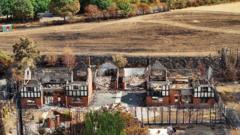
This summer has seen hot weather records broken, drought and major damage from fires.
This summer may have marked a turning point in when climate change began to feel tangible for residents of the Midlands. Climate change has been a reality for years, with floods, dry spells, and heatwaves documented by the author over their 25-year career. However, this year felt different, as if the effects had reached a tipping point.
The winter brought relentless rain, followed by a rapid transition into drought. The scorching heatwaves that followed left the landscape parched, creating ideal conditions for wildfires. The author visited Cannock Chase, where rangers from Staffordshire County Council pointed out the devastation caused by the fires. Dead adders, cracked and burnt eggs of ground-nesting birds, and the presence of ash altering soil chemistry were all visible signs of the impact.
The Met Office identified several issues exacerbated by climate change, such as the increased risk of fires and the expansion of the habitat for pests like midges carrying bluetongue disease. Cases of the disease were confirmed in Staffordshire, Shropshire, Herefordshire, and other surrounding areas, forcing farmers to adapt to new challenges, including keeping animals indoors during high-risk periods or investing in vaccinations.
The small team at Cannock Chase is working to restore the scorched landscape and improve fire breaks, while Severn Trent is taking steps to enhance water supply resources. The author emphasizes that the recognized issues caused by climate change are costing everyone money, and the problems are only expected to escalate as emissions continue. The author concludes that climate change is no longer a distant concept but a reality that requires adaptation, urging readers to remain vigilant as climate change continues to evolve.
Written by urgent.news from BBC Science's reporting — not their text. Machine-written — may contain errors; check the original before relying on it.