How Malaysia is shielding lower-income households from the global cost squeeze
KUALA LUMPUR, Sept 14 — When global supply chains come under strain, it is almost always the lowest-income househo...
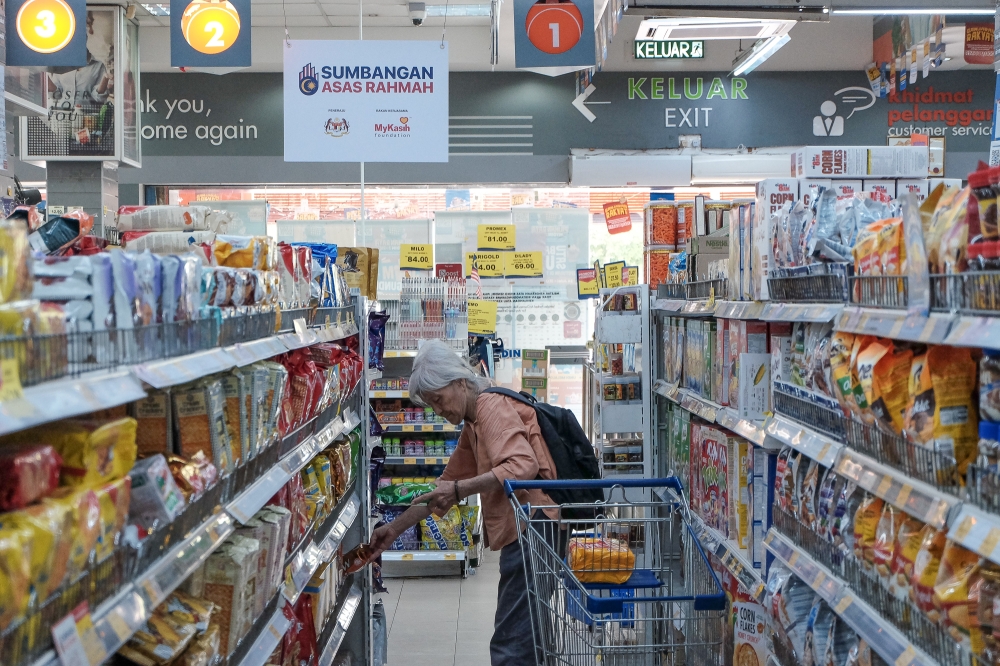
Malaysia has been working to protect lower-income families from the global cost increase brought on by the disruptions in the West Asian conflict and its consequences on energy and shipping routes. This is due to the fact that low-income households typically spend a larger portion of their income on food, fuel, and utilities, leaving them with less flexibility when global costs rise.
A rise in the price of imported fertilizers, crude oil, or feedstock can lead to higher costs for transport, petrochemicals, fertilizers, manufacturing, construction, and eventually household expenses.
To mitigate these impacts, the Malaysian government has implemented targeted subsidies, price controls, and direct assistance. These include schemes such as Budi 95 and Budi Diesel, the Subsidised Diesel Control System (SKDS), support for e-hailing drivers, fishermen, smallholders, and agricultural producers. Retail-level measures like anti-profiteering enforcement and the Jualan Rahmah Madani and Jualan Agro Madani initiatives have also been introduced.
While independent economists credit these measures with maintaining stable costs, they also point out gaps in targeting. Consumer advocates appreciate the temporary relief provided, particularly the commitment to continue absorbing fuel subsidy costs. However, they emphasize that other factors, such as food prices, rent, energy bills, and wages, continue to put pressure on households.
Officials acknowledge that while the government's intervention has helped soften the blow of the global supply crisis, it is not a cure-all. They warn that continued global pressure will require ongoing vigilance from both the public and private sectors. Future policy will focus on resilience, targeted assistance, fiscal discipline, and strengthening buffers across various sectors, including energy, food security, logistics, and industrial supply chains.
Malaysians are encouraged to adapt their consumption habits, use resources efficiently, and make deliberate spending choices to help maintain national resilience amid these structural disruptions.
Written by urgent.news from Malay Mail's reporting — not their text. Machine-written — may contain errors; check the original before relying on it.