How ketamine reshapes brain activity in older adults
Researchers have identified time-specific patterns of brain activity following ketamine treatment in older adults with treatment-resistant depression.
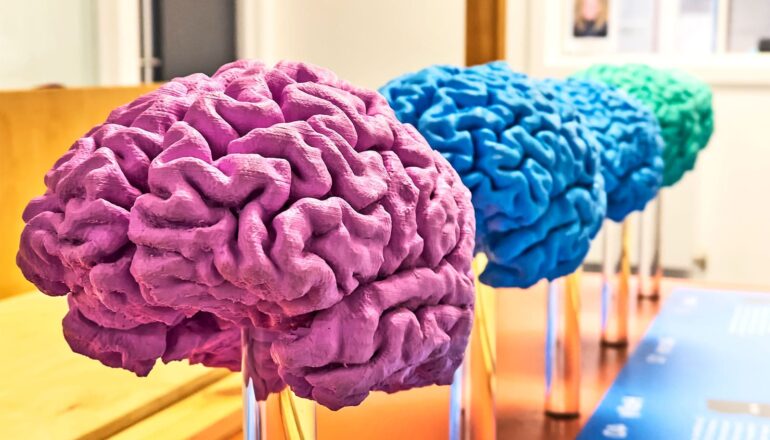
A recent study published in Translational Psychiatry sheds light on how ketamine alters brain activity in older adults with treatment-resistant depression. Led by researchers at Texas A&M University, the findings could help identify potential biological markers of ketamine's antidepressant effects and explain why responses vary among patients.
Ketamine, a rapid-acting treatment for severe depression, is increasingly used in older adults, but its safety and efficacy in aging populations have been questioned. The Texas A&M Experimental Psychopharmacology of Mood and Anxiety Disorders Lab (EPMAD Lab), led by Professor Sanjay Mathew, has been investigating how the brain responds to ketamine in veterans over 55.
Dr. Nicholas Murphy, a research associate professor in the lab, likens ketamine's effects to opening a floodgate, allowing communication to flow through the brain and enhancing flexibility. However, predicting clinical responses to ketamine is more closely linked to the brain's malleability than the drug's initial impact. The study focused on understanding information organization and changes in the brain after ketamine use in older adults.
Researchers collaborated with Baylor College of Medicine and the University of the Balearic Islands to analyze brain activity over hours and days following a single infusion. Using high-order interactions, a method that examines how information is organized across multiple EEG signals, the researchers found that ketamine did not produce a single, stable pattern of brain activity.
Instead, the organization of information shifted substantially over time, with distinct patterns appearing at various intervals post-treatment. Greater increases in brain-wide information sharing 24 hours after treatment were associated with improved depressive symptoms 7 days later. This research, building on previous findings that ketamine is both feasible and effective in older adults, identifies brain-signal changes that could serve as potential biomarkers of ketamine's antidepressant effects in this demographic.
The study also highlights the underrepresentation of older adults in clinical research, emphasizing the need to explore how ketamine affects the aging brain.
Written by urgent.news from Futurity's reporting — not their text. Machine-written — may contain errors; check the original before relying on it.