How chronic illness can raise the risk of severe dengue
People with diabetes, hypertension and other conditions may face higher risk of severe dengue and should not wait for symptoms to worsen before seeking help.
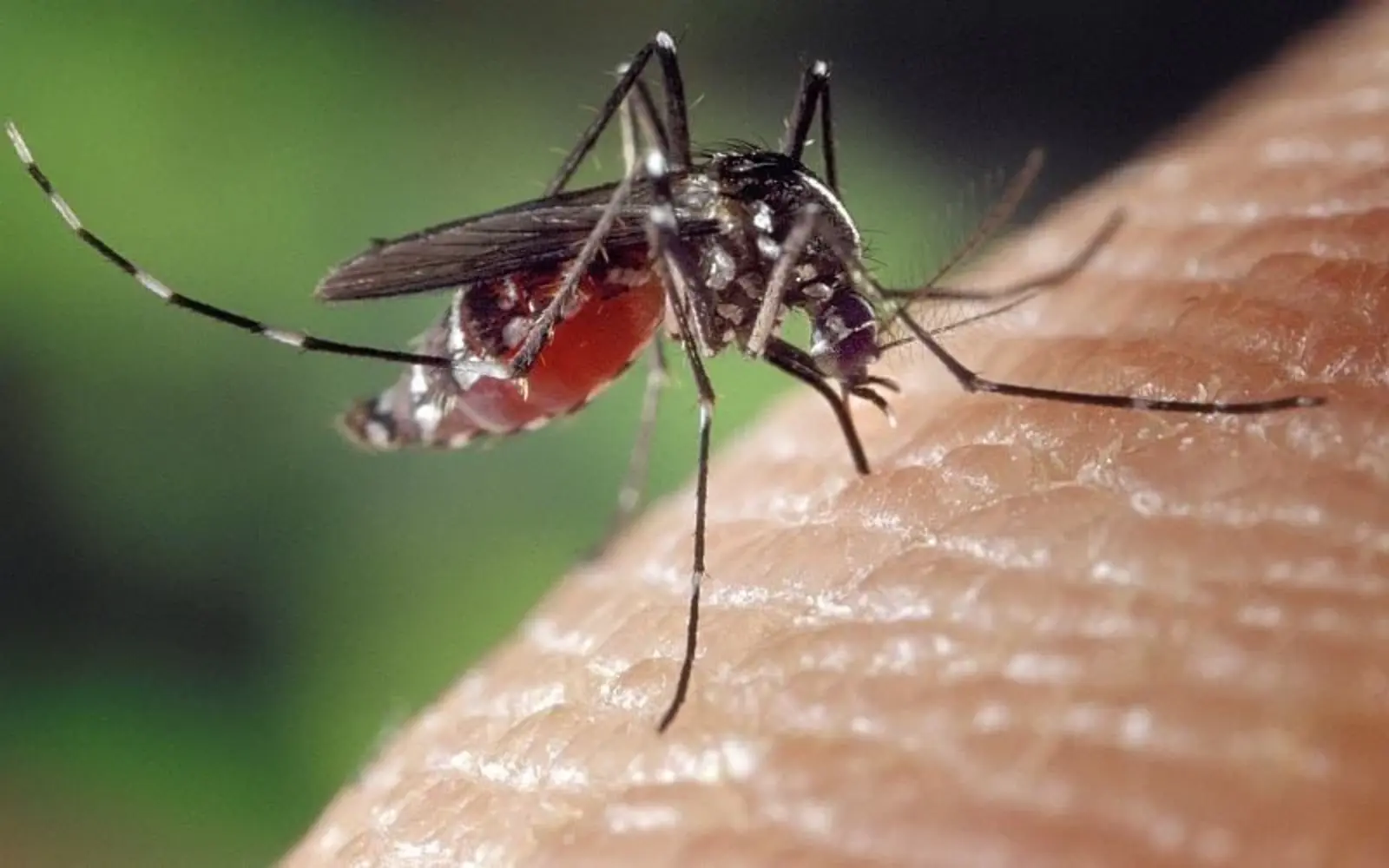
Grace Ooi experienced a severe second bout of dengue after previously contracting the illness in her teenage years. She was hospitalized, required a blood transfusion, and spent time in intensive care. This incident highlights a lesser-known risk: chronic illnesses can increase the likelihood of severe dengue, and a second infection with a different virus type can also heighten the risk.
Dr. Ganasan Chelladurai, a consultant emergency physician, noted that older adults with conditions like obesity and diabetes often require more intensive management when they develop dengue. Patients may initially present with fever and body aches, but complications such as vomiting, severe abdominal pain, bleeding, and breathing difficulties can arise as the fever subsides. These signs should not be ignored, as they can rapidly lead to dangerous conditions like low blood pressure.
Several studies, including one from northern Vietnam and another from Brazil, have found that adults with chronic illnesses like diabetes, hypertension, heart, or kidney disease, and obesity are about twice as likely to develop severe dengue compared to those without such conditions. However, this does not mean that everyone with a chronic illness will experience severe dengue, nor that healthy individuals are immune to complications.
The case of a 50-year-old man with diabetes and obesity illustrates the potential severity of the disease. Despite his risk factors, he continued working through his illness and sought emergency care only after a critical turning point—vomiting blood. Despite receiving treatment, he tragically died. Dr. Ganasan emphasized that dengue's consequences can extend beyond the individual patient, affecting their families and communities.
Prevention remains crucial in combating dengue. Measures such as removing stagnant water, using repellents, and early medical attention when symptoms appear can significantly reduce the risk of severe disease. Vaccination may also offer additional protection for some individuals. Dr. Ganasan stressed that dengue impacts not only the patient but also their families and the broader community, underscoring the importance of collective prevention efforts.
Written by urgent.news from Free Malaysia Today's reporting — not their text. Machine-written — may contain errors; check the original before relying on it.
Also reported by 1 other outlet
- How chronic illness can raise the risk of severe dengue freemalaysiatoday.com