Highest paid world leader to get salary increase of $1 million
Singapore’s government says it will raise the annual salaries of its ministers and other office holders, including its prime minister who is the highest paid political leader in the world. Lawrence Wong will see an increase of 1.4 million Singapore dollars ($1.1m; £818,000) in his annual pay package. He has said he will donate this pay increase to charity […]
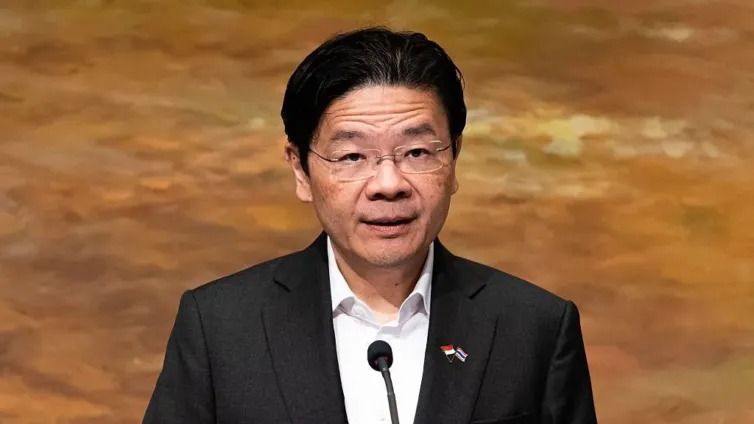
Singapore's government plans to increase the annual salaries of its ministers and other high-ranking officials, including Prime Minister Lawrence Wong, by a substantial $1 million. Wong, currently the world's highest-paid political leader, will see his pay package rise from S$3.6 million to S$3.6 million (about $2.8 million).
The increase is intended to attract top talent to politics, with the government previously asserting that high ministerial salaries deter corruption. However, the move has drawn criticism in Singapore, where there are concerns about job security and the rising cost of living. Even before the salary hike, Wong was the highest-paid world leader, earning S$2.2 million annually.
Next in the global ranking are Hong Kong's Chief Executive John Lee, who earns around $719,000, and Switzerland's President Guy Parmelin with $606,000. In comparison, US President Donald Trump earns $400,000 per year, while British Prime Minister Andy Burnham makes $230,000.
Wong acknowledged that Singapore ministers' salaries attracted scrutiny due to their high levels, which were much higher than most citizens' earnings. The median monthly income in Singapore is S$5,775. However, Wong argued that convincing business leaders and top civil servants to enter politics is challenging. While the government cannot match the earnings of some individuals, they do not wish to make the financial hurdle too high for them to leave their careers and join politics, he explained.
The new salary scheme will raise the base pay package of ministers from around S$1.1 million to approximately S$1.2 million. However, Wong expects most ministers to earn more than that, potentially reaching S$1.35 million by the end of the current government term, as pay increases will be based on performance indicators like unemployment rates, income growth, and GDP growth.
The issue of high ministerial salaries has been a contentious topic for the ruling People’s Action Party (PAP), which has been in power since Singapore's independence. In the 2011 general election, the PAP saw its lowest vote share in decades, partly due to voters' dissatisfaction with ministers' pay and immigration policies. In 2012, the government reduced ministers' salaries.
Wong's predecessor, Lee Hsien Loong, had previously pledged to donate his salary increase to charity since 2007. The government has long touted its corruption-free system, attributing Singapore's high ranking on Transparency International's Corruption Perceptions Index to the ministerial pay system, which reduces the temptation for ministers to accept bribes.
Despite this, many online critics deemed the pay raise "tone deaf" given current concerns over retrenchments, job opportunities for fresh graduates, and inflation.
Written by urgent.news from Adom Online's reporting — not their text. Machine-written — may contain errors; check the original before relying on it.