Ghana must fix its seed system to secure food security and climate resilience
Ghana’s food security challenge cannot be solved without fixing one of the most important foundations of agriculture: seed. Seed is the first input in crop production. The post Ghana must fix its seed system to secure food security and climate resilience appeared first on Ghana Business News .
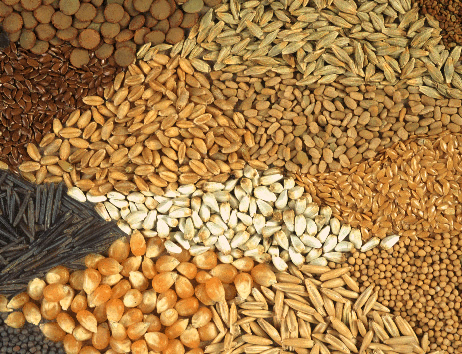
Ghana's agricultural future hinges on fixing its seed system, which is crucial for securing food security and climate resilience. Quality seed is the foundation of successful crop production, enabling farmers to achieve higher yields, withstand climate stresses, minimize crop losses, and boost incomes. However, many farmers struggle with access to reliable, affordable, and well-adapted seed varieties.
The seed access issue extends beyond mere availability; it encompasses timely delivery, affordability, and understanding the differences between certified seed, grain, and recycled seed. Rural isolation, poor infrastructure, lack of credit, and limited knowledge all contribute to this problem. Women and young farmers face additional barriers due to restricted access to land, finance, and input markets.
Moreover, localized insecurity and cross-border movement can disrupt seed distribution in certain regions. To tackle these challenges, Ghana must overhaul its seed system. The Plants and Fertilizer Act, 2010 (Act 803), provides the legal framework necessary for seed policy formulation, monitoring, and cultivation of climate-resilient varieties.
The Seed (Certification and Standards) Regulations, 2018 (L.I. 2363), strengthen certification and standards, safeguard farmers from inferior seed, and promote a robust seed trade. However, the real challenge lies in translating these legal provisions into an effective seed delivery system. This requires seamless cooperation among research institutions, regulatory bodies, seed producers, agro-dealers, extension workers, and farmers.
The system should begin with the development of improved crop varieties, followed by rigorous testing and release procedures. Successful multiplication of breeder and foundation seed, effective supervision by private seed companies, and timely seed processing, packaging, and delivery to farmers before the planting season are also vital.
A significant bottleneck in this chain is the limited availability of breeder and foundation seed, which are essential for multiplying certified seed. Weak coordination among various actors in the seed sector also hampers progress. By addressing these obstacles, Ghana can establish a comprehensive seed system that ensures farmers have the necessary resources to cultivate resilient crops, adapt to climate change, and improve their livelihoods.
Written by urgent.news from Ghana Business News's reporting — not their text. Machine-written — may contain errors; check the original before relying on it.