Gas Prices Could Cost Republicans the Midterms
Many voters understand that the president isn’t directly responsible for the price of oil. Except this time, he is.
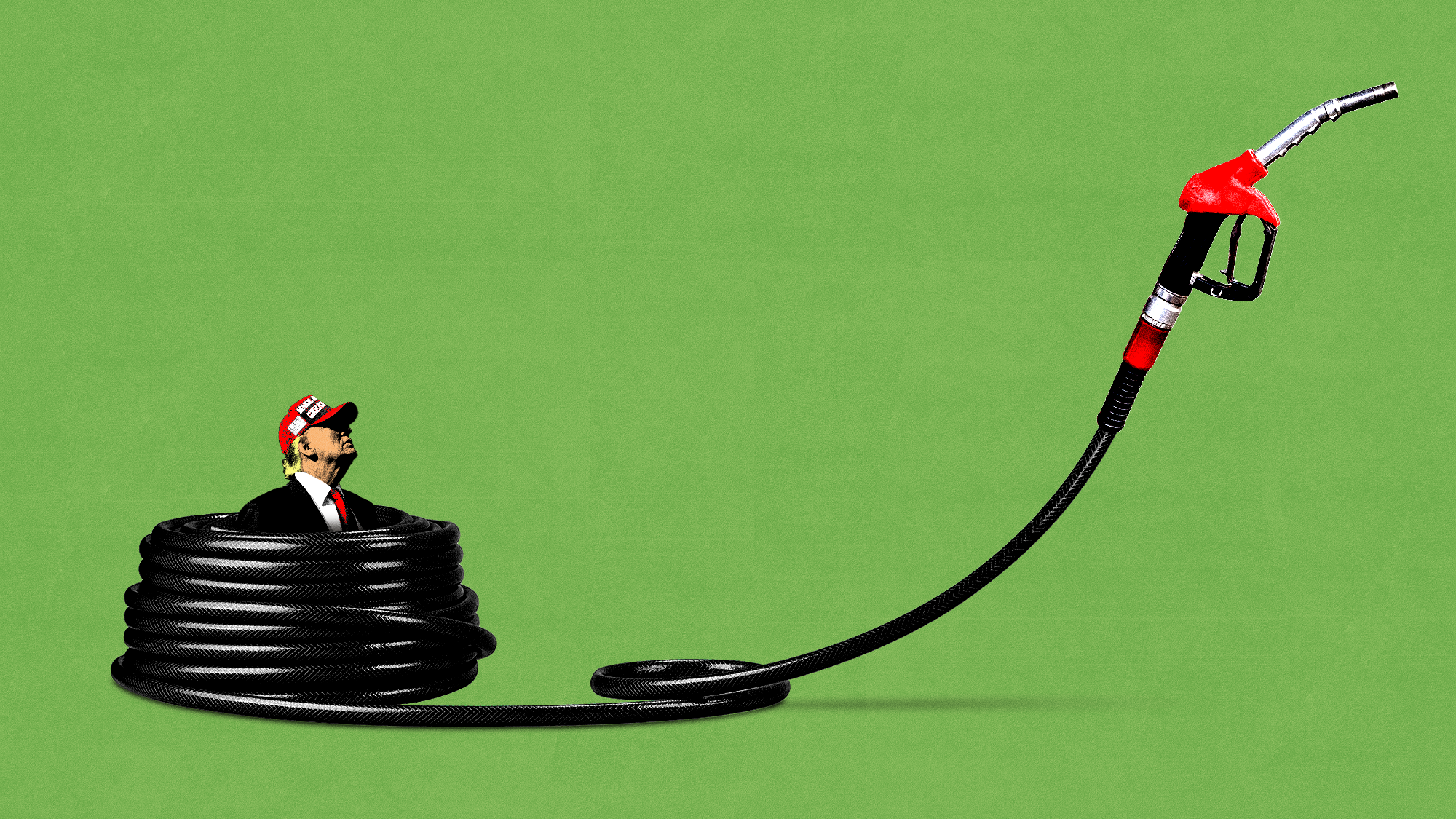
Gas prices have surged by 37 percent in the past year, hitting a record high as the Iran war continues. Home-heating oil costs have increased by 52 percent and diesel prices have risen by 69 percent, with a Saudi oil pipeline that transports 4 percent of the global oil supply recently being bombed. Despite these alarming figures, President Donald Trump remains unconcerned, claiming that the U.S. controls the Strait of Hormuz and asserting that gas prices will soon decline after the election.
However, this prediction may be too late to benefit Trump, as the timing coincides with the midterms.
Political scientists believe that gas prices significantly influence voter behavior, even though many voters may not realize the president's lack of direct control over oil prices. Right now, the only reason the U.S. is experiencing inflation is due to the oil shock caused by Trump's war with Iran. As a result, Democrats' chances of taking back the House and Senate in November could hinge on whether gas prices drop before Election Day.
Voters are highly sensitive to inflation, especially concerning gas prices, which are difficult to ignore. Rural and exurban voters, who typically support Republicans, have the most to lose due to longer commutes and are more likely to hold the president accountable for gas price increases.
In competitive districts, Republicans might distance themselves from Trump to avoid a backlash stemming from gas price concerns. However, Trump has made it challenging for Republican candidates to distance themselves from him. At a recent midterm convention, Trump urged supporters to pledge their loyalty to him as the "greatest president in the history of the United States."
Several Republican Senate nominees in swing states, including North Carolina, Georgia, Michigan, Ohio, and Texas, attended the event, signaling their alignment with Trump. As a result, even if voters blame the president for high gas prices, they may not be entirely clear on whether their local House or Senate candidate shares the same allegiance to Trump.
Written by urgent.news from The Atlantic's reporting — not their text. Machine-written — may contain errors; check the original before relying on it.